
Most ebook files are in PDF format, so you can easily read them using various software such as Foxit Reader or directly on the Google Chrome browser.
Some ebook files are released by publishers in other formats such as .awz, .mobi, .epub, .fb2, etc. You may need to install specific software to read these formats on mobile/PC, such as Calibre.
Please read the tutorial at this link. https://ebooknice.com/page/post?id=faq
We offer FREE conversion to the popular formats you request; however, this may take some time. Therefore, right after payment, please email us, and we will try to provide the service as quickly as possible.
For some exceptional file formats or broken links (if any), please refrain from opening any disputes. Instead, email us first, and we will try to assist within a maximum of 6 hours.
EbookNice Team
Status:
Available4.5
23 reviewsINSTANT NEW YORK TIMES BESTSELLER
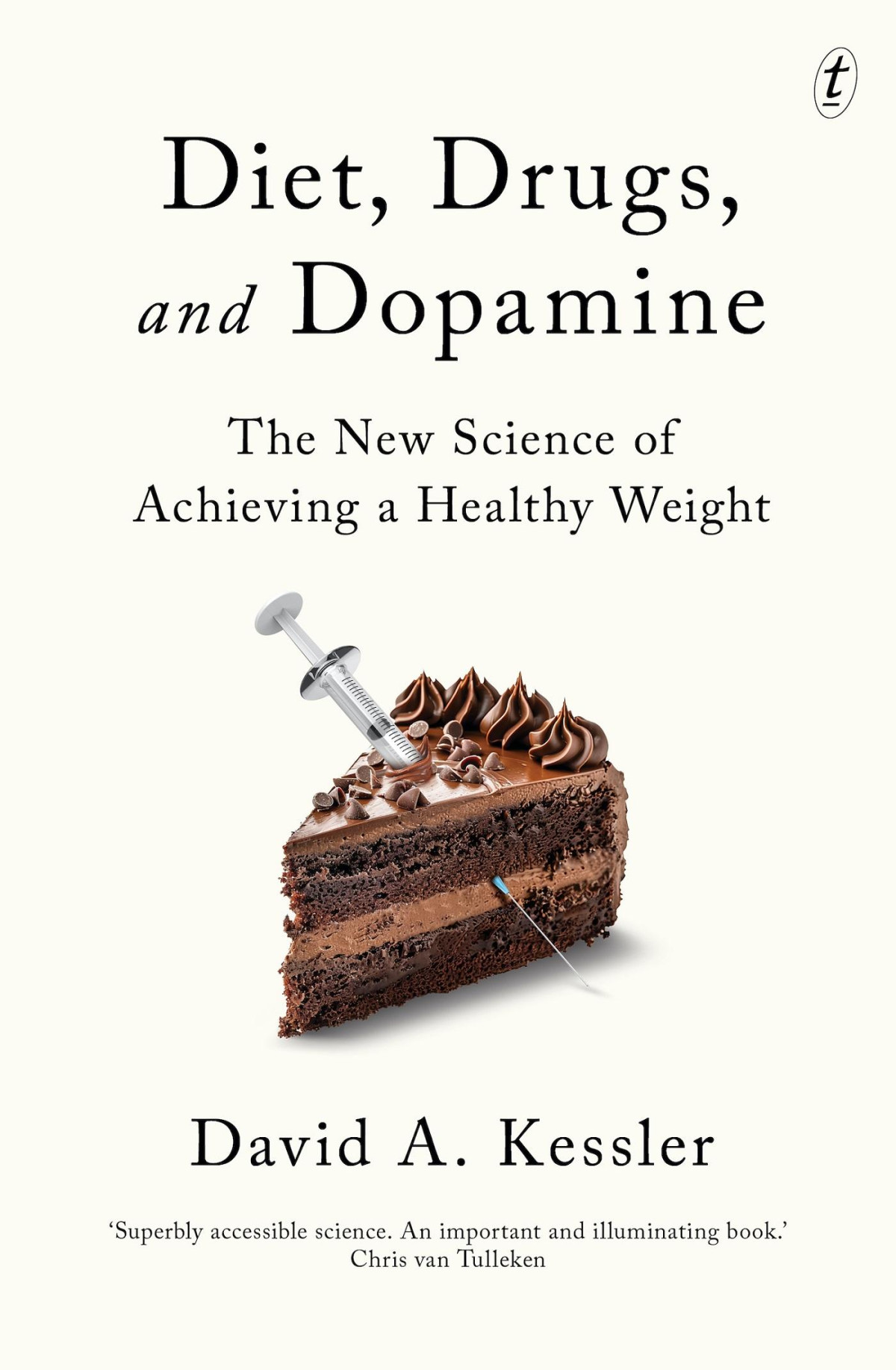
From the New York Times bestselling author of The End of Overeating comes an illuminating understanding of body weight, including the promise—and peril —of the latest weight loss drugs.
The struggle is universal: we work hard to lose weight, only to find that it slowly creeps back. In America, body weight has become a pain point shrouded in self-recrimination and shame, not to mention bias from the medical community. For many, this battle not only takes a mental toll but also becomes a physical threat: three-quarters of American adults struggle with weight-related health conditions, including high blood pressure, heart disease, and diabetes. We know that diets don’t work, and yet we also know that excess weight starves us of years and quality of life. Where do we go from here?
In Diet, Drugs, and Dopamine , former FDA Commissioner Dr. David A. Kessler unpacks the mystery of weight in the most comprehensive work to date on this topic, giving readers the power to dramatically improve their health. Kessler, who has himself struggled with weight, suggests the new class of GLP-1 weight loss drugs have provided a breakthrough: they have radically altered our understanding of weight loss. They make lasting change possible, but they also have real disadvantages and must be considered as part of a comprehensive approach together with nutrition, behavior, and physical activity.
Critical to this new perspective is the insight that weight-loss drugs act on the part of the brain that is responsible for cravings. In essence, the drugs tamp down the addictive circuits that overwhelm rational decision-making and quiet the “food noise” that distracts us. Identifying these mechanisms allows us to develop a strategy for effective long-term weight loss, and that begins with naming the elephant in the room: ultraformulated foods are addictive. Losing weight is a process of treating addiction.
In this landmark book, one of the nation’s leading public healt
4.7
9 reviews
4.7
36 reviews
5.0
19 reviews
4.4
39 reviews
4.6
14 reviews
4.5
9 reviews
4.4
14 reviews
5.0
22 reviews