
Most ebook files are in PDF format, so you can easily read them using various software such as Foxit Reader or directly on the Google Chrome browser.
Some ebook files are released by publishers in other formats such as .awz, .mobi, .epub, .fb2, etc. You may need to install specific software to read these formats on mobile/PC, such as Calibre.
Please read the tutorial at this link. https://ebooknice.com/page/post?id=faq
We offer FREE conversion to the popular formats you request; however, this may take some time. Therefore, right after payment, please email us, and we will try to provide the service as quickly as possible.
For some exceptional file formats or broken links (if any), please refrain from opening any disputes. Instead, email us first, and we will try to assist within a maximum of 6 hours.
EbookNice Team
Status:
Available4.6
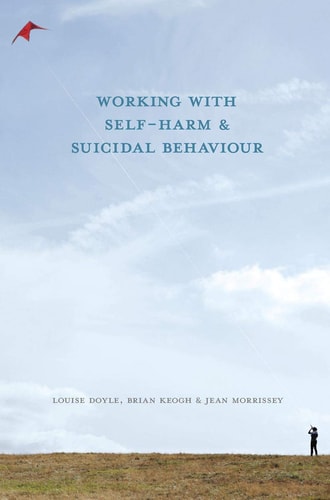
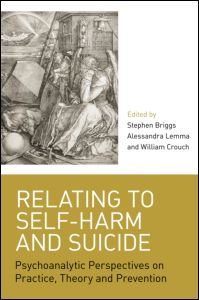
12 reviewsThis book comprises of 10 chapters which offer key information about suicide and self-harm from a range of perspectives. In Chapter 1, readers will be introduced to the main theories that attempt to explain suicide and self-harm. Chapter 2 examines stigma and suicide and self-harm. Chapter 3 focuses on risk and protective factors for self-harm and suicidal behaviour.
Chapter 4 looks at each stage of life and discusses the specific issues that influence patterns of suicide and self-harm in childhood, adolescence, adulthood and older age. Chapter 5 examines the nature of selfharm and addresses some of the issues involved from the perspective of those who are harming themselves, as well as the workers and helpers working in voluntary and community settings. Chapter 6 examines the verbal and non-verbal communication skills and interventions that are most relevant to undertaking a risk assessment and illustrates how each skill can be used in practice.
Chapter 7 examines the role of self-care and its use in a work/helping setting. Chapter 8 looks at national and international prevention and reduction initiatives that are in place to reduce suicide and selfharm. Chapter 9 looks at the area of postvention and how we can assist those who are bereaved following the death of a loved one by suicide. Finally, Chapter 10 looks at the issue of self-harm and suicide in three specific locations: prisons, school and emergency departments.
The book is aimed at not only professionals but those working in these sectors who do not have a background in mental health and do not have an in-depth understanding of suicide and self-harm.
4.4
22 reviews
4.9
34 reviews
4.3
26 reviews
4.5
5 reviews
4.8
9 reviews
4.7
18 reviews
4.7
41 reviews
4.8
37 reviews