
Most ebook files are in PDF format, so you can easily read them using various software such as Foxit Reader or directly on the Google Chrome browser.
Some ebook files are released by publishers in other formats such as .awz, .mobi, .epub, .fb2, etc. You may need to install specific software to read these formats on mobile/PC, such as Calibre.
Please read the tutorial at this link. https://ebooknice.com/page/post?id=faq
We offer FREE conversion to the popular formats you request; however, this may take some time. Therefore, right after payment, please email us, and we will try to provide the service as quickly as possible.
For some exceptional file formats or broken links (if any), please refrain from opening any disputes. Instead, email us first, and we will try to assist within a maximum of 6 hours.
EbookNice Team
Status:
Available4.7
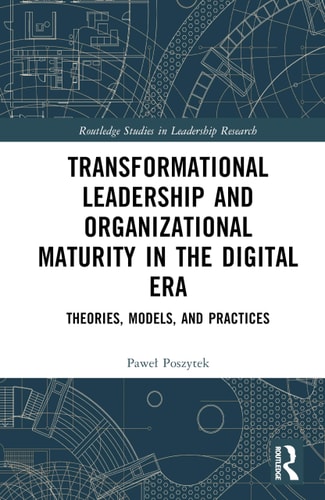
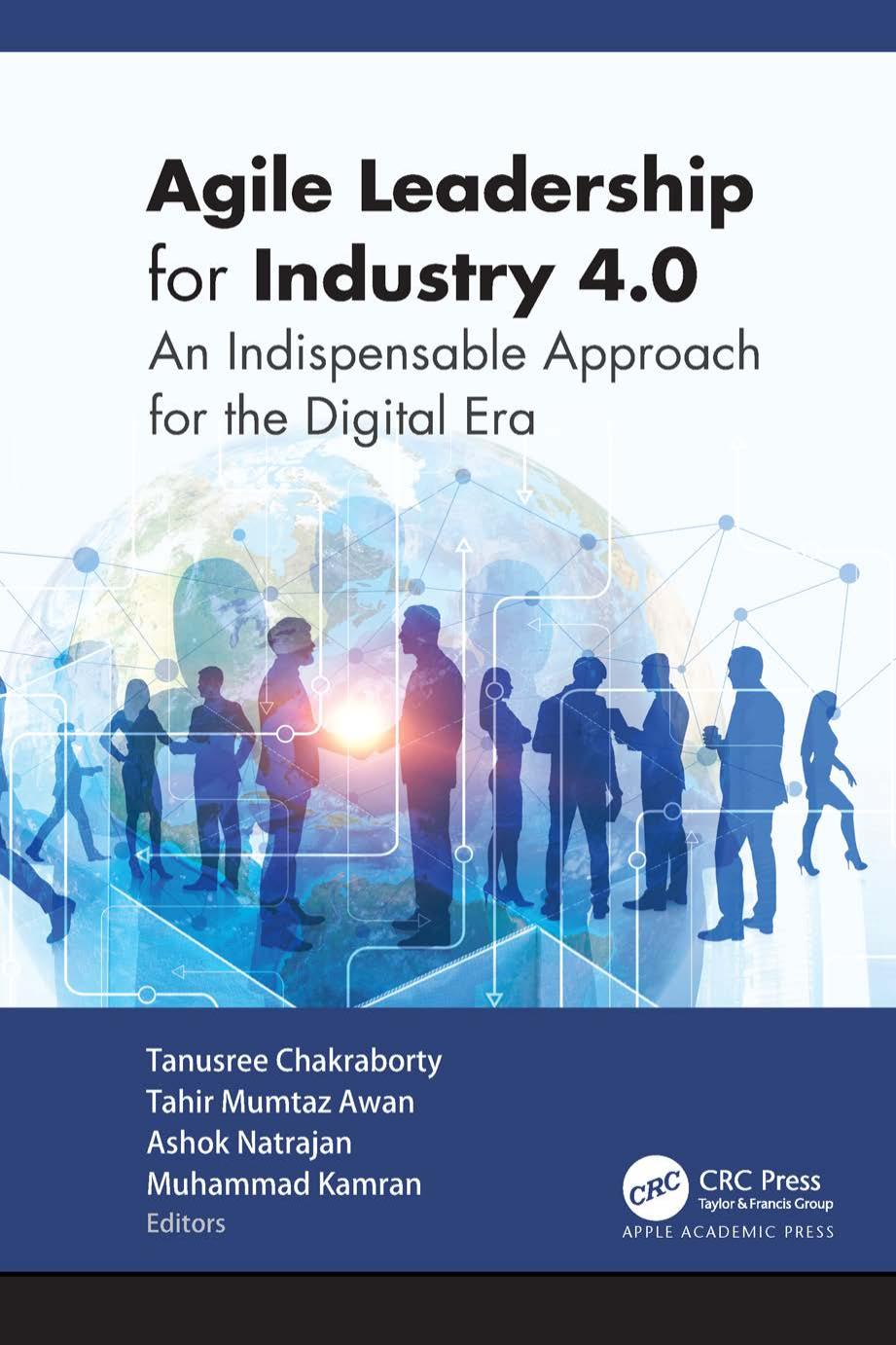
29 reviewsThis work proposes both a theoretical framework and a practical approach to capturing the contemporary landscape of socio-economic transformation, with a particular focus on leadership. It introduces the author’s original model of transformational leadership, applicable at both the individual and organizational levels. The research models can serve as self-assessment tools for individuals and organizations seeking to align their leadership practices with externally validated measures. These tools aim to evaluate the extent to which leadership practices are truly transformational. In addition, they provide insights into digital, transformational, and organizational maturity, defined as the capacity to lead effectively in dynamic and rapidly evolving social and institutional environments. The book offers a comprehensive overview of contemporary scientific perspectives on leadership, guiding readers through the diversity of existing theories and frameworks. It also addresses the conceptual ambiguities and terminological inconsistencies that often hinder a clear understanding of leadership as a construct. The central argument of the book is that transformational leadership, underpinned by a high degree of organizational maturity, represents the most viable strategy for successfully navigating the ongoing socio-economic transformations driven by technological innovation.
DOI: 10.4324/9781003662730
4.3
37 reviews
4.7
33 reviews
4.6
14 reviews
4.3
36 reviews
5.0
10 reviews