
Most ebook files are in PDF format, so you can easily read them using various software such as Foxit Reader or directly on the Google Chrome browser.
Some ebook files are released by publishers in other formats such as .awz, .mobi, .epub, .fb2, etc. You may need to install specific software to read these formats on mobile/PC, such as Calibre.
Please read the tutorial at this link. https://ebooknice.com/page/post?id=faq
We offer FREE conversion to the popular formats you request; however, this may take some time. Therefore, right after payment, please email us, and we will try to provide the service as quickly as possible.
For some exceptional file formats or broken links (if any), please refrain from opening any disputes. Instead, email us first, and we will try to assist within a maximum of 6 hours.
EbookNice Team
Status:
Available4.7
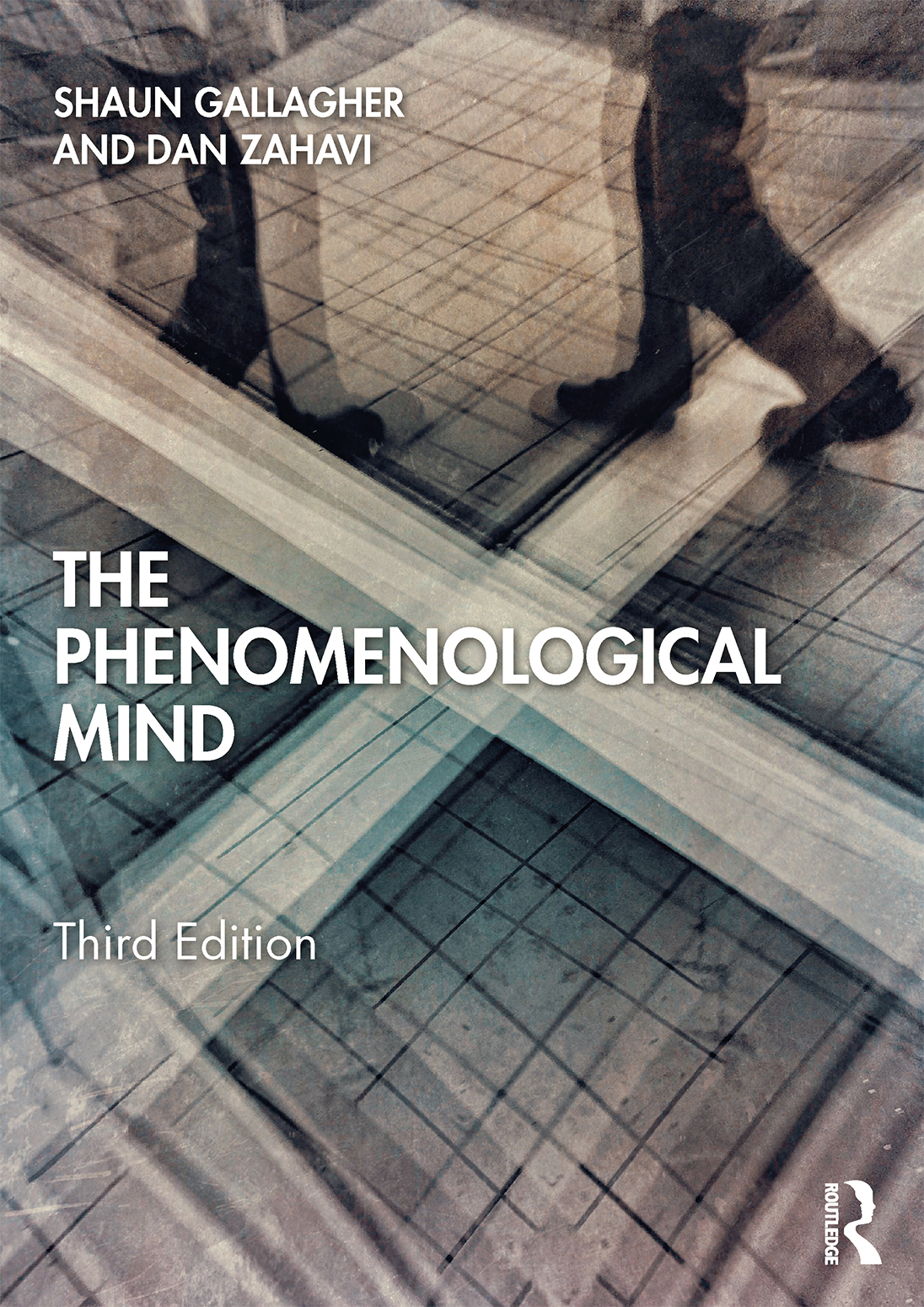
41 reviewsThe Phenomenological Mind, Third Edition introduces fundamental questions about the mind from the perspective of phenomenology. One of the outstanding books in the field, now translated into eight languages, this highly regarded exploration of phenomenology from a topic-driven standpoint examines the following key questions and issues:
This third edition has been revised and updated throughout. The chapter on phenomenological methodologies has been significantly expanded to cover qualitative research, and there are new sections discussing important, recent research on topics such as critical phenomenology, imagination, social cognition, race and gender, collective intentionality, and selfhood.
Also included are helpful features, such as chapter summaries, guides to further reading, and boxed explanations of specialized topics, making The Phenomenological Mind, Third Edition anideal introduction to key concepts in phenomenology, cognitive science, and philosophy of mind.
Review
Praise for previous editions:
A CHOICE Outstanding Academic Title, 2012
'In the second edition of The Phenomenological Mind, Gallagher and Zahavi offer a robust, exemplary account of how the phenomenological tradition (as developed by Husserl, Heidegger, Sartre, Merleau-Ponty, and others) stands as an important resource for research in contemporary philosophy of mind and cognitive science. ...Skillfully integrating textual analysis, empirical data, and phenomenological narrative, the authors offer compelling arguments that rupture disciplinary boundaries while inviting future dialogue... Summing Up: Highly recommended.' - CHOICE
'Though Gallagher and Zahavi call their book an introduction, it is far more than an introduction. It is the most compr

4.6
33 reviews
5.0
5 reviews
4.5
7 reviews
4.9
12 reviews
5.0
29 reviews

4.3
35 reviews
5.0
15 reviews
5.0
14 reviews