
Most ebook files are in PDF format, so you can easily read them using various software such as Foxit Reader or directly on the Google Chrome browser.
Some ebook files are released by publishers in other formats such as .awz, .mobi, .epub, .fb2, etc. You may need to install specific software to read these formats on mobile/PC, such as Calibre.
Please read the tutorial at this link. https://ebooknice.com/page/post?id=faq
We offer FREE conversion to the popular formats you request; however, this may take some time. Therefore, right after payment, please email us, and we will try to provide the service as quickly as possible.
For some exceptional file formats or broken links (if any), please refrain from opening any disputes. Instead, email us first, and we will try to assist within a maximum of 6 hours.
EbookNice Team
Status:
Available0.0
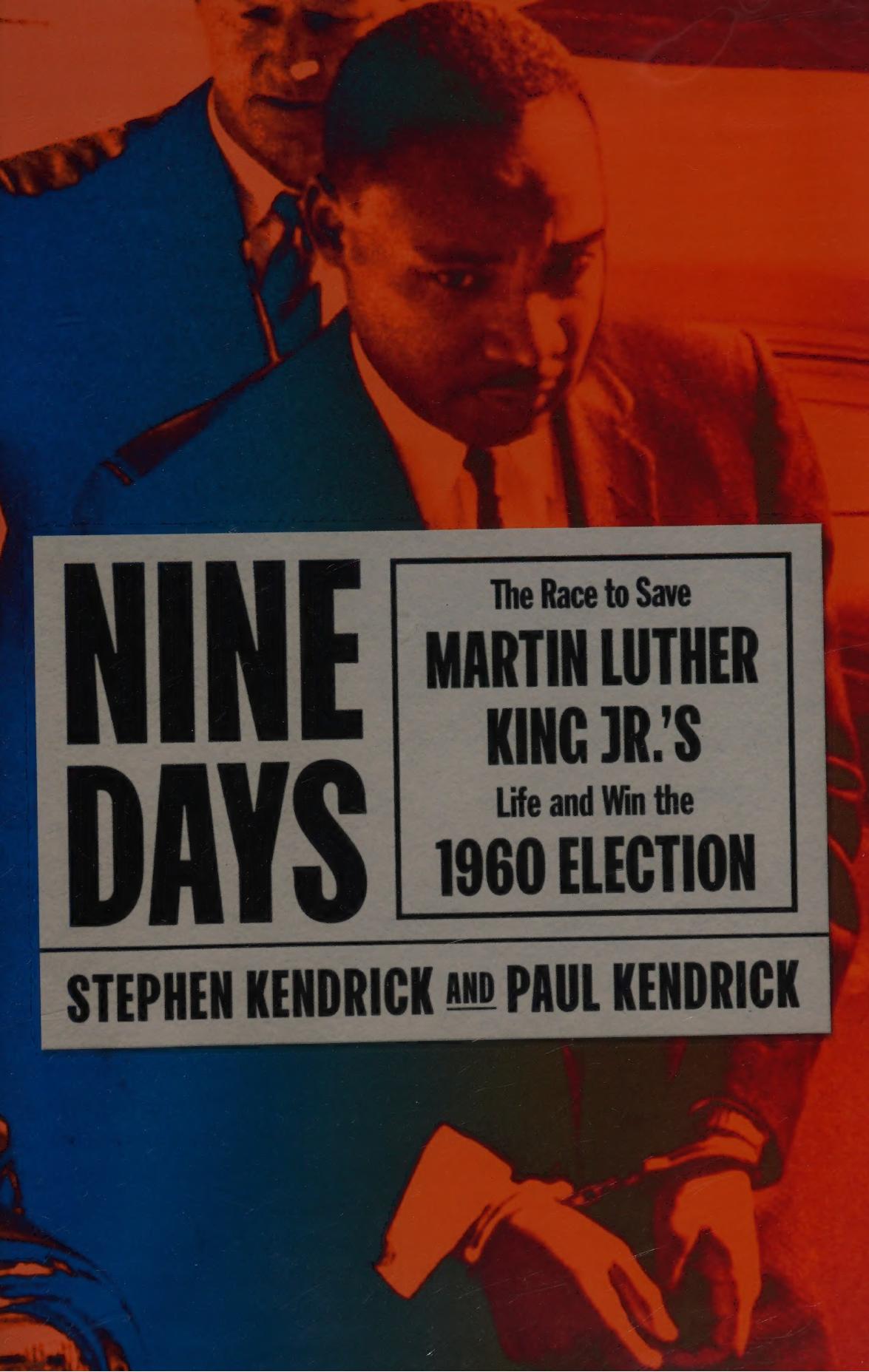
0 reviewsAn earlier, minor traffic ticket served as a pretext for keeping King locked up, and later for a harrowing nighttime transfer to Reidsville, the notorious Georgia state prison where Black inmates worked on chain gangs overseen by violent white guards. While King’s imprisonment was decried as a moral scandal in some quarters and celebrated in others, for the two presidential candidates―John F. Kennedy and Richard Nixon―it was the ultimate October surprise: an emerging and controversial civil rights leader was languishing behind bars, and the two campaigns raced to decide whether, and how, to respond.
Stephen and Paul Kendrick’s Nine Days tells the incredible story of what happened next. In 1960, the Civil Rights Movement was growing increasingly inventive and energized while white politicians favored the corrosive tactics of silence and stalling―but an audacious team in the Kennedy campaign’s Civil Rights Section (CRS) decided to act. In an election when Black voters seemed poised to split their votes between the candidates, the CRS convinced Kennedy to agitate for King’s release, sometimes even going behind his back in their quest to secure his freedom. Over the course of nine extraordinary October days, the leaders of the CRS―pioneering Black journalist Louis Martin, future Pennsylvania senator Harris Wofford, and Sargent Shriver, the founder of the Peace Corps―worked to tilt a tight election in Kennedy’s favor and bring about a revolution in party affiliation whose consequences are still integral to the practice of politics today.
…
4.8
39 reviews
4.9
7 reviews
4.5
28 reviews
4.9
8 reviews
4.4
19 reviews
4.7
39 reviews
4.7
22 reviews
4.5
10 reviews
4.5
5 reviews
4.7
39 reviews