
Most ebook files are in PDF format, so you can easily read them using various software such as Foxit Reader or directly on the Google Chrome browser.
Some ebook files are released by publishers in other formats such as .awz, .mobi, .epub, .fb2, etc. You may need to install specific software to read these formats on mobile/PC, such as Calibre.
Please read the tutorial at this link. https://ebooknice.com/page/post?id=faq
We offer FREE conversion to the popular formats you request; however, this may take some time. Therefore, right after payment, please email us, and we will try to provide the service as quickly as possible.
For some exceptional file formats or broken links (if any), please refrain from opening any disputes. Instead, email us first, and we will try to assist within a maximum of 6 hours.
EbookNice Team
Status:
Available4.7
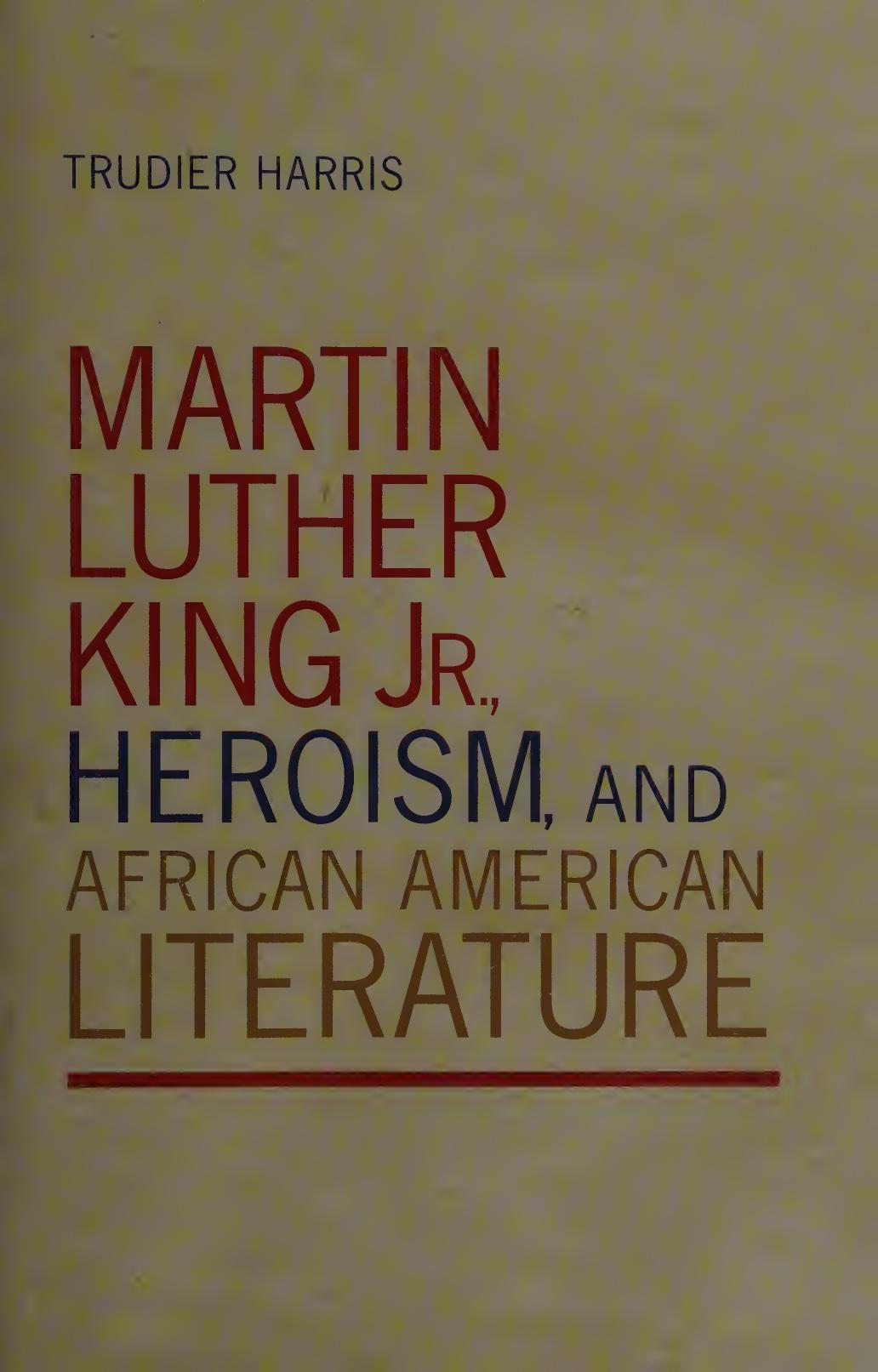
39 reviewsOne of the most revered figures in American history, King stands above most as a hero. His heroism, argues Harris, is informed by African American folk cultural perceptions of heroes. Brer Rabbit, John the Slave, Stackolee, and Railroad Bill—folk heroes all—provide a folk lens through which to view King in contemporary literature. Ambiguities and issues of morality that surround trickster figures also surround King. Nonconformist traits that define Stackolee and Railroad Bill also inform King’s life and literary portraits. Defiance of the law, uses of indirection, moral lapses, and bad habits are as much a part of the folk-transmitted biography of King as they are a part of writers’ depictions of him in literary texts.
Harris first demonstrates that during the Black Arts Movement of the 1960s, when writers such as Nikki Giovanni, Sonia Sanchez, and LeRoi Jones (Amiri Baraka) were rising stars in African American poetry, King’s philosophy of nonviolence was out of step with prevailing notions of militancy (Black Power), and their literature reflected that division.
In the quieter times of the 1970s and 1980s and into the twenty-first century, however, treatments of King and his philosophy in African American literature changed. Writers who initially rejected him and nonviolence became ardent admirers and boosters, particularly in the years following his assassination. By the 1980s, many writers skeptical about King had reevaluated him and began to address him as a fallen hero. To the most recent generation of writers, such as Katori Hall, King is fair game for literary creation, no matter what those portrayals may reveal, to a point where King has become simply another source of reference for creativity.
Collectively these writers, among many others, illustrate that Martin Luther King Jr. provides one of the strongest influences upon the creative worlds of multiple generations of African American writers of varying political and social persuasions.