
Most ebook files are in PDF format, so you can easily read them using various software such as Foxit Reader or directly on the Google Chrome browser.
Some ebook files are released by publishers in other formats such as .awz, .mobi, .epub, .fb2, etc. You may need to install specific software to read these formats on mobile/PC, such as Calibre.
Please read the tutorial at this link. https://ebooknice.com/page/post?id=faq
We offer FREE conversion to the popular formats you request; however, this may take some time. Therefore, right after payment, please email us, and we will try to provide the service as quickly as possible.
For some exceptional file formats or broken links (if any), please refrain from opening any disputes. Instead, email us first, and we will try to assist within a maximum of 6 hours.
EbookNice Team
Status:
Available4.4
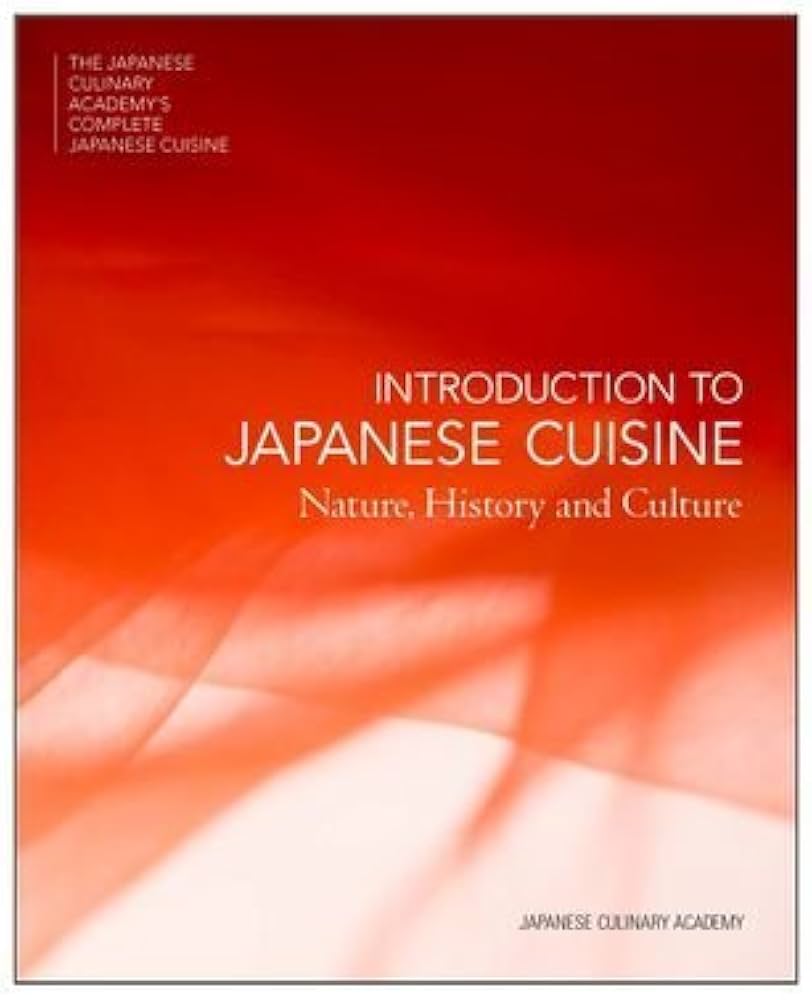
40 reviewsAlong with this interest has come an abundance of Japanese cookbooks, most often with a focus on ease of preparation, and recipes that accommodate local tastes and ingredients. However, professional chefs, who are increasingly acknowledging the influence of Japanese cooking on their own work, are looking for expert information about authentic, traditional Japanese cuisine. "The Complete Japanese Cuisine" series meets this demand.
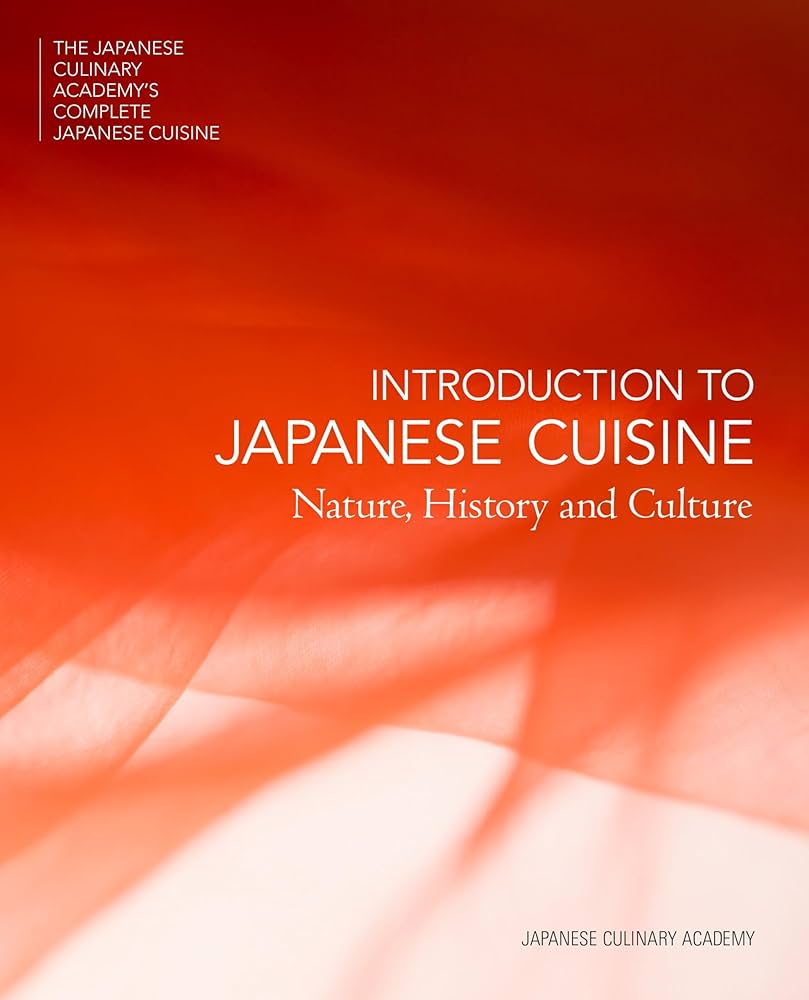
INTRODUCTION TO JAPANESE CUISINE is the first in this definitive multi-volume series. Created by the renowned Japanese Culinary Academy, an organization dedicated to advancing Japanese cuisine throughout the world, the series is authoritative, comprehensive, and wide-ranging in scope. The writing, design, and photography of each volume meet the highest standards. And although the books are targeted primarily to a professional readership, serious amateur chefs will also find them to be an invaluable resource.
The INTRODUCTION offers an overview and all the fundamentals needed to understand the cuisine and its cultural context. Main chapters include Nature and Climate, History and Development, Artistic Awareness, The Essentials, and Dishes for Seasonal Festivals. Here too are discussions of the health benefits of Japanese food; making dashi and other basics like sushi rice; recipes for the dishes featured earlier in the book; and useful tools like a glossary and a conversion chart for measurements.
4.4
15 reviews
4.5
21 reviews
5.0
19 reviews
4.3
27 reviews
4.4
14 reviews

5.0
5 reviews
4.5
30 reviews
4.3
23 reviews