
Most ebook files are in PDF format, so you can easily read them using various software such as Foxit Reader or directly on the Google Chrome browser.
Some ebook files are released by publishers in other formats such as .awz, .mobi, .epub, .fb2, etc. You may need to install specific software to read these formats on mobile/PC, such as Calibre.
Please read the tutorial at this link. https://ebooknice.com/page/post?id=faq
We offer FREE conversion to the popular formats you request; however, this may take some time. Therefore, right after payment, please email us, and we will try to provide the service as quickly as possible.
For some exceptional file formats or broken links (if any), please refrain from opening any disputes. Instead, email us first, and we will try to assist within a maximum of 6 hours.
EbookNice Team
Status:
Available0.0
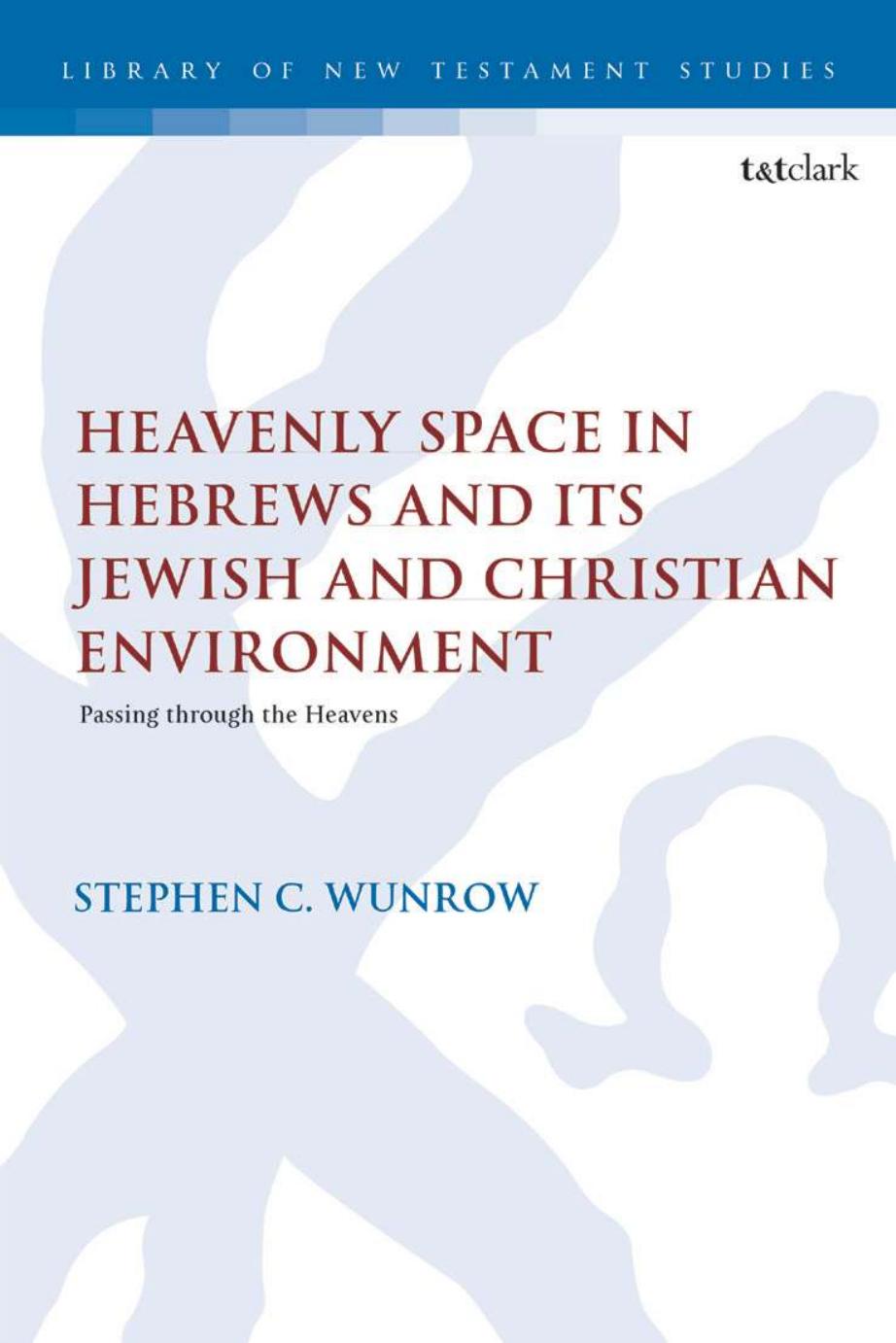
0 reviewsWunrow thus explores 1 and 2 Enoch, 4 Ezra, 2 and 3 Baruch, the Apocalypse of Abraham, the Testament of Levi, the Testament of Abraham, the Ascension of Isaiah, and Revelation; investigating how other roughly contemporary authors described heavenly space, and considering that the rhetorical aims of most of these authors fail unless their readers understand their descriptions of heavenly space in realistic ways. Turning then to examine Hebrews, Wunrow suggests that while the letter does contain unique features and rhetorical aims, it also fits comfortably with other early Jewish and Christian texts that describe humans ascending into heaven in a realistic manner. He concludes with reflections on how this conclusion helps to clarify other topics in Hebrews, including atonement and eschatology.

4.8
14 reviews
4.3
10 reviews

4.5
10 reviews
4.6
11 reviews
4.5
9 reviews
4.5
28 reviews
4.8
36 reviews
5.0
20 reviews