logo
Product categories

EbookNice.com

Most ebook files are in PDF format, so you can easily read them using various software such as Foxit Reader or directly on the Google Chrome browser.
Some ebook files are released by publishers in other formats such as .awz, .mobi, .epub, .fb2, etc. You may need to install specific software to read these formats on mobile/PC, such as Calibre.

Please read the tutorial at this link.  https://ebooknice.com/page/post?id=faq


We offer FREE conversion to the popular formats you request; however, this may take some time. Therefore, right after payment, please email us, and we will try to provide the service as quickly as possible.


For some exceptional file formats or broken links (if any), please refrain from opening any disputes. Instead, email us first, and we will try to assist within a maximum of 6 hours.

EbookNice Team
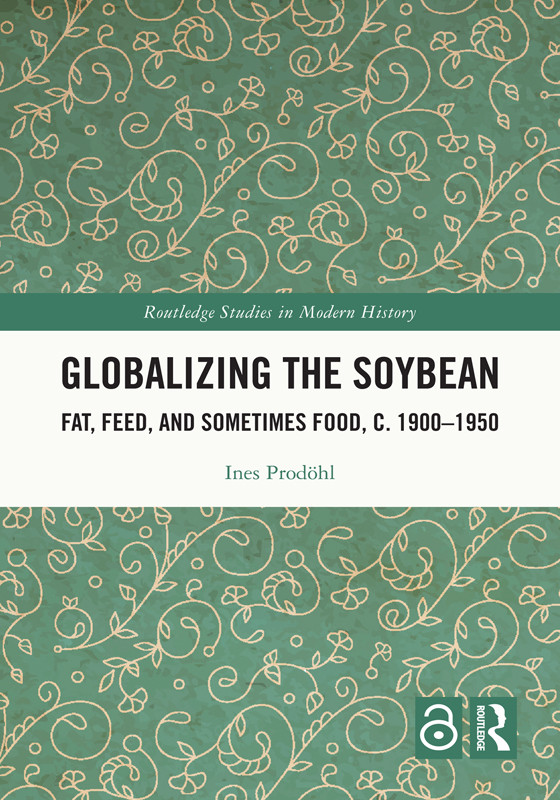
Globalizing the Soybean: Fat, Feed, and Sometimes Food, c. 1900–1950 by Prodöhl, Ines instant download

  • SKU: EBN-237370858
Zoomable Image
$ 32 $ 40 (-20%)

Status:

Available

0.0

0 reviews
Instant download (eBook) Globalizing the Soybean: Fat, Feed, and Sometimes Food, c. 1900–1950 after payment.
Authors:Prodöhl, Ines
Pages:updating ...
Year:2023
Publisher:Routledge
Language:english
File Size:1.18 MB
Format:epub
Categories: Ebooks

Product desciption

Globalizing the Soybean: Fat, Feed, and Sometimes Food, c. 1900–1950 by Prodöhl, Ines instant download

Globalizing the Soybean asks how the soybean conquered the West and analyzes why and how the crop gained entry into agriculture and industry in regions beyond Asia in the first half of the twentieth century. Historian Ines Prodöhl describes the soybean's journey centered on three hubs: Northeast China, as the crop's main growing area up to the Second World War; Germany, to where most of the beans in the interwar period were shipped; and the United States, which became the leading cultivator of soy worldwide during the 1940s. This book explores the German and U.S. adoption of the soybean being closely tied to global economic and political changes, such as the two world wars and the Great Depression. The attraction of the soybean to stakeholders on both sides of the Atlantic was linked to a need for cheap alternatives to butter and lard and a desire for greater quantities of meat, which led to the soybean becoming a cheap resource for fat and fodder. Only occasionally was it also used as food. This volume is useful for anyone who is studying or interested in economic history and commodity trading in the twentieth century. It is also connected to the histories of capitalism, globalization, imperialism, and materiality.
*Free conversion of into popular formats such as PDF, DOCX, DOC, AZW, EPUB, and MOBI after payment.

Related Products