Most ebook files are in PDF format, so you can easily read them using various software such as Foxit Reader or directly on the Google Chrome browser.
Some ebook files are released by publishers in other formats such as .awz, .mobi, .epub, .fb2, etc. You may need to install specific software to read these formats on mobile/PC, such as Calibre.
Please read the tutorial at this link. https://ebooknice.com/page/post?id=faq
We offer FREE conversion to the popular formats you request; however, this may take some time. Therefore, right after payment, please email us, and we will try to provide the service as quickly as possible.
For some exceptional file formats or broken links (if any), please refrain from opening any disputes. Instead, email us first, and we will try to assist within a maximum of 6 hours.
EbookNice Team
Status:
Available4.5
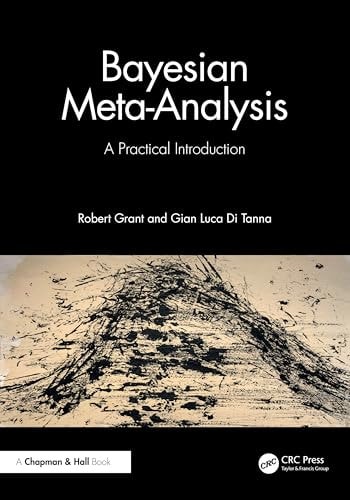
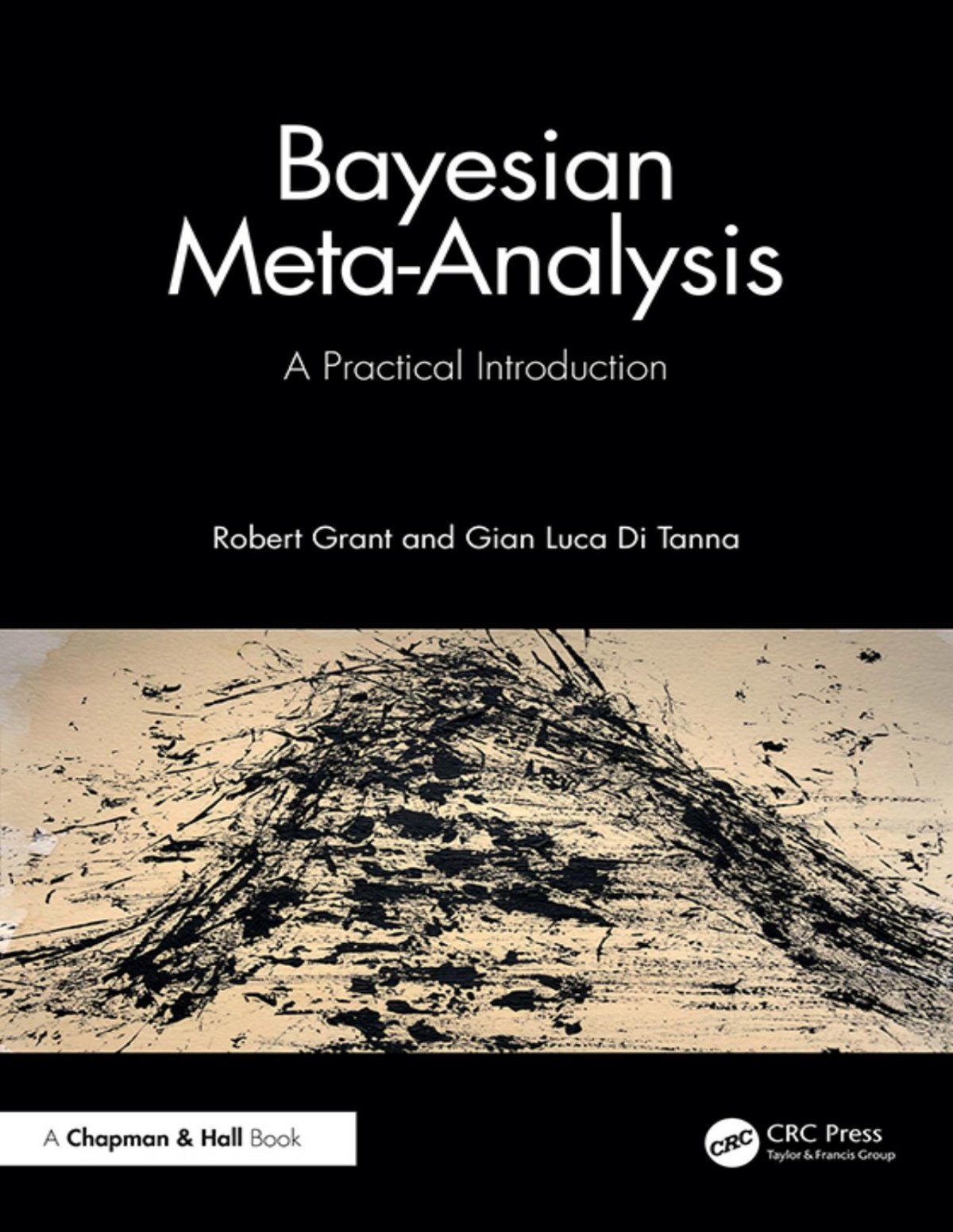
12 reviewsThis book aims to bridge the gap between the researcher who wants to carry out tailored meta-analysis and the techniques they need, which have previously been available only in mathematically or computationally demanding publications.
“…this book is extremely timely…not just a technical exposition, but provides practical guidance about using different software platforms, as well as valuable advice about extracting summary statistics, eliciting prior information, communicating results, visualisation, and many other issues…reflects years of thoughtful experience, and should be of huge value to anyone faced with pooling studies into a coherent whole.”~From the Foreword by Professor Sir David Spiegelhalter
Meta-analysis is the statistical combination of previously conducted studies, often from summary statistics but sometimes with individual participant data. It is widespread in life sciences and is gaining popularity in economics and beyond. In many real-life meta-analyses, challenges in the source information, such as unreported statistics or biases, can be incorporated using Bayesian methods. Bayesian Meta-Analysis: A Practical Introduction provides an approachable introduction for researchers who are new to Bayes, meta-analysis, or both. There is an emphasis on hands-on learning using a variety of software packages.
Key Features
Introductory chapters assume no prior experience or mathematical training, and are aimed at non-statistical researchers
Examples of basic meta-analyses in seven different software alternatives: BUGS, JAGS, Stan, bayesmeta, brms, Stata, and JASP
Practical advice on extracting information from studies, eliciting expert opinions, managing project decisions, and writing up findings
Discussion of specific problems, including publication bias, unreported statistics, ...
…
4.8
11 reviews
5.0
10 reviews
5.0
29 reviews
5.0
7 reviews
4.9
40 reviews
5.0
27 reviews
4.7
26 reviews
4.4
17 reviews