Most ebook files are in PDF format, so you can easily read them using various software such as Foxit Reader or directly on the Google Chrome browser.
Some ebook files are released by publishers in other formats such as .awz, .mobi, .epub, .fb2, etc. You may need to install specific software to read these formats on mobile/PC, such as Calibre.
Please read the tutorial at this link. https://ebooknice.com/page/post?id=faq
We offer FREE conversion to the popular formats you request; however, this may take some time. Therefore, right after payment, please email us, and we will try to provide the service as quickly as possible.
For some exceptional file formats or broken links (if any), please refrain from opening any disputes. Instead, email us first, and we will try to assist within a maximum of 6 hours.
EbookNice Team
Status:
Available4.8
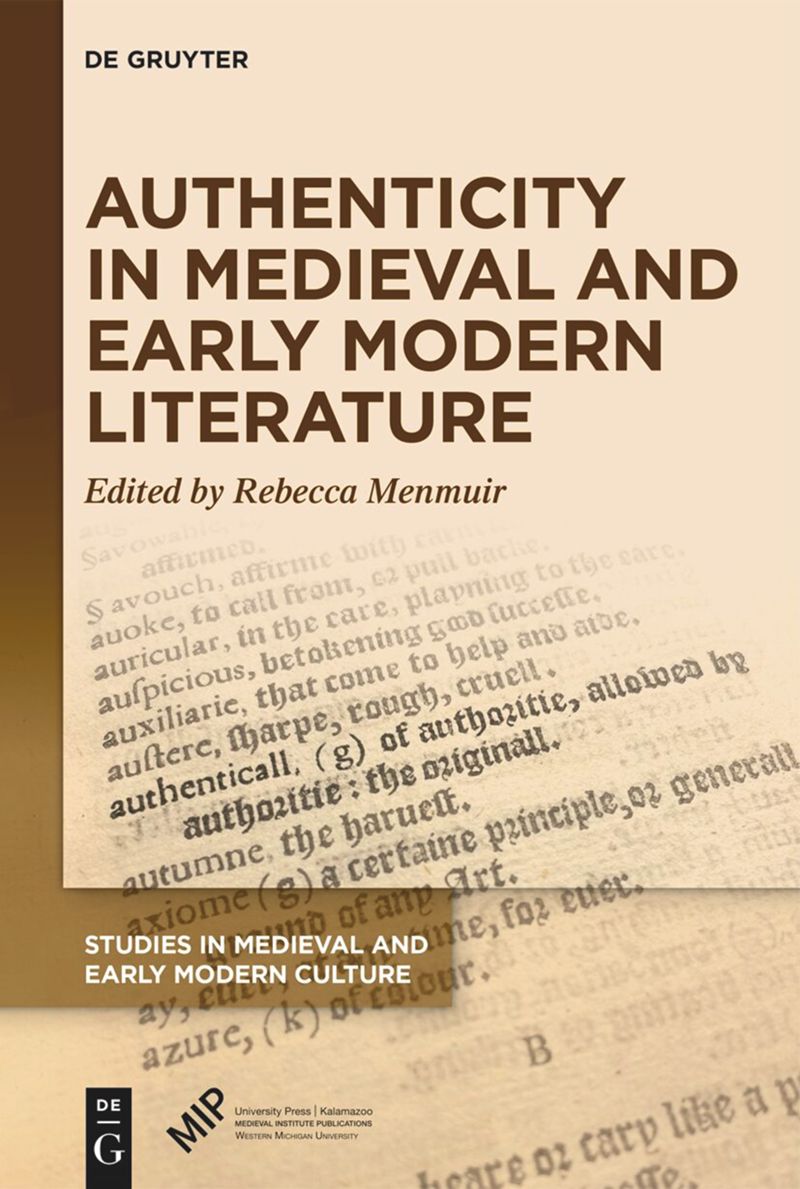
21 reviewsThis volume examines a range of medieval and early modern approaches to authenticity in literature, asking how authenticity was defined, privileged, constructed, and contested in the periods covered.
Essays trace the shifting status of authenticity across four literary categories which most test the concept of premodern authenticity: forgeries, histories, translations, and continuations. Contributions engage with works across Latin, Greek, English, French, and Irish, and set authenticity in conversation with medieval and modern perspectives on authority, truth, and morality.
5.0
5 reviews
4.9
22 reviews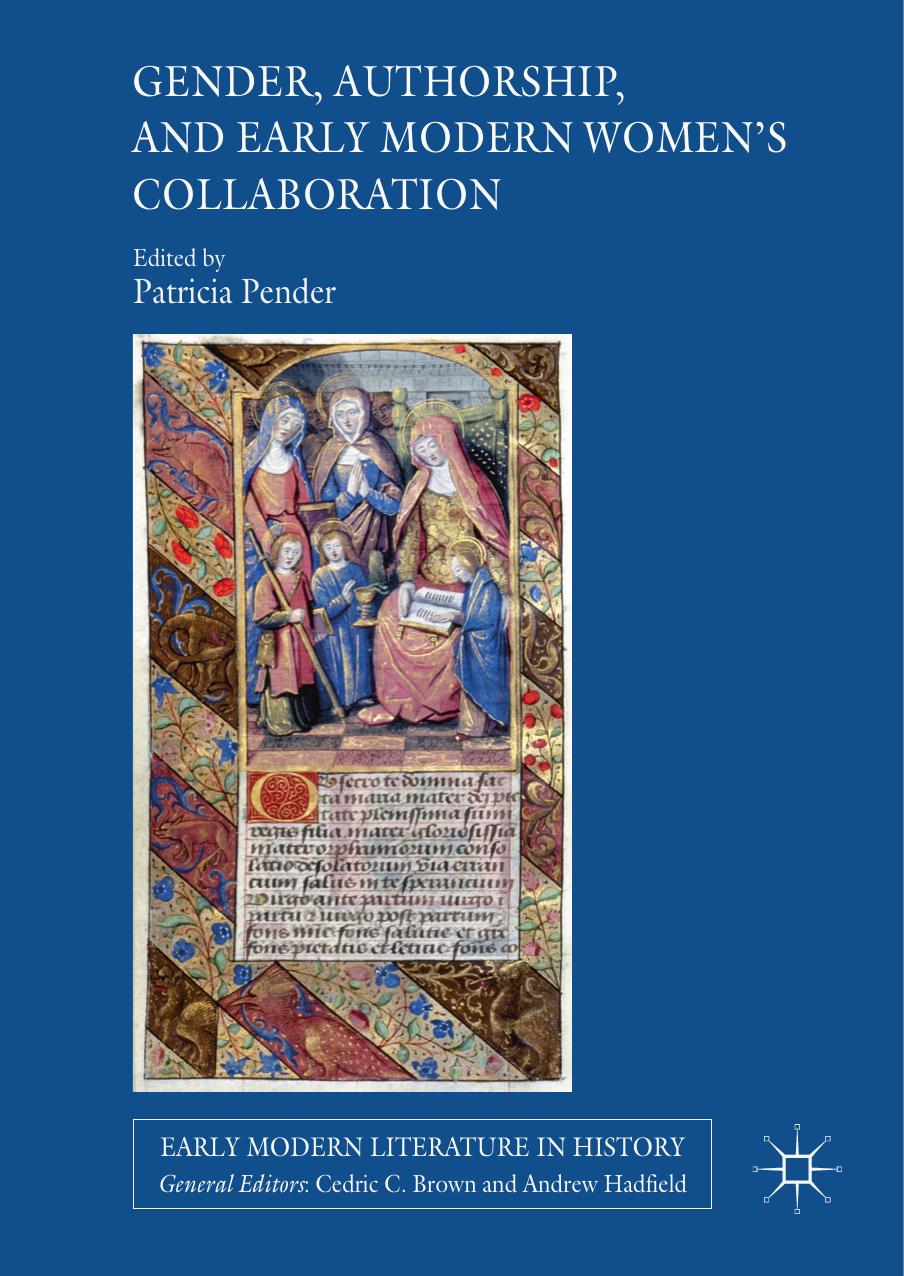
4.5
38 reviews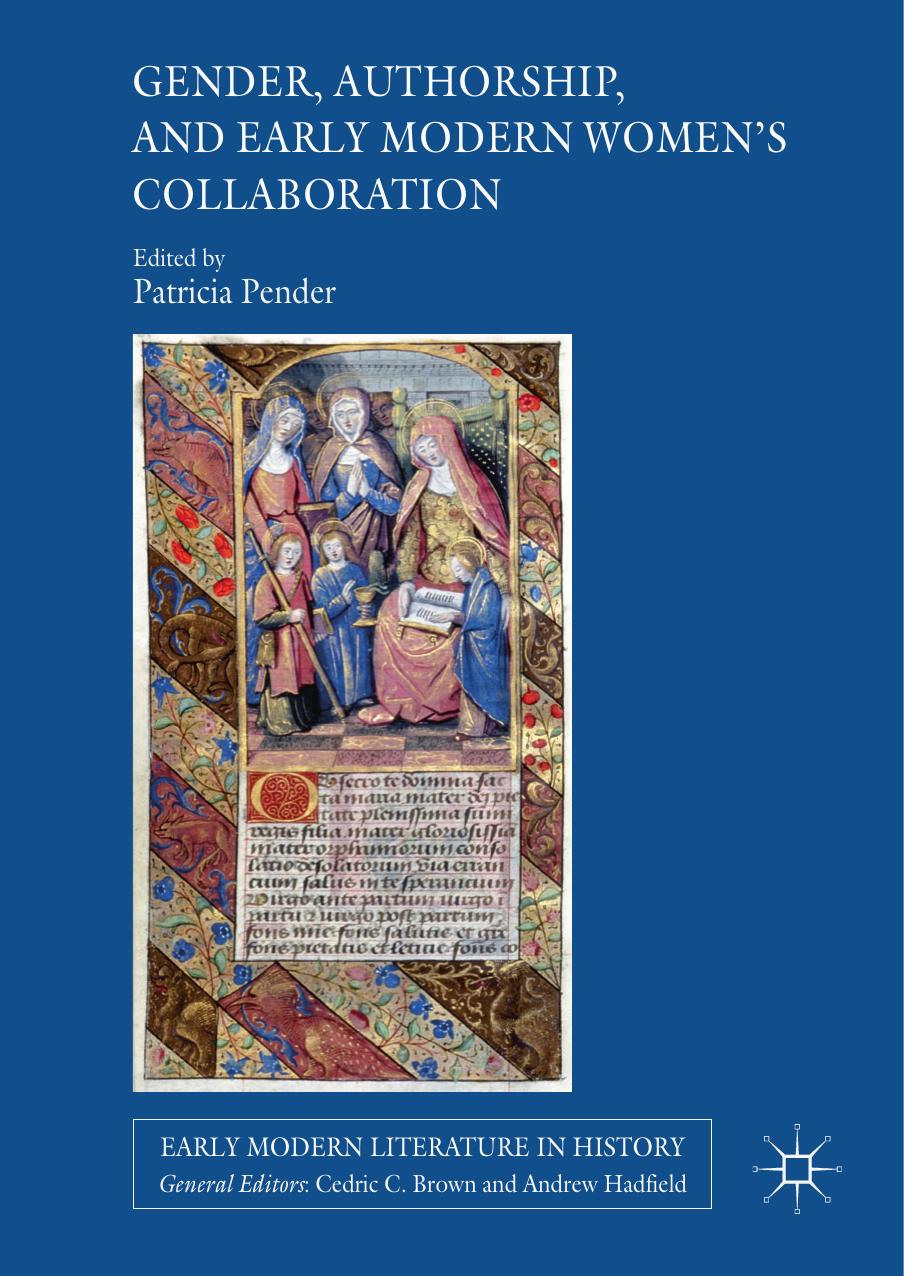
4.6
9 reviews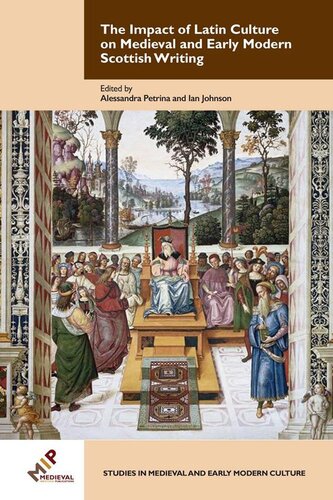
4.6
15 reviews