
Most ebook files are in PDF format, so you can easily read them using various software such as Foxit Reader or directly on the Google Chrome browser.
Some ebook files are released by publishers in other formats such as .awz, .mobi, .epub, .fb2, etc. You may need to install specific software to read these formats on mobile/PC, such as Calibre.
Please read the tutorial at this link. https://ebooknice.com/page/post?id=faq
We offer FREE conversion to the popular formats you request; however, this may take some time. Therefore, right after payment, please email us, and we will try to provide the service as quickly as possible.
For some exceptional file formats or broken links (if any), please refrain from opening any disputes. Instead, email us first, and we will try to assist within a maximum of 6 hours.
EbookNice Team
Status:
Available4.9
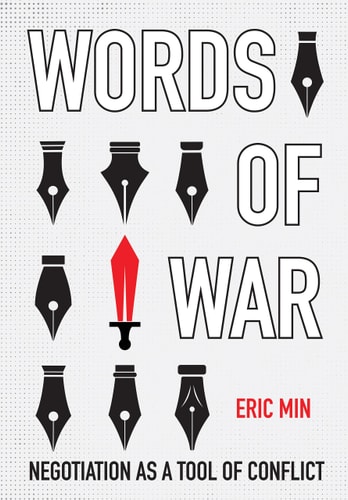
36 reviewsOf all interstate conflicts across the last two centuries, two-thirds have ended through negotiated agreement. Wartime diplomacy is thus commonly seen as a costless and mechanical process solely designed to end fighting. But as Min argues, that wartime negotiations are not just peacemaking tools. They are in fact a highly strategic activity that can also help states manage, fight, and potentially win wars.
To demonstrate that wartime talk does more than simply end hostilities, Min distinguishes between two kinds of negotiations: sincere and insincere. Whereas sincere negotiations are good faithhonest attempts to reach peace, insincere negotiations exploit diplomacy for some other purpose, such as currying gaining political support or remobilizing forces. Two factors determine whether and how belligerents will negotiate: the amount of pressure that outside parties can place on belligerents them to engage in diplomacy, and information obtained from fighting on the battlefield.
Combining statistical and computational text analyses with qualitative case studies ranging from the War of the Roman Republic to the Korean War, Min shows that negotiations are more likely to occur with strong external pressures. A combination of such pressures and indeterminate battlefield activity, however, will most likely leads to insincere negotiations that may stoke fighting rather than end it. By revealing that diplomacy can sometimes be counterproductive to peace, Words of War compels us to rethink the assumption that it "cannot hurt" to promote diplomacy during war.
4.9
29 reviews
4.4
20 reviews
4.8
11 reviews
4.4
10 reviews

4.6
16 reviews
4.4
8 reviews