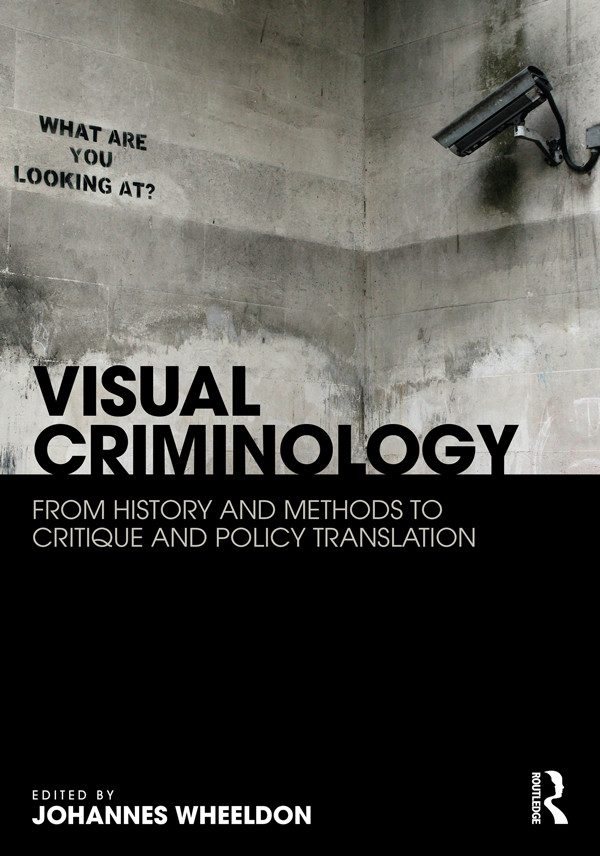
Visual Criminology; From History and Methods to Critique and Policy Translation by Johannes Wheeldon instant download
This edited collection captures the expertise of scholars from the United States, the United Kingdom, Australia, and Canada to catalog the rise in visual approaches in criminology. It presents examples of visual methods, uses, and approaches in criminology; assesses the potential for new graphic approaches to collect, analyze, and present data; and provides some analysis of the use of images in teaching, to spur social critique, and to guide policy translation. The collection visually connects theory and practice by highlighting the work of criminologists who have embraced the visual turn. Contributors explore the use of cognitive maps, concept and mind maps, life history calendars, Close-Circuit Television, life plots, Geographic Information Systems (GIS) and hot spot research, policy graphs, visual abstracts and research summaries, and other visual tools in the context of criminology. Approaches that build on visual sociology are also featured, including a discussion of developments in documentary photography and film, visual ethnography, and sensory phenomenology. The book is organized thematically, with each chapter following logically upon the last, introducing readers to a variety of visual approaches and their application in criminology. The goals of this collected volume are threefold. The first is to highlight how the visual has been used in criminology historically to present data, contest meaning and complicate social control, and make more transparent the research process. The second is to work toward some sort of definitional consistency. While a worthy endeavor, this remains elusive given the assortment of uses and varying traditions from which visual criminology has emerged. The third is to try to think clearly about the role of humility. This means a willingness to acknowledge an epistemological framework and note the variety of limitations associated with trying to understand in deep and meaningful ways. For visual criminology specifically, it invol
*Free conversion of into popular formats such as PDF, DOCX, DOC, AZW, EPUB, and MOBI after payment.