
Most ebook files are in PDF format, so you can easily read them using various software such as Foxit Reader or directly on the Google Chrome browser.
Some ebook files are released by publishers in other formats such as .awz, .mobi, .epub, .fb2, etc. You may need to install specific software to read these formats on mobile/PC, such as Calibre.
Please read the tutorial at this link. https://ebooknice.com/page/post?id=faq
We offer FREE conversion to the popular formats you request; however, this may take some time. Therefore, right after payment, please email us, and we will try to provide the service as quickly as possible.
For some exceptional file formats or broken links (if any), please refrain from opening any disputes. Instead, email us first, and we will try to assist within a maximum of 6 hours.
EbookNice Team
Status:
Available4.9
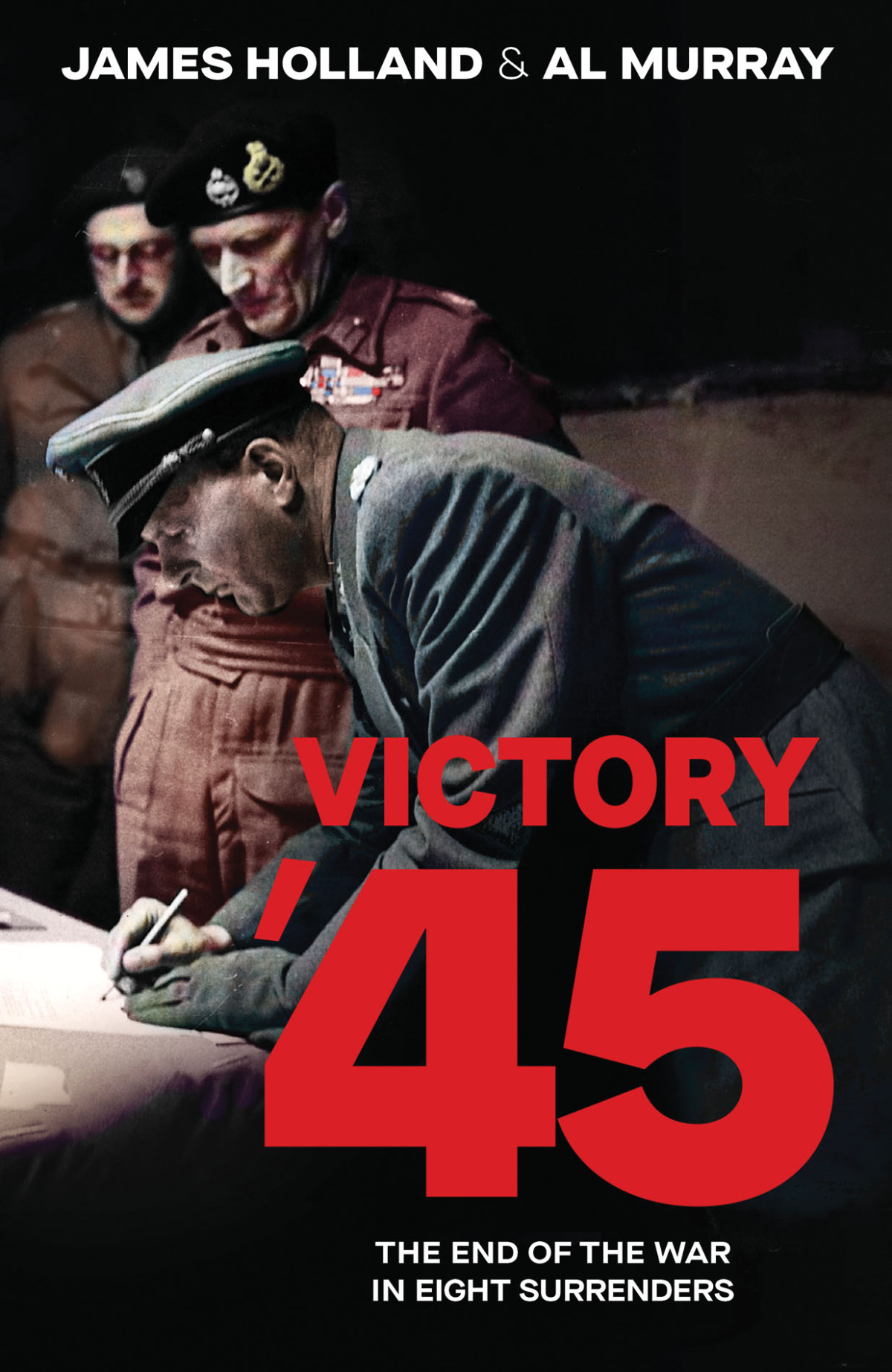
38 reviewsOn the 80th anniversary of the end of World War II, two acclaimed historians chronicle the remarkable stories behind the surrenders that ended the world's most catastrophic global conflict
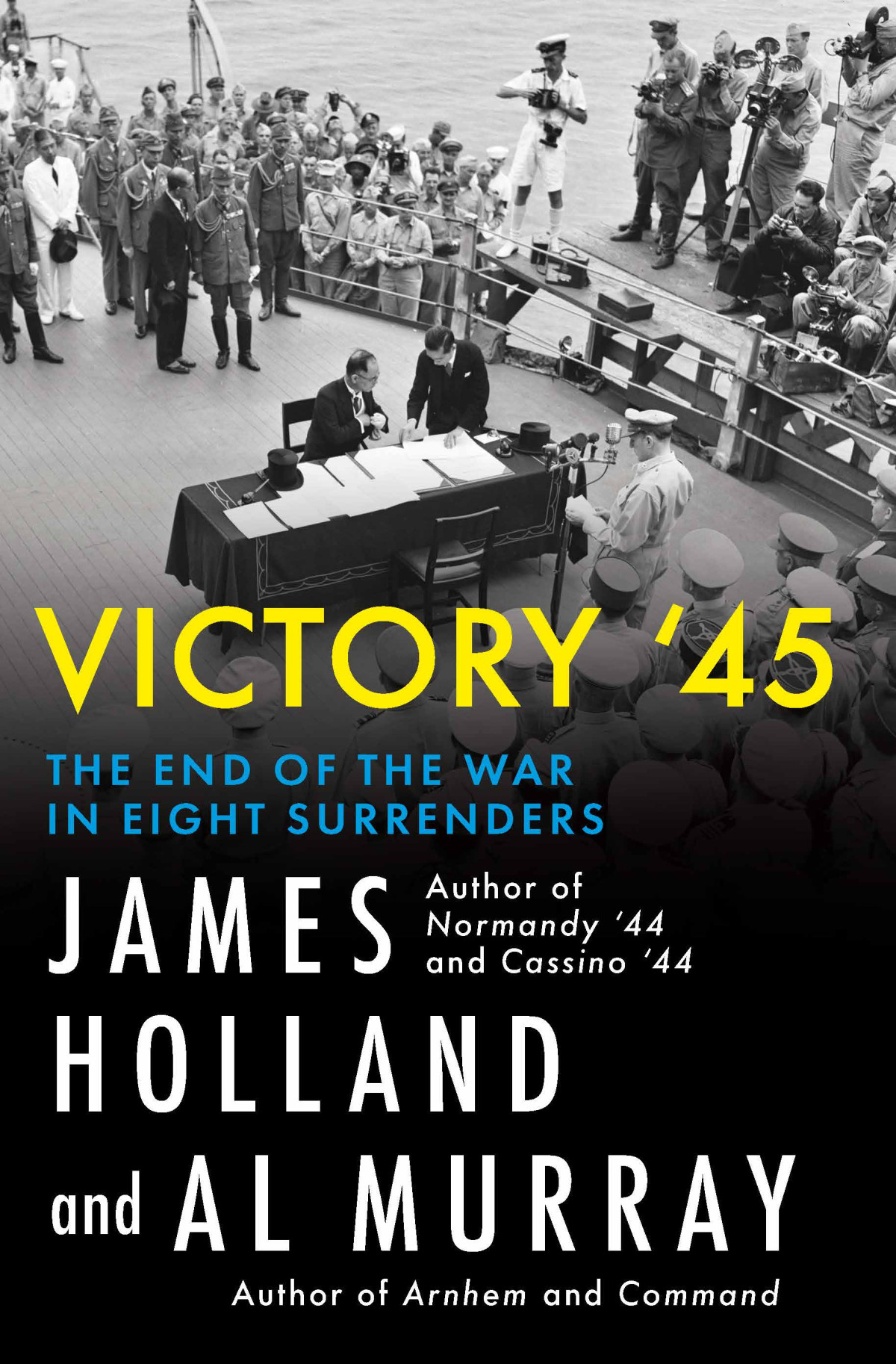
In May 1944 and then again in August and early September, the seemingly endless World War II finally came to a close in six dramatic surrender ceremonies, four in Europe and the last two in Japan. On the 80th anniversary of those historic moments, celebrated historians James Holland and Al Murray chronicle these momentous events in turn, focusing especially on the human dramas behind each surrender and relating stories and perspectives on the end of the war that have not previously been told.
Germany's armies submitted to the Allies in four ceremonies between May 2 and June 7, the latter after considerable delays by the Germans and threats from General Dwight D. Eisenhower, Supreme Allied Commander. Japan then finally conceded only after the bombing of Hiroshima and Nagasaki, initially on August 15th and then in a formal ceremony aboard the USS Missouri on September 2. Holland and Murray focus on specific characters participating in each of these world-changing events--from ordinary servicemen and women and civilians to generals and political leaders. The saga of the first German surrender, in Italy, revolves around senior SS general Karl Wolff's personal battle to save his own neck and involves VIP prisoners locked up in a resort in South Tyrol, art theft, money laundering, and the resistance of other German commanders to give up. The German surrender to the Americans on May 5 follows the fortunes of private Alan Moskin from New Jersey, whose 6th Infantry Regiment found themselves liberating Gunskirchen, one of Mauthausen's sub-concentration camps, the terrible reality of which affected the rest of his life.
The stories surrounding the war's end are in their own way as dramatic as the strategy and battles themselves. As Holland and Murray make clear, they add greatly to our understanding and appreciation of World War II and its legacy.
4.7
17 reviews
4.7
32 reviews
4.9
19 reviews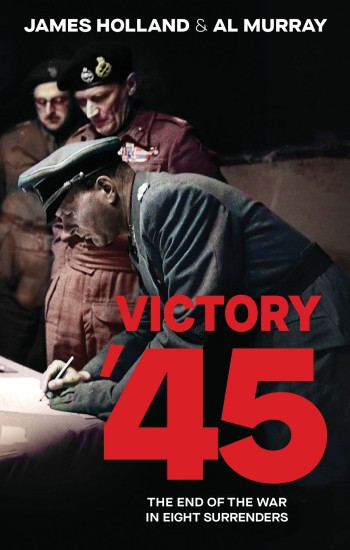
4.8
35 reviews
4.7
33 reviews



4.5
33 reviews