
Most ebook files are in PDF format, so you can easily read them using various software such as Foxit Reader or directly on the Google Chrome browser.
Some ebook files are released by publishers in other formats such as .awz, .mobi, .epub, .fb2, etc. You may need to install specific software to read these formats on mobile/PC, such as Calibre.
Please read the tutorial at this link. https://ebooknice.com/page/post?id=faq
We offer FREE conversion to the popular formats you request; however, this may take some time. Therefore, right after payment, please email us, and we will try to provide the service as quickly as possible.
For some exceptional file formats or broken links (if any), please refrain from opening any disputes. Instead, email us first, and we will try to assist within a maximum of 6 hours.
EbookNice Team
Status:
Available4.4
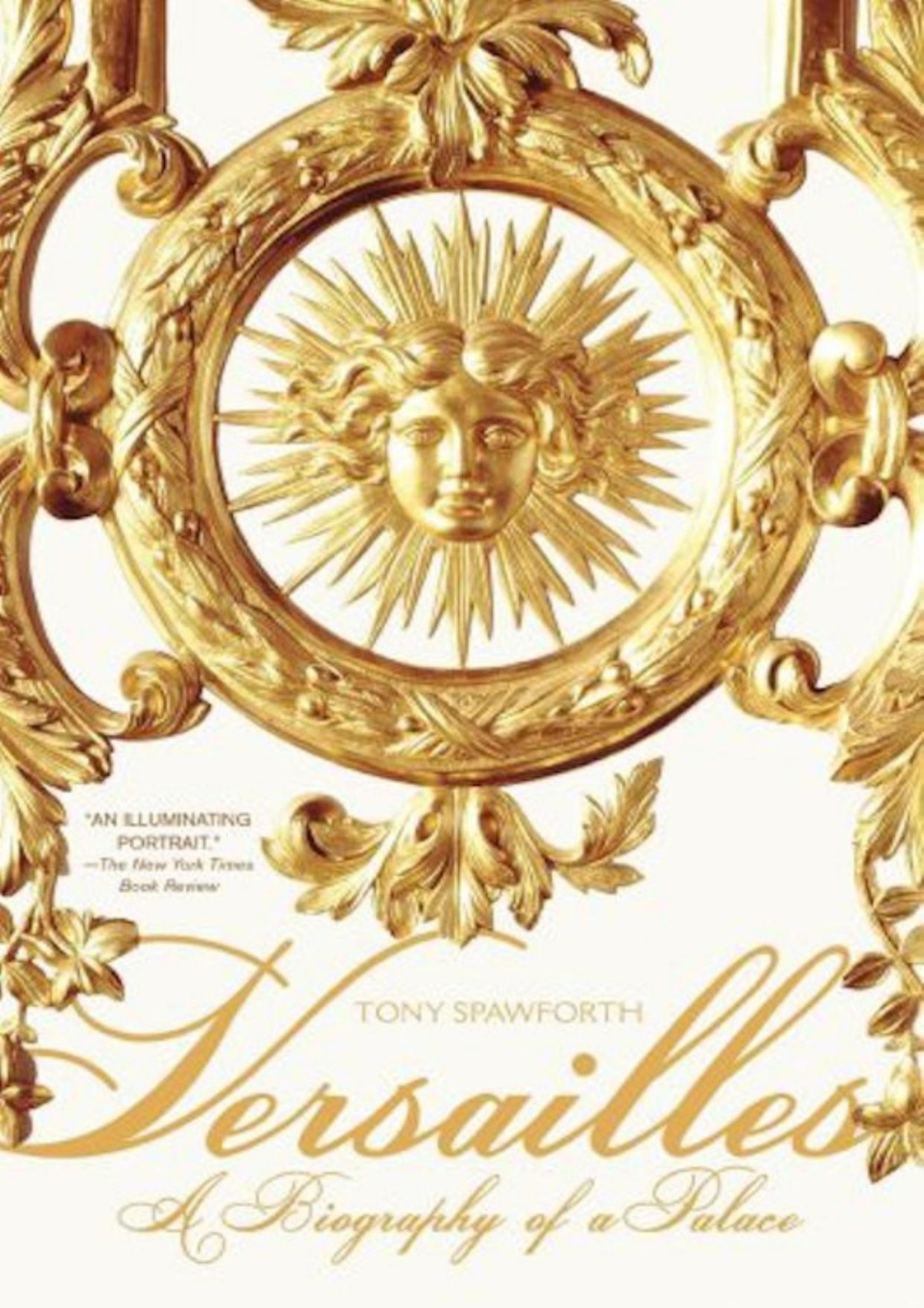
12 reviewsCalled “fast-paced” (Kirkus Reviews) and “highly engrossing” (Publishers Weekly), this is the behind-the-scenes story of the world’s most famous palace.
The story of Versailles is one of high historical drama mixed with the high camp and glamour of the European courts, all in an iconic home for the French arts. The palace itself has been radically altered since 1789. Versaillessets out to rediscover what is now a vanished world: a great center of power and, for thousands, a home both grand and squalid.
Using the latest historical research, Spawforth offers the first full account of Versailles in English in over thirty years. He probes the conventional picture of this “perpetual house party” and gives full weight to the darker side: not just the mounting discomfort of the aging palace but also the intrigue and status anxiety of its aristocrats, as well as the changing place of Versailles in France’s national identity since 1789.
Many books have told the stories of the royals and artists living in Versailles, but this is the first to turn its focus on the palace itself—from architecture to politics to scandal to restoration.
From Publishers WeeklyBritish historian Spawforth animates the palace that was home to the most charismatic monarchy in Europe for a century, until the French Revolution. The glamour and pageantry of the palace hid a multitude of sins. The clothes-conscious Louis XIV, for instance, created a new office, grand master of the wardrobe, and appointed a duke whom the memoirist Saint-Simon likened to a slave. A handsome aristocratic page to Marie-Antoinette, Alexandre de Tilly, recounted his sexual intrigues at age 16 with a 36-year-old widowed countess, conducted in various palace locations. At Versailles the royals ate publicly, a display that was supposed to humanize them as spectators raced around to watch each member of the royal family dine; the crowd horrified a Russian princess in 1768. Chamber pots on the palace's the upper stories were frequently emptied into the interior courts below; Marie-Antoinette was hit—intentionally, she believed—as she passed under the windows of Madame du Barry, her father-in-law the king's mistress. This well-researched and highly engrossing account conjures a bygone era with all its opulence, deference and perilous insularity. 8 pages of color photos. (Oct.)
Copyright © Reed Business Information, a division of Reed Elsevier Inc. All rights reserved.
Starred Review. This fascinating, immensely readable book will be welcomed by both general readers and those interested in French culture. Using an impressive array of sources, Spawforth (ancient history, Newcastle Univ.; The Complete Greek Temples) re-creates the history of Versailles and its inhabitants, focusing not merely on architectural details but on the many human stories hidden within its lengthy past. Meticulously tracing the growth and changing usages of the palace from the days of Louis XIII to the ill-fated departure of Louis XVI in the upheaval of the Revolution, he offers vivid insights into a vanished world of royal and aristocratic splendor as he describes the clothing, rituals, habits, ceremonies, and entertainments of a social set obsessed with the "fetishes of rank." No detail appears to have escaped his purview as he looks at the court's dress codes, standards of service, etiquette rituals, and sanitary facilities. Even more important are the glimpses he provides into the lives of those servants and townspeople who made life at Versailles possible, individuals such as the "water waiter" who oversaw a kind of underground economy by redistributing leftovers from royal tables. This book thoughtfully analyzes how Versailles has been both a living community and a symbol of many things—royal magnificence, despotism, extravagance, isolation, and, finally, national pride. Most intriguing is the little-known story of what became of Versailles after the Revolution and the key role played by conservators like Pierre de Nolhac in preserving and reconstructing its history. Highly recommended for large public libraries.—Marie Marmo Mullaney, Caldwell Coll., N.J.
Copyright © Reed Business Information, a division of Reed Elsevier Inc. All rights reserved.

5.0
25 reviews
4.6
5 reviews

4.9
34 reviews
4.3
40 reviews

4.8
34 reviews
4.3
14 reviews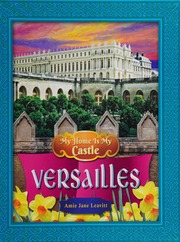
5.0
36 reviews