
Most ebook files are in PDF format, so you can easily read them using various software such as Foxit Reader or directly on the Google Chrome browser.
Some ebook files are released by publishers in other formats such as .awz, .mobi, .epub, .fb2, etc. You may need to install specific software to read these formats on mobile/PC, such as Calibre.
Please read the tutorial at this link. https://ebooknice.com/page/post?id=faq
We offer FREE conversion to the popular formats you request; however, this may take some time. Therefore, right after payment, please email us, and we will try to provide the service as quickly as possible.
For some exceptional file formats or broken links (if any), please refrain from opening any disputes. Instead, email us first, and we will try to assist within a maximum of 6 hours.
EbookNice Team
Status:
Available5.0
41 reviews
ISBN 10: 0199731195
ISBN 13: 9780199731190
Author: Steven Whitman, Ami Shah, Maureen Benjamins
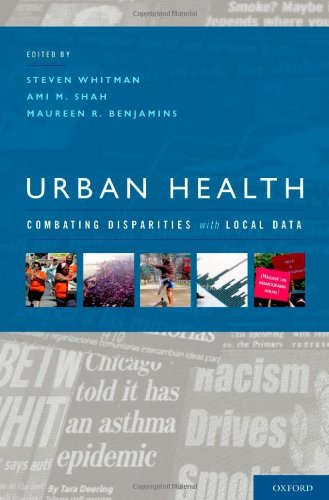
The 1980s opened a discussion of the varying nature of health in different segments of the United States. Falling under the rubric of "health disparities," a great deal of research has been published demonstrating the substantial differences in health status within a population. The causes of health disparities are varied and not always clear but most researchers agree that disparities are a reflection of social and economic inequities and political injustice. One of the obstacles to addressing disparities is the lack of meaningful health data especially for vulnerable populations, which is often nonexistent despite being a critical factor for informing health programs and policies at the local level. This book provides a model for combating health disparities by describing how the authors gathered local health information, engaged the community at every step of the process, and created movement toward evidence-based sustainable change. This book describes how a landmark health survey in Chicago generated dramatic data that are allowing investigators throughout the city to move from data to action and from observation to intervention. In providing a detailed description of how the community-focused collection and analysis of health data can serve as an impetus for improved well-being, Urban Health is an invaluable resource for researchers, community groups, students and professionals.
Section 1 Setting the Stage
1 Introducing the Sinai Model for Reducing Health Disparities and Improving Health
2 A History of the Movement to Address Health Disparities
Section 2 The Importance of Local Data
3 Sinai’s Improving Community Health Survey: Methodology and Key Findings
4 The Jewish Community Health Survey of Chicago: Methodology and Key Findings
5 The Chicago Asian Community Surveys: Methodology and Key Findings
6 Comparing the Health Status of Ten Chicago Communities
Section 3 Translating Data into Community Action
7 Working Together to Live Tobacco-Free: Community-Based Smoking Cessation in North Lawndale
8 Combating Childhood Obesity through a Neighborhood Coalition: Community Organizing for Obesity Prevention in Humboldt Park
9 Fighting Childhood Obesity in a Jewish Community
10 Disproportionate Impact of Diabetes in a Puerto Rican Community of Chicago
11 Pediatric Asthma in Black and Latino Chicago Communities: Local Level Data Drives Response
12 Humboldt Park: A Community United to Challenge Asthma
Section 4 Implications
13 Community-Based Health Interventions: Past, Present, and Future
14 The Future Holds Promise
urban health combating disparities with local data
urban health disparities
urban healthcare disparities
health disparities in urban communities
health disparities in urban and rural areas
Tags: Steven Whitman, Ami Shah, Maureen Benjamins, Urban, Disparities


4.6
12 reviews

4.7
9 reviews


4.8
6 reviews
4.6
17 reviews
5.0
18 reviews