
Most ebook files are in PDF format, so you can easily read them using various software such as Foxit Reader or directly on the Google Chrome browser.
Some ebook files are released by publishers in other formats such as .awz, .mobi, .epub, .fb2, etc. You may need to install specific software to read these formats on mobile/PC, such as Calibre.
Please read the tutorial at this link. https://ebooknice.com/page/post?id=faq
We offer FREE conversion to the popular formats you request; however, this may take some time. Therefore, right after payment, please email us, and we will try to provide the service as quickly as possible.
For some exceptional file formats or broken links (if any), please refrain from opening any disputes. Instead, email us first, and we will try to assist within a maximum of 6 hours.
EbookNice Team
Status:
Available4.3
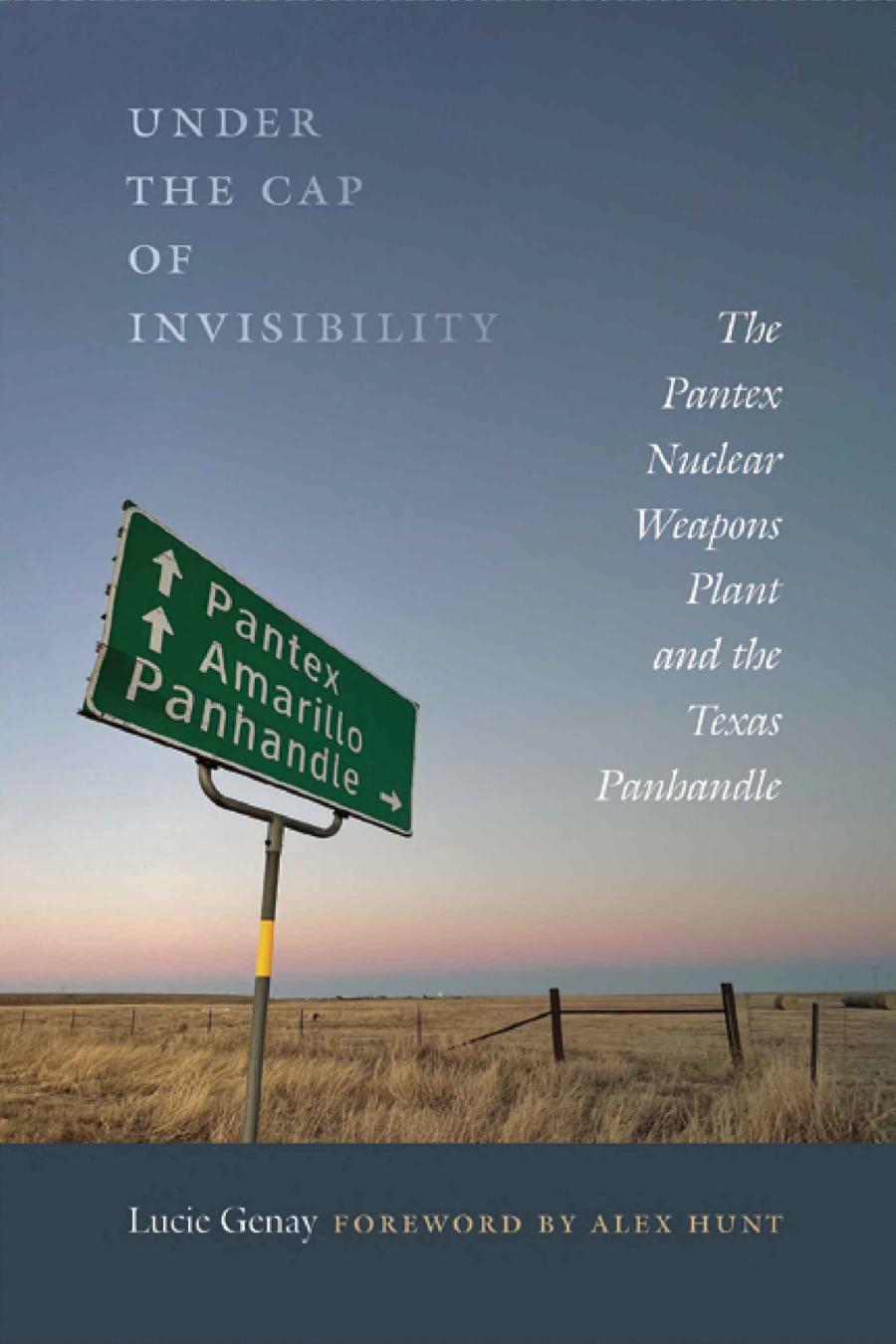
36 reviewsPantex was built during World War II near the town of Amarillo, Texas. The site was converted early in the Cold War to assemble nuclear weapons and produce high explosives. For nearly fifty years Pantex has been the sole assembly and disassembly plant for nuclear weapons in the United States. Today, most of the activities of the plant consist of the manufacture of high explosive components and the dismantlement or life extension of weapons, including retrofitting aging warheads in the United States’s arsenal.
Unlike the much more famous nuclear-weapons-production sites at Los Alamos, Oak Ridge, Hanford, and Rocky Flats, the Pantex plant has drawn little attention, hidden under a metaphoric “cap of invisibility.” Lucie Genay now lifts that invisibility cap to give the world its first in-depth look at Pantex and the people who have spent their lives as neighbors and employees of this secretive industry. The book investigates how Pantex has impacted local identity by molding elements of the past into the guaranty of its future and its concealment. It further examines the multiple facets of Pantexism—the reasons for embracing nuclear-weapons production as a solution to economic woes, the resulting dependence on this industry, and the unconditional support for the facility—through the voices of native and adoptive Panhandlers.


4.8
36 reviews

4.7
15 reviews
4.9
14 reviews
4.6
37 reviews