
Most ebook files are in PDF format, so you can easily read them using various software such as Foxit Reader or directly on the Google Chrome browser.
Some ebook files are released by publishers in other formats such as .awz, .mobi, .epub, .fb2, etc. You may need to install specific software to read these formats on mobile/PC, such as Calibre.
Please read the tutorial at this link. https://ebooknice.com/page/post?id=faq
We offer FREE conversion to the popular formats you request; however, this may take some time. Therefore, right after payment, please email us, and we will try to provide the service as quickly as possible.
For some exceptional file formats or broken links (if any), please refrain from opening any disputes. Instead, email us first, and we will try to assist within a maximum of 6 hours.
EbookNice Team
Status:
Available4.5
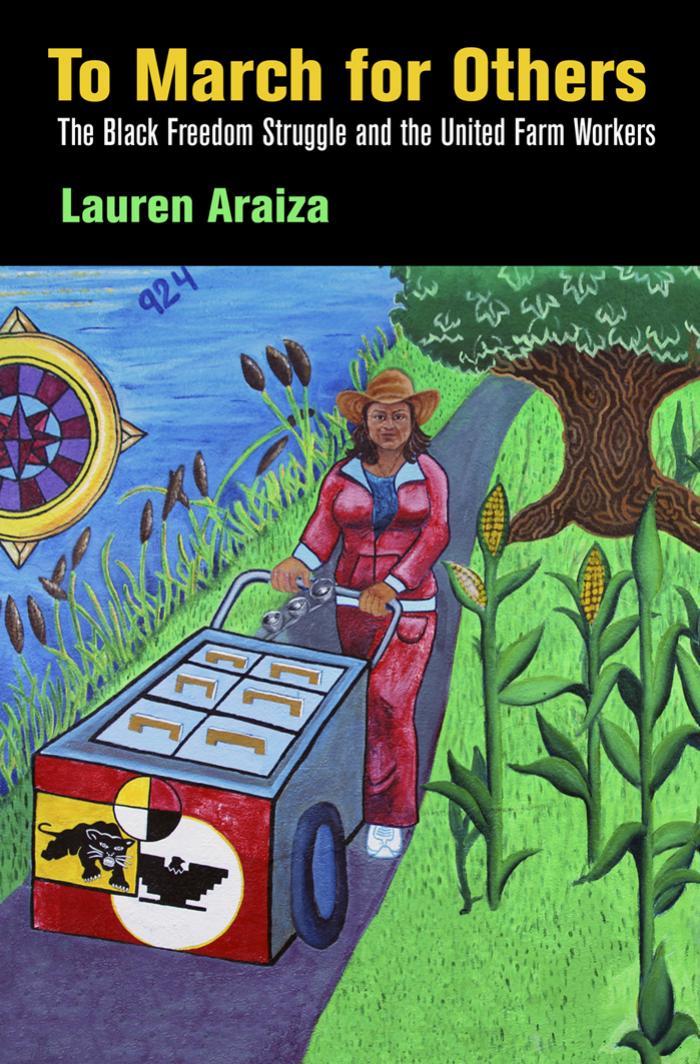
31 reviewsIn 1966, members of the Student Nonviolent Coordinating Committee, an African American civil rights group with Southern roots, joined Cesar Chavez and the United Farm Workers union on its 250-mile march from Delano to Sacramento, California, to protest the exploitation of agricultural workers. SNCC was not the only black organization to support the later on, the NAACP, the National Urban League, the Southern Christian Leadership Conference, and the Black Panther Party backed UFW strikes and boycotts against California agribusiness throughout the late 1960s and early 1970s. To March for Others explores the reasons why black activists, who were committed to their own fight for equality during this period, crossed racial, socioeconomic, geographic, and ideological divides to align themselves with a union of predominantly Mexican American farm workers in rural California. Lauren Araiza considers the history, ideology, and political engagement of these five civil rights organizations, representing a broad spectrum of African American activism, and compares their attitudes and approaches to multiracial coalitions. Through their various relationships with the UFW, Araiza examines the dynamics of race, class, labor, and politics in twentieth-century freedom movements. The lessons in this eloquent and provocative study apply to a broader understanding of political and ethnic coalition building in the contemporary United States.



4.7
40 reviews
4.9
9 reviews
4.7
7 reviews
4.5
40 reviews
4.6
16 reviews