Most ebook files are in PDF format, so you can easily read them using various software such as Foxit Reader or directly on the Google Chrome browser.
Some ebook files are released by publishers in other formats such as .awz, .mobi, .epub, .fb2, etc. You may need to install specific software to read these formats on mobile/PC, such as Calibre.
Please read the tutorial at this link. https://ebooknice.com/page/post?id=faq
We offer FREE conversion to the popular formats you request; however, this may take some time. Therefore, right after payment, please email us, and we will try to provide the service as quickly as possible.
For some exceptional file formats or broken links (if any), please refrain from opening any disputes. Instead, email us first, and we will try to assist within a maximum of 6 hours.
EbookNice Team
Status:
Available0.0
0 reviewsMontreal, Monday (6.00 a.m.) April 15, 1912
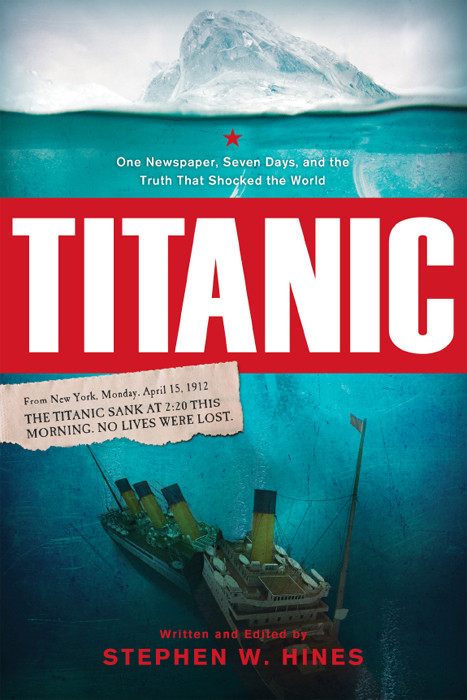
TITANIC STRUCK AN ICEBERG. SENDS MARCONIGRAM ASKING FOR ASSISTANCE. VIRGINIAN GOING TO HER RESCUE.
From New York, Monday. April 15, 1912
"VESSEL SINKING"
STEAMERS ARE TOWING THE TITANIC. AND ENDEAVOURING TO GET HER INTO THE SHOAL WATER NEAR CAPE RACE. FOR THE PURPOSE OF BEACHING HER.
From New York, Monday night. April 15, 1912
THE WHITE STAR OFFICIALS NOW ADMIT THAT MANY LIVES HAVE BEEN LOST.
News of the Titanic's catastrophic sinking, days after her maiden voyage, shocked the world. The public was frantic for information and answers, and the London Daily Telegraph, the largest circulating newspaper in the world at the time, was charged with the task of relaying what exactly had happened to the luxury liner. But with false reports abounding and no access to survivors, that task was easier said than done.
Read how a paper, and the world, struggled to find and report the truth of the most disastrous maritime accident in history.
ReviewOver a dozen films and hundreds of books have told the tragic tale of Titanic's sinking, but coming up on the 100 year anniversary of its icy demise, Hines offers this from the headlines account of the events as they unfolded in the week that followed. No tweets, twitters or cell phone messages in 1912, so news traveled slowly. The first accounts reported that Titanic sunk but everyone survived. The truth emerged bit by bit while the world followed. This book puts the reader in the audience to experience those same emotions.
This book is a fascinating look at the coverage of the Daily Telegraph of London.
About the AuthorIn the last twenty-four years, Stephen W. Hines has published sixteen books with over 600,000 copies in print. He is the author of Little House in the Ozarks, a * Publishers Weekly bestseller, I Remember Laura, and The Quiet Little Woman. Hines lives near Nashville with his family and writes a column for The Nolensville Dispatch.*
4.9
20 reviews
4.4
15 reviews

5.0
27 reviews
4.3
9 reviews
4.7
37 reviews
4.7
37 reviews
4.7
8 reviews