
Most ebook files are in PDF format, so you can easily read them using various software such as Foxit Reader or directly on the Google Chrome browser.
Some ebook files are released by publishers in other formats such as .awz, .mobi, .epub, .fb2, etc. You may need to install specific software to read these formats on mobile/PC, such as Calibre.
Please read the tutorial at this link. https://ebooknice.com/page/post?id=faq
We offer FREE conversion to the popular formats you request; however, this may take some time. Therefore, right after payment, please email us, and we will try to provide the service as quickly as possible.
For some exceptional file formats or broken links (if any), please refrain from opening any disputes. Instead, email us first, and we will try to assist within a maximum of 6 hours.
EbookNice Team
Status:
Available4.6
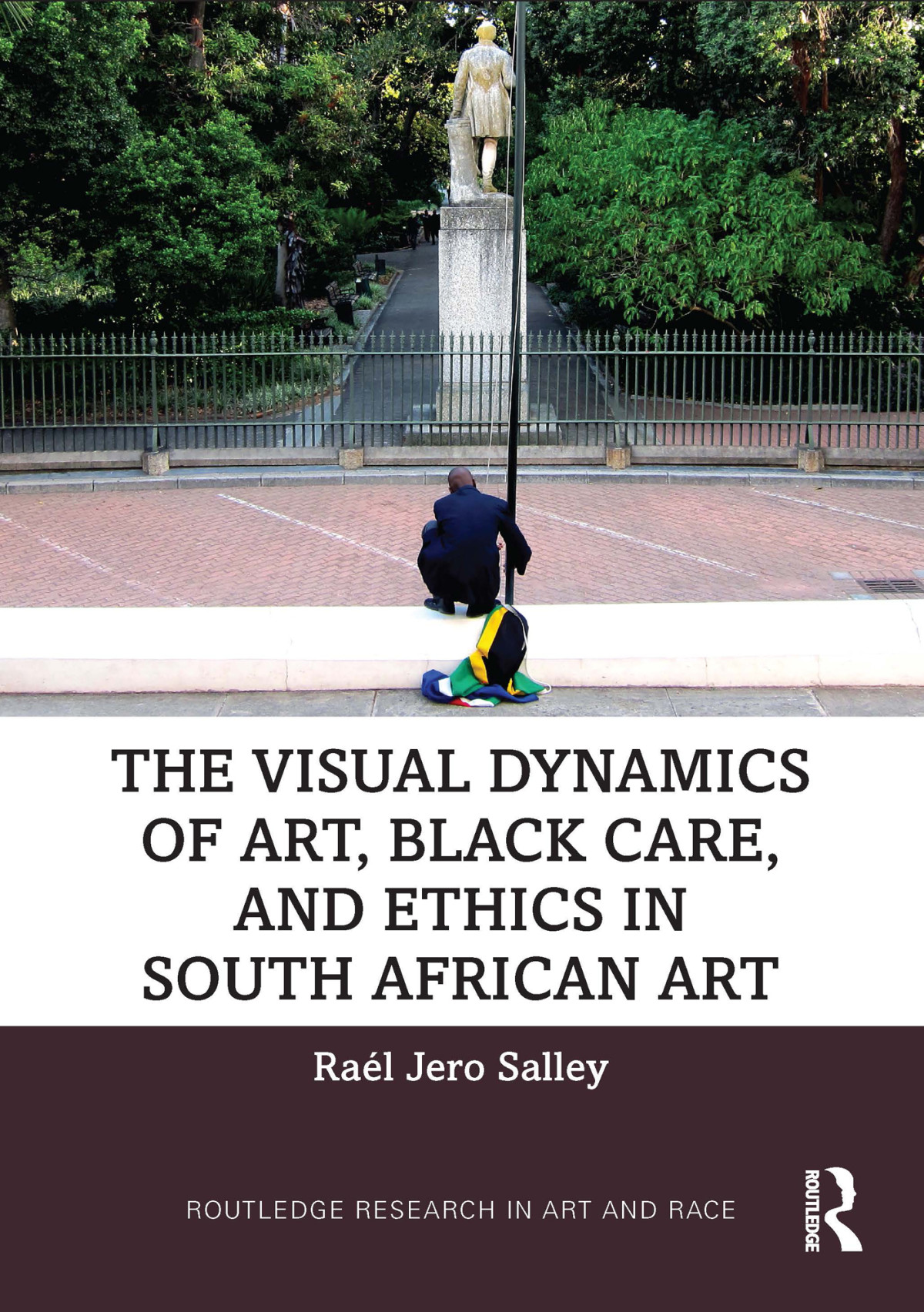
41 reviewsNearly three decades after inaugurating political freedom in a democratic form, the infrastructure of South Africa faces palpable issues and challenges to the social fabric. The social tension involves painful struggles for decolonization and violent debates about the removal of colonial statues, change of colonial names, transformation of universities, and curriculum change. This book does critical work in art history, theory, criticism, and visual culture by looking from and looking after social differences to interpret the potential impact of contemporary media and mediation. Artists examined include Zanele Muholi, Mohau Modisekeng, Dineo Seshee Bopape, Hasan and Husain Essop, and Kemang Wa Lehulere.
This book will be of interest to scholars working in art history, contemporary art, visual culture, art theory, ethics, aesthetics, philosophy of art, and African studies.
4.6
29 reviews
5.0
13 reviews
4.4
32 reviews
4.6
6 reviews
4.7
33 reviews
5.0
16 reviews