Most ebook files are in PDF format, so you can easily read them using various software such as Foxit Reader or directly on the Google Chrome browser.
Some ebook files are released by publishers in other formats such as .awz, .mobi, .epub, .fb2, etc. You may need to install specific software to read these formats on mobile/PC, such as Calibre.
Please read the tutorial at this link. https://ebooknice.com/page/post?id=faq
We offer FREE conversion to the popular formats you request; however, this may take some time. Therefore, right after payment, please email us, and we will try to provide the service as quickly as possible.
For some exceptional file formats or broken links (if any), please refrain from opening any disputes. Instead, email us first, and we will try to assist within a maximum of 6 hours.
EbookNice Team
Status:
Available4.7
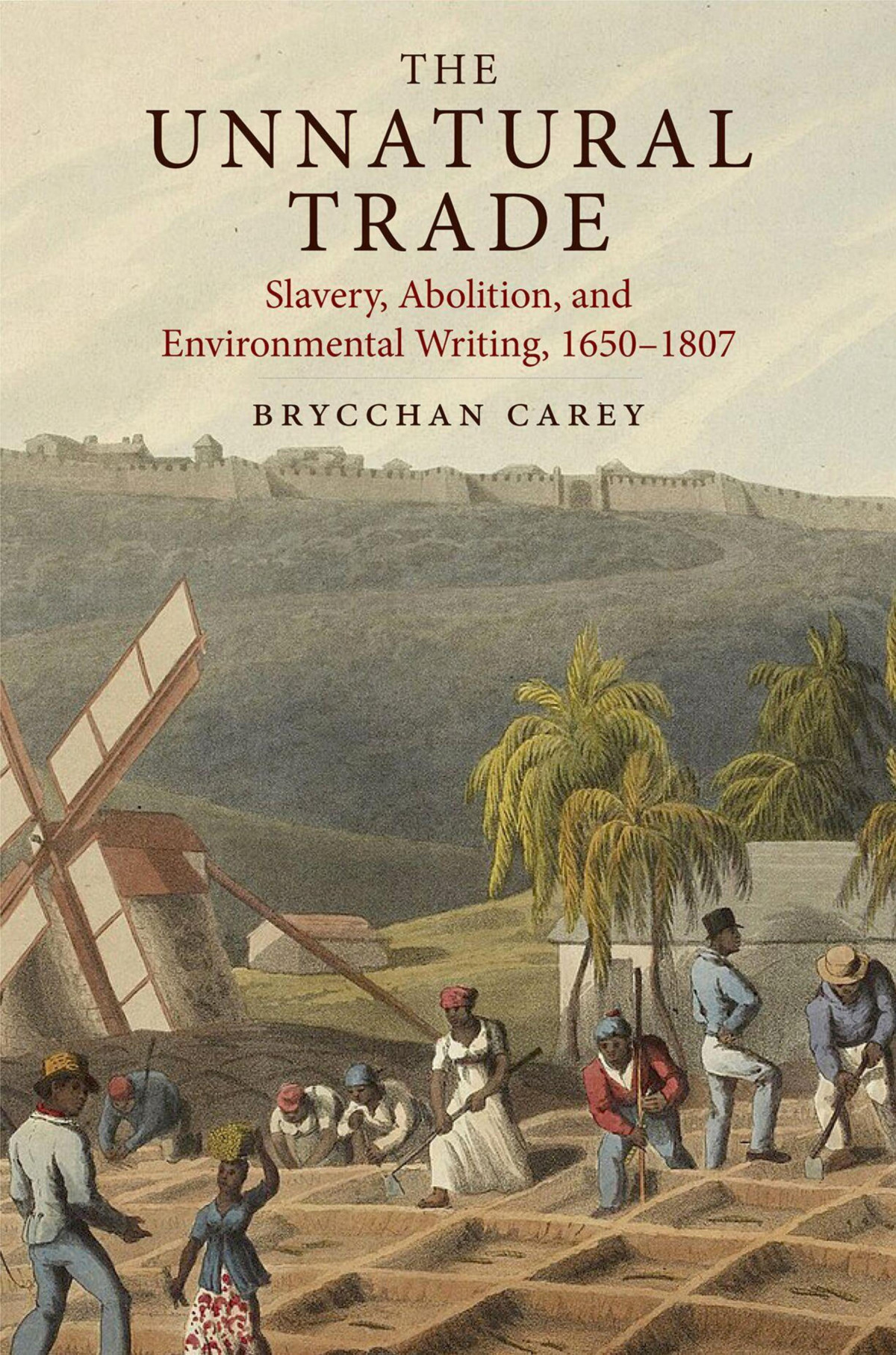
12 reviewsHow did late eighteenth-century British abolitionists come to view the slave trade and British colonial slavery as unnatural, a “dread perversion” of nature? Focusing on slavery in the Americas, and the Caribbean in particular, alongside travelers’ accounts of West Africa, Brycchan Carey shows that before the mid-eighteenth century, natural histories were a primary source of information about slavery for British and colonial readers. These natural histories were often ambivalent toward slavery, but they increasingly adopted a proslavery stance to accommodate the needs of planters by representing slavery as a “natural” phenomenon. From the mid-eighteenth century, abolitionists adapted the natural history form to their own writings, and many naturalists became associated with the antislavery movement.
Carey draws on descriptions of slavery and the slave trade created by naturalists and other travelers with an interest in natural history, including Richard Ligon, Hans Sloane, Griffith Hughes, Samuel Martin, and James Grainger. These environmental writings were used by abolitionists such as Anthony Benezet, James Ramsay, Thomas Clarkson, and Olaudah Equiano to build a compelling case that slavery was unnatural, a case that was popularized by abolitionist poets such as Thomas Day, Edward Rushton, Hannah More, and William Cowper.
4.4
19 reviews
4.5
37 reviews
4.4
5 reviews
4.8
33 reviews
4.7
41 reviews
4.4
29 reviews
5.0
39 reviews