logo
Product categories

EbookNice.com

Most ebook files are in PDF format, so you can easily read them using various software such as Foxit Reader or directly on the Google Chrome browser.
Some ebook files are released by publishers in other formats such as .awz, .mobi, .epub, .fb2, etc. You may need to install specific software to read these formats on mobile/PC, such as Calibre.

Please read the tutorial at this link.  https://ebooknice.com/page/post?id=faq


We offer FREE conversion to the popular formats you request; however, this may take some time. Therefore, right after payment, please email us, and we will try to provide the service as quickly as possible.


For some exceptional file formats or broken links (if any), please refrain from opening any disputes. Instead, email us first, and we will try to assist within a maximum of 6 hours.

EbookNice Team
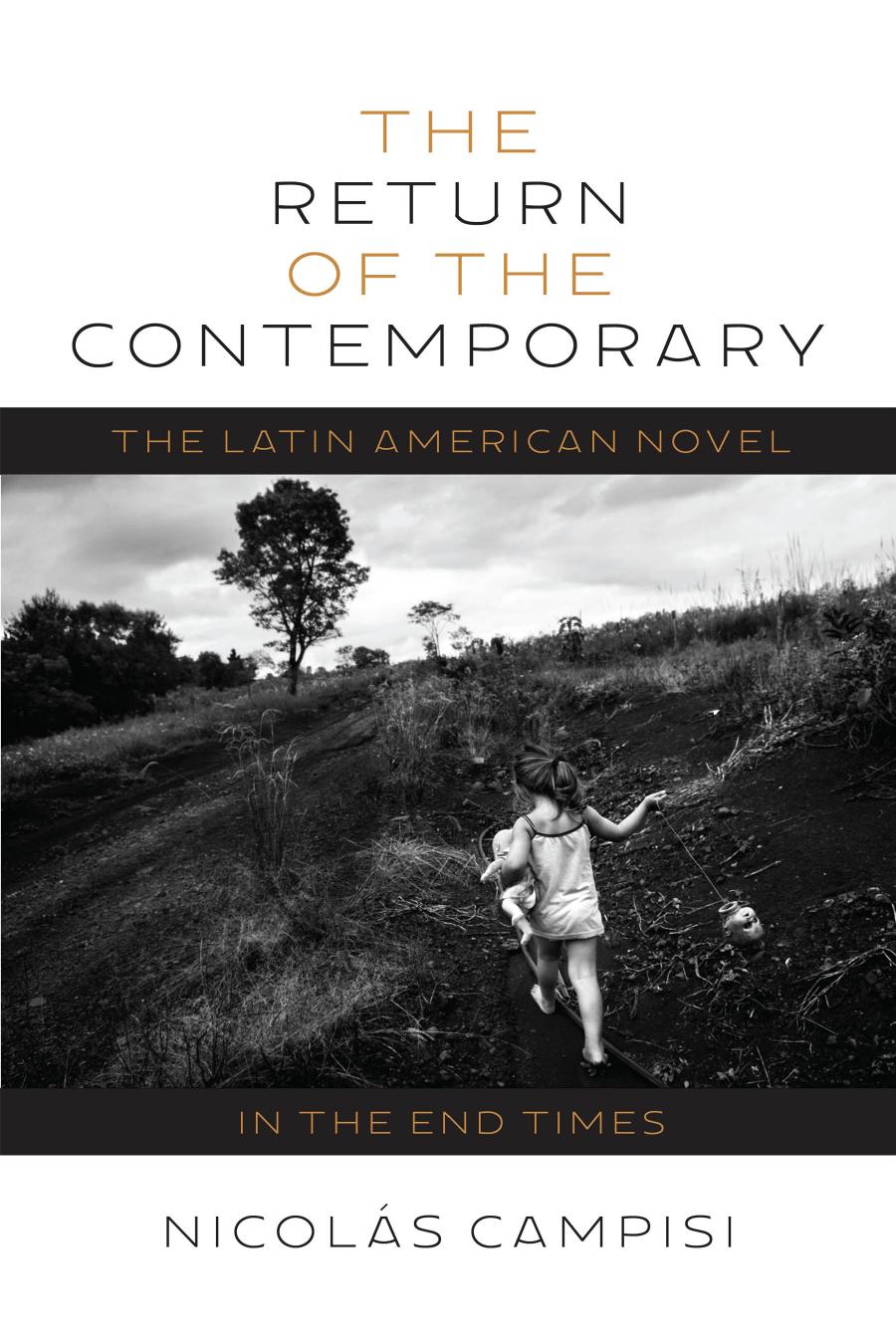
The Return of the Contemporary : The Latin American Novel in the End Times by Nicolás Campisi ISBN 9780822948391, 0822948397 instant download

  • SKU: EBN-236595716
Zoomable Image
$ 32 $ 40 (-20%)

Status:

Available

0.0

0 reviews
Instant download (eBook) The Return of the Contemporary : The Latin American Novel in the End Times after payment.
Authors:Nicolás Campisi
Pages:272 pages
Year:2024
Edition:1st
Publisher:University of Pittsburgh Press
Language:english
File Size:1.74 MB
Format:pdf
ISBNS:9780822948391, 0822948397
Categories: Ebooks

Product desciption

The Return of the Contemporary : The Latin American Novel in the End Times by Nicolás Campisi ISBN 9780822948391, 0822948397 instant download

In The Return of the Contemporary, Nicolás Campisi combines the fields of post-dictatorship studies and environmental humanities to analyze Latin American cultural production in the neoliberal age. Each chapter pairs two authors from different parts of Latin America and the Caribbean who create a common vocabulary in which to frame the various crises of the region’s present and recent past, such as climate change, forced migration, the collapse of state institutions, and the afterlives of slavery. By situating his argument at the intersection of ecocritical and environmental humanities, affect studies, and the politics of memory and postmemory, Campisi presents new comparative methods to show how Latin America’s neoliberal crisis prompted significant changes in how the novel as a form imagines a different future.
*Free conversion of into popular formats such as PDF, DOCX, DOC, AZW, EPUB, and MOBI after payment.

Related Products