logo
Product categories

EbookNice.com

Most ebook files are in PDF format, so you can easily read them using various software such as Foxit Reader or directly on the Google Chrome browser.
Some ebook files are released by publishers in other formats such as .awz, .mobi, .epub, .fb2, etc. You may need to install specific software to read these formats on mobile/PC, such as Calibre.

Please read the tutorial at this link.  https://ebooknice.com/page/post?id=faq


We offer FREE conversion to the popular formats you request; however, this may take some time. Therefore, right after payment, please email us, and we will try to provide the service as quickly as possible.


For some exceptional file formats or broken links (if any), please refrain from opening any disputes. Instead, email us first, and we will try to assist within a maximum of 6 hours.

EbookNice Team
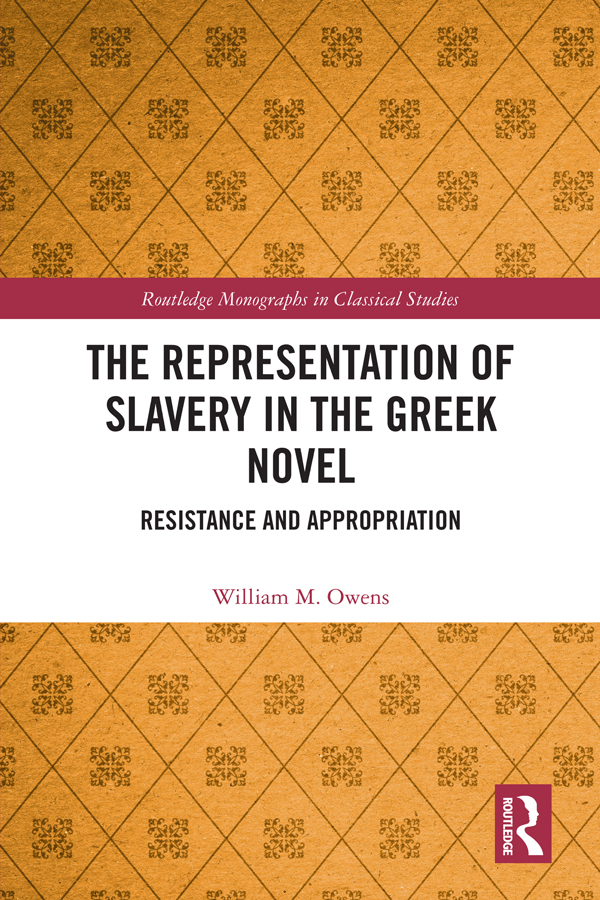
The Representation of Slavery in the Greek Novel; Resistance and Appropriation by William M. Owens instant download

  • SKU: EBN-237360682
Zoomable Image
$ 32 $ 40 (-20%)

Status:

Available

4.7

33 reviews
Instant download (eBook) The Representation of Slavery in the Greek Novel; Resistance and Appropriation after payment.
Authors:William M. Owens
Pages:updating ...
Year:2020
Publisher:Routledge
Language:english
File Size:2.37 MB
Format:epub
Categories: Ebooks

Product desciption

The Representation of Slavery in the Greek Novel; Resistance and Appropriation by William M. Owens instant download

This volume offers the first comprehensive treatment of how the five canonical Greek novels represent slaves and slavery. In each novel, one or both elite protagonists are enslaved, and Owens explores the significance of the genre’s regular social degradation of these members of the elite. Reading the novels in the context of social attitudes and stereotypes about slaves, Owens argues for an ideological division within the genre: the earlier novelists, Xenophon of Ephesus and Chariton, challenge and undermine elite stereotypes; the three later novelists, Longus, Achilles Tatius, and Heliodorus, affirm them. The critique of elite thinking about slavery in Xenophon and Chariton opens the possibility that these earlier authors and their readers included literate ex-slaves. The interests and needs of these authors and their readers shaped the emerging genre and not only made the protagonists’ slavery a key motif but also made slavery itself a theme that helped define the genre. The Representation of Slavery in the Greek Novel will be of interest not only to students of the ancient novel but also to anyone working on slavery in the ancient world.
*Free conversion of into popular formats such as PDF, DOCX, DOC, AZW, EPUB, and MOBI after payment.

Related Products