
Most ebook files are in PDF format, so you can easily read them using various software such as Foxit Reader or directly on the Google Chrome browser.
Some ebook files are released by publishers in other formats such as .awz, .mobi, .epub, .fb2, etc. You may need to install specific software to read these formats on mobile/PC, such as Calibre.
Please read the tutorial at this link. https://ebooknice.com/page/post?id=faq
We offer FREE conversion to the popular formats you request; however, this may take some time. Therefore, right after payment, please email us, and we will try to provide the service as quickly as possible.
For some exceptional file formats or broken links (if any), please refrain from opening any disputes. Instead, email us first, and we will try to assist within a maximum of 6 hours.
EbookNice Team
Status:
Available4.8
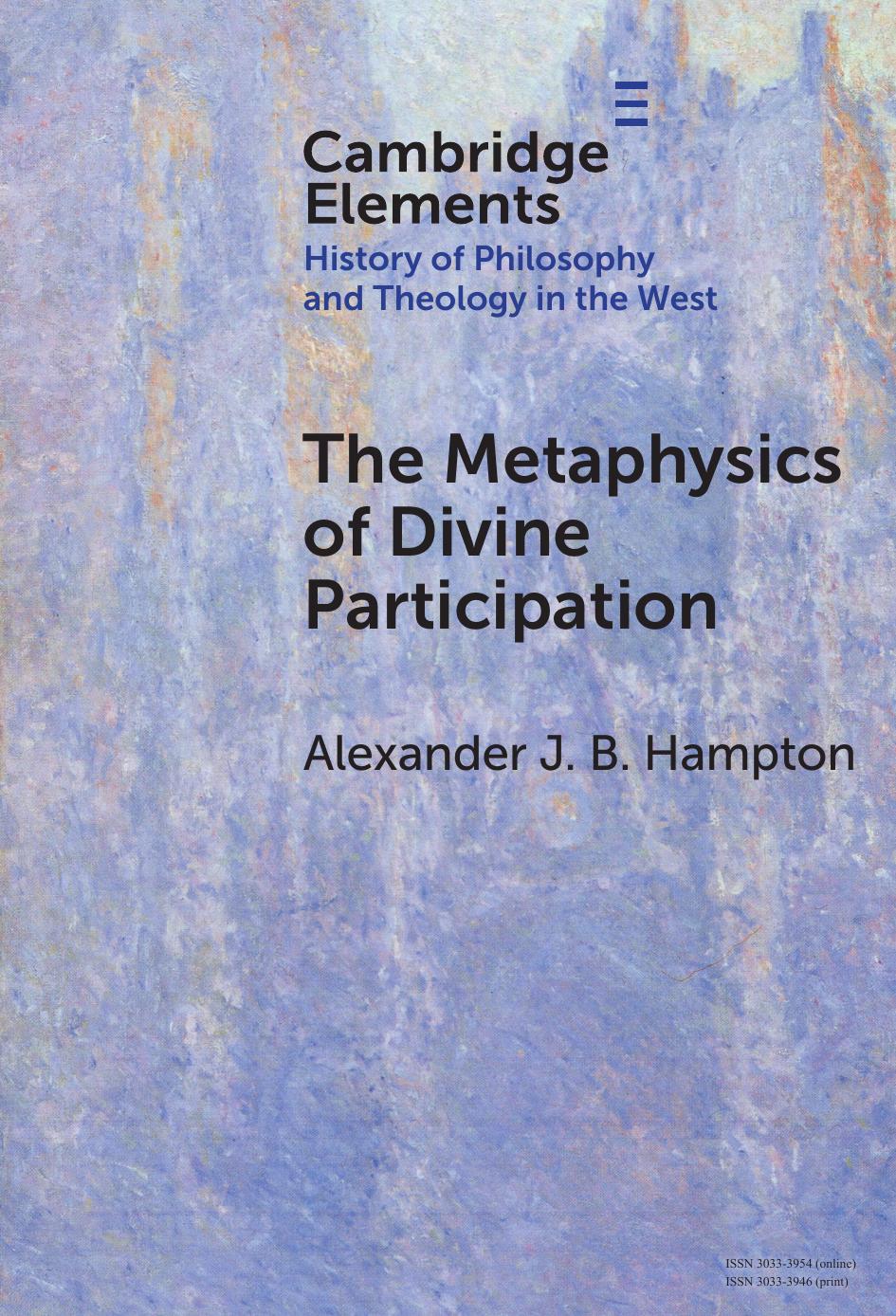
26 reviewsParticipation has been central to the story of Western philosophy and theology for at least two millennia. It has been employed to conceptualise the relationship between God and creation, between universals and particulars, and between the One and the many. This Element approaches the concept systematically to acquire an appreciation of its breadth and depth under four fundamental themes: creation and the divine ideas, incarnation and salvation, being and multiplicity, and the human activities of naming, knowing and making. In doing so it examines some of the key thinkers in the participatory tradition, including Augustine, Irenaeus, Aquinas and Nicholas of Cusa. Readers will be introduced to the key contours and manifestations of participatory metaphysics, and its role in Christianity's self-articulation. Together, these considerations will demonstrate how the metaphysics of participation has shaped the Christian tradition.
5.0
15 reviews
4.8
19 reviews

4.7
8 reviews
4.3
13 reviews
4.7
37 reviews
5.0
15 reviews
4.5
10 reviews
4.6
14 reviews
4.6
27 reviews