
Most ebook files are in PDF format, so you can easily read them using various software such as Foxit Reader or directly on the Google Chrome browser.
Some ebook files are released by publishers in other formats such as .awz, .mobi, .epub, .fb2, etc. You may need to install specific software to read these formats on mobile/PC, such as Calibre.
Please read the tutorial at this link. https://ebooknice.com/page/post?id=faq
We offer FREE conversion to the popular formats you request; however, this may take some time. Therefore, right after payment, please email us, and we will try to provide the service as quickly as possible.
For some exceptional file formats or broken links (if any), please refrain from opening any disputes. Instead, email us first, and we will try to assist within a maximum of 6 hours.
EbookNice Team
Status:
Available0.0
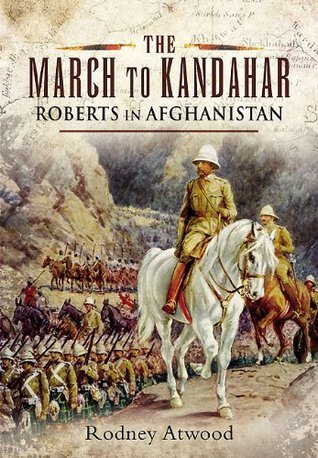
0 reviewsThe story of the British commander who led a three-hundred-mile march from Kabul to Kandahar and became the toast of Victorian England. This book examines the role of Frederick Roberts in the Second Anglo-Afghan War, culminating in his famous march in 1880 with ten thousand British and Indian soldiers, covering three hundred miles in twenty-three days, from Kabul to Kandahar to defeat the Afghan army of Ayub Khan, pretender to the Amirship of Kabul. The march made Roberts one of late Victorian England’s great military heroes, partly because of the achievement itself, partly because the victory restored British prestige after defeat, and finally because of Roberts’ astute use of the press to puff his victory. This overcame the earlier damage done to his reputation by the political storm that followed his hanging of over eighty Afghans in revenge for the massacre of a British envoy and his escort. It enabled the liberal Viceroy of India, Lord Ripon, to extract his forces from an Afghan imbroglio with prestige restored and an emir on the Afghan throne who for thirty-nine years maintained friendship with British India. Roberts (or Bobs as he was known) subsequently advanced to command the Indian Army, working closely with future viceroys to influence Indian defense policy on the North-West Frontier, and being hymned by Rudyard Kipling, poet of empire. His bestselling autobiography, Forty-One Years in India, established his image before the British public and he remains one of Britain’s best known, if least understood, military figures
4.5
39 reviews
4.7
25 reviews
4.3
26 reviews
5.0
40 reviews
4.7
33 reviews
4.7
40 reviews