
Most ebook files are in PDF format, so you can easily read them using various software such as Foxit Reader or directly on the Google Chrome browser.
Some ebook files are released by publishers in other formats such as .awz, .mobi, .epub, .fb2, etc. You may need to install specific software to read these formats on mobile/PC, such as Calibre.
Please read the tutorial at this link. https://ebooknice.com/page/post?id=faq
We offer FREE conversion to the popular formats you request; however, this may take some time. Therefore, right after payment, please email us, and we will try to provide the service as quickly as possible.
For some exceptional file formats or broken links (if any), please refrain from opening any disputes. Instead, email us first, and we will try to assist within a maximum of 6 hours.
EbookNice Team
Status:
Available4.6
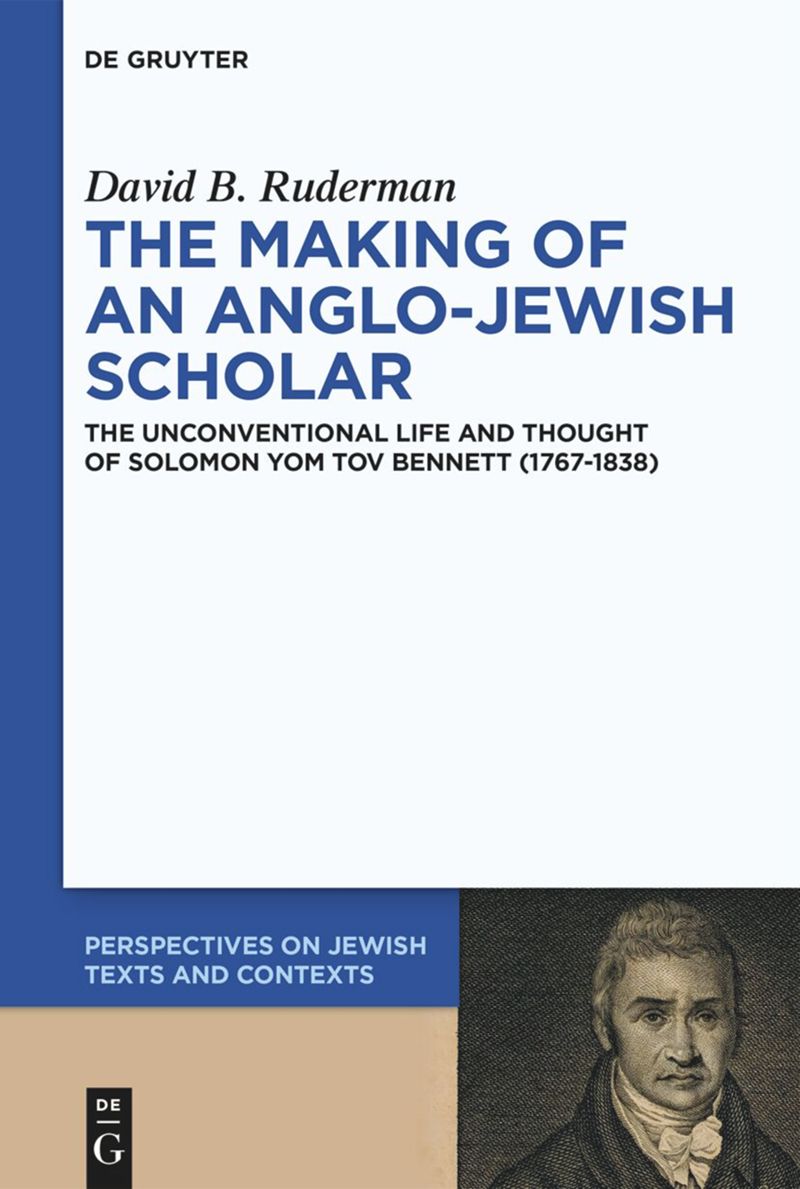
28 reviewsThis book is a study of the life and thought of the Polish Jew Solomon Yom Tov Bennett (1767-1838), who immigrated to London where he spent the last forty years of his life. In focusing on Bennett’s learned life, it underscores the significance of this singular writer, artist, and public figure, especially his remarkable dual interests in art and thought, his biblical scholarship, his social and intellectual connections with some of the most famous and accomplished Christian intellectuals of London, and his self-determination to complete his life-long ambition of serving Western civilization by correcting and rewriting the entire standard edition of the English Old Testament.
Bennett’s Christian associates respected his learning and were willing to accept him as a Jew in their ranks. His integration into the upper echelons of the Christian literary establishment—dukes, jurists, theologians, and other scholars—did not impede his loyalty to his faith. On the contrary, Bennett’s Christian friends made him more Jewish, more convinced of Judaism’s moral force, and more secure in his own skin as a member of a proud minority among Christian elites supposedly liberated, so he hoped, from the dark hostility of the Christian past. His supreme act of translating the Bible constituted the ultimate payback he could offer the altruistic Christians he had met, open to welcoming him not despite his Jewishness but because of it. Bennett’s transformation from a Polish Jewish immigrant to a proud Anglo-Jew exemplifies a unique path of modern Jewish life and self-reflection, one ultimately shaped by the particular ambiance of his newly adopted country.
4.5
14 reviews
4.7
26 reviews
4.6
18 reviews

4.4
18 reviews

4.8
39 reviews
4.6
41 reviews
5.0
10 reviews