
Most ebook files are in PDF format, so you can easily read them using various software such as Foxit Reader or directly on the Google Chrome browser.
Some ebook files are released by publishers in other formats such as .awz, .mobi, .epub, .fb2, etc. You may need to install specific software to read these formats on mobile/PC, such as Calibre.
Please read the tutorial at this link. https://ebooknice.com/page/post?id=faq
We offer FREE conversion to the popular formats you request; however, this may take some time. Therefore, right after payment, please email us, and we will try to provide the service as quickly as possible.
For some exceptional file formats or broken links (if any), please refrain from opening any disputes. Instead, email us first, and we will try to assist within a maximum of 6 hours.
EbookNice Team
Status:
Available0.0
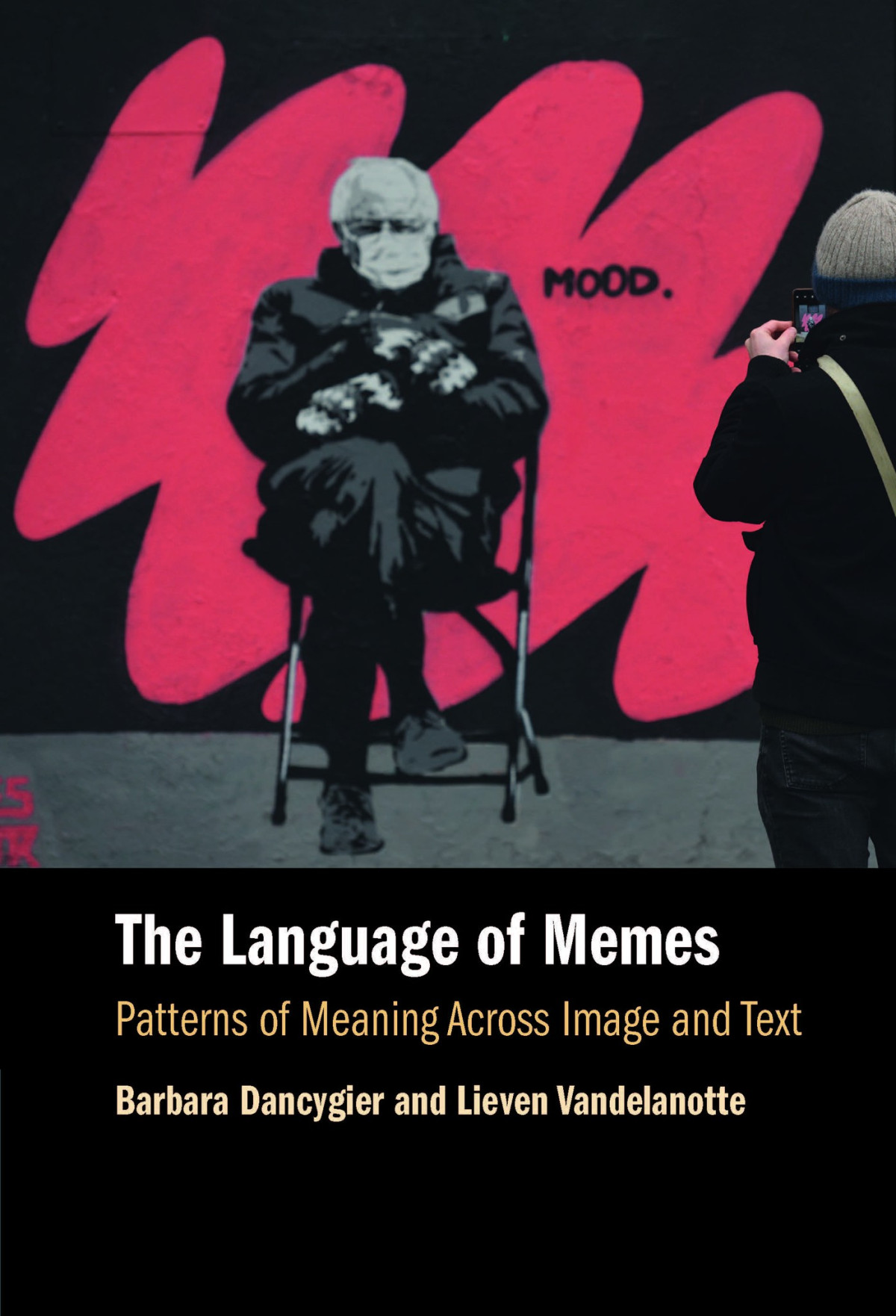
0 reviewsInternet memes have been studied widely for their role in establishing and maintaining social relationships, and shaping public opinion, online. However, they are also a prominent and fast evolving multimodal genre, one which calls for an in-depth linguistic analysis. This book, the first of its kind, develops the analytical tools necessary to describe and understand contemporary 'image-plus-text' communication. It demonstrates how memes achieve meaning as multimodal artifacts, how they are governed by specific rules of composition and interpretation, and how such processes are driven by stance networks. It also defines a family of multimodal constructions in which images become structural components, while making language forms adjust to the emerging multimodal rules. Through analysis of several meme types, this approach defines the specificity of the memetic genre, describing established types, but also accounting for creative forms. In describing the 'grammar of memes', it provides a new model to approach multimodal genres.
Builds a new framework for language-based analysis of image-text artifacts, and shows how formal and interpretive aspects of memes inspire new forms in other multimodal artifacts (such as advertisements)
Introduces a classification of memetic patterns, illustrating it with a range of examples
Demonstrates the specific ways in which memetic (multimodal) forms are ruled-governed while leaving room for creativity
DOI: 10.1017/9781108950855
4.4
39 reviews
4.5
8 reviews
4.4
36 reviews
5.0
12 reviews
4.9
39 reviews
4.9
8 reviews

4.4
13 reviews