
logo
Product categories

EbookNice.com

Most ebook files are in PDF format, so you can easily read them using various software such as Foxit Reader or directly on the Google Chrome browser.
Some ebook files are released by publishers in other formats such as .awz, .mobi, .epub, .fb2, etc. You may need to install specific software to read these formats on mobile/PC, such as Calibre.

Please read the tutorial at this link.  https://ebooknice.com/page/post?id=faq


We offer FREE conversion to the popular formats you request; however, this may take some time. Therefore, right after payment, please email us, and we will try to provide the service as quickly as possible.


For some exceptional file formats or broken links (if any), please refrain from opening any disputes. Instead, email us first, and we will try to assist within a maximum of 6 hours.

EbookNice Team
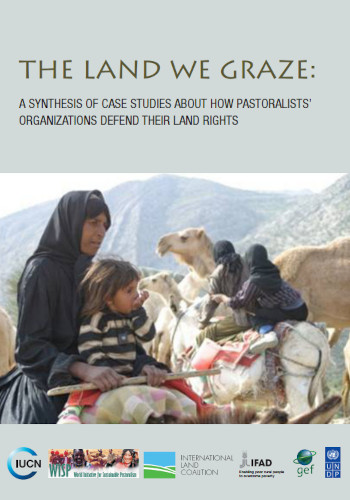
The land we graze: a synthesis of case studies about how pastoralists' organizations defend their land rights by International Union for Conservation of Nature and Natural Resources ISBN 9782831713441, 2831713447 instant download

  • SKU: EBN-235943684
Zoomable Image
$ 32 $ 40 (-20%)

Status:

Available

4.6

10 reviews
Instant download (eBook) The land we graze: a synthesis of case studies about how pastoralists' organizations defend their land rights after payment.
Authors:International Union for Conservation of Nature and Natural Resources
Pages:60 pages
Year:2011
Publisher:International Union for Conservation of Nature and Natural Resources
Language:english
File Size:2.63 MB
Format:pdf
ISBNS:9782831713441, 2831713447
Categories: Ebooks

Product desciption

The land we graze: a synthesis of case studies about how pastoralists' organizations defend their land rights by International Union for Conservation of Nature and Natural Resources ISBN 9782831713441, 2831713447 instant download

This report, based on 21 case-studies, from 17 countries in four continents, describes how pastoralists successfully defended / asserted their land rights. The question at the outset was what elements contribute to the success of pastoralists’ securing land rights and resources. 
-
The goal is to make the knowledge resulting from the case-studies accessible to a broad audience, including those pastoralists and their organizations themselves, involved NGOs, policy-makers and governmental agencies on all levels. The case-studies include different types of mobile livestock keeping—namely both transhumant and nomadic systems. 
-
Most are considered ‘typical’ pastoralist situations characterised by increasing competition on access to and use of resources; marginalization because of invisibility, prejudges and misunderstandings; and insecurity because of political and economic changes.
*Free conversion of into popular formats such as PDF, DOCX, DOC, AZW, EPUB, and MOBI after payment.

Related Products