
Most ebook files are in PDF format, so you can easily read them using various software such as Foxit Reader or directly on the Google Chrome browser.
Some ebook files are released by publishers in other formats such as .awz, .mobi, .epub, .fb2, etc. You may need to install specific software to read these formats on mobile/PC, such as Calibre.
Please read the tutorial at this link. https://ebooknice.com/page/post?id=faq
We offer FREE conversion to the popular formats you request; however, this may take some time. Therefore, right after payment, please email us, and we will try to provide the service as quickly as possible.
For some exceptional file formats or broken links (if any), please refrain from opening any disputes. Instead, email us first, and we will try to assist within a maximum of 6 hours.
EbookNice Team
Status:
Available0.0
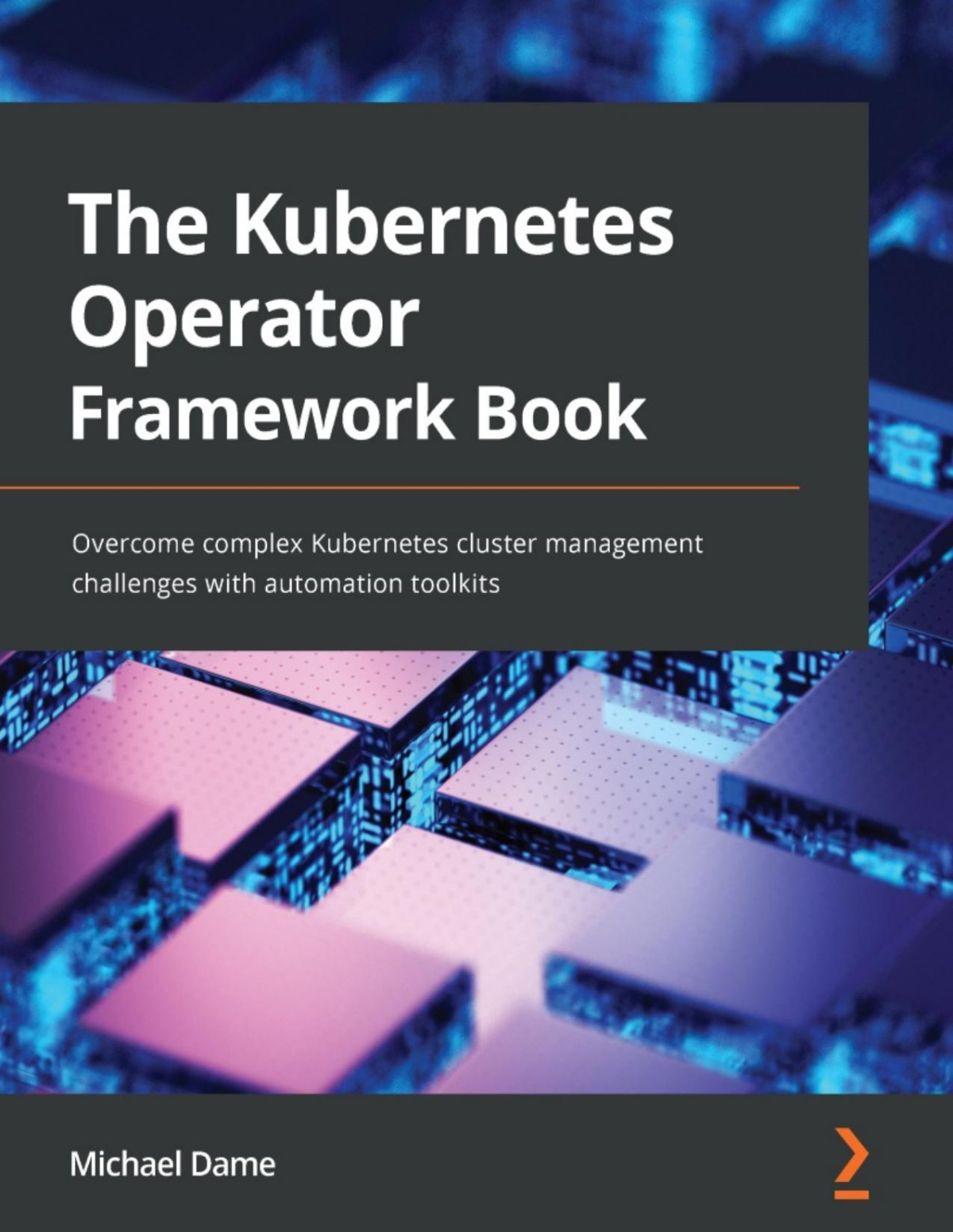
0 reviewsDesign and deploy an operator for personal use and public distribution and get to grips with writing, packaging, and distributing a basic operator for a Kubernetes cluster
Key FeaturesFrom incomplete collections of knowledge and varying design approaches to technical knowledge barriers, Kubernetes users face various challenges when developing their own operators. Knowing how to write, deploy, and pack operators makes cluster management automation much easier – and that's what this book is here to teach you.
Beginning with operators and Operator Framework fundamentals, the book delves into how the different components of Operator Framework (such as the Operator SDK, Operator Lifecycle Manager, and OperatorHub.io) are used to build operators. You'll learn how to write a basic operator, interact with a Kubernetes cluster in code, and distribute that operator to users. As you advance, you'll be able to develop a sample operator in the Go programming language using Operator SDK tools before running it locally with Operator Lifecycle Manager, and also learn how to package an operator bundle for distribution. The book covers best practices as well as sample applications and case studies based on real-world operators to help you implement the concepts you've learned.
By the end of this Kubernetes book, you'll be able to build and add application-specific operational logic to a Kubernetes cluster, making it easier to automate complex applications and augment the platform.
What you will learnThis book is for DevOps and cloud engineers, Kubernetes engineers, SREs, developers, and cloud architects interested in automating the management of their Kubernetes clusters. It assumes a basic understanding of core Kubernetes topics or familiarity with Kubernetes and container orchestration.


4.7
18 reviews
4.6
29 reviews
4.6
33 reviews

4.4
31 reviews
4.5
5 reviews
4.3
14 reviews