
Most ebook files are in PDF format, so you can easily read them using various software such as Foxit Reader or directly on the Google Chrome browser.
Some ebook files are released by publishers in other formats such as .awz, .mobi, .epub, .fb2, etc. You may need to install specific software to read these formats on mobile/PC, such as Calibre.
Please read the tutorial at this link. https://ebooknice.com/page/post?id=faq
We offer FREE conversion to the popular formats you request; however, this may take some time. Therefore, right after payment, please email us, and we will try to provide the service as quickly as possible.
For some exceptional file formats or broken links (if any), please refrain from opening any disputes. Instead, email us first, and we will try to assist within a maximum of 6 hours.
EbookNice Team
Status:
Available4.7
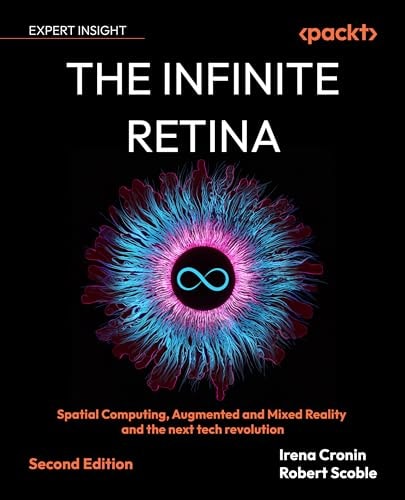
29 reviewsThis second edition has many substantial updates, including two new chapters on the relevance of Generative AI in Spatial Computing and a new chapter on the impact of Apple Vision Pro. Each existing chapter has been updated to have the most current information and commentary. The book offers a fresh look at seven major industries, including healthcare and retail, featuring updated case studies, expert commentary, and real-world examples. Additionally, it addresses crucial risks and challenges, such as data privacy, automation's impact on employment, and ethical concerns. This edition moves beyond speculation to critically analyze what Spatial Computing means for businesses and individuals today.
What you will learn
Explore how spatial computing is applied today, with examples from Apple, Meta, Tesla, and other major players
Analyze the economic and ethical challenges of spatial computing, including automation and privacy
Understand generative AI's influence on spatial computing, from creativity to automation
Investigate industry-specific case studies, from autonomous vehicles to retail and finance
Gain expert insights into industry trends, including potential career paths in the spatial computing revolution
Discover how virtual reality and augmented reality will change healthcare
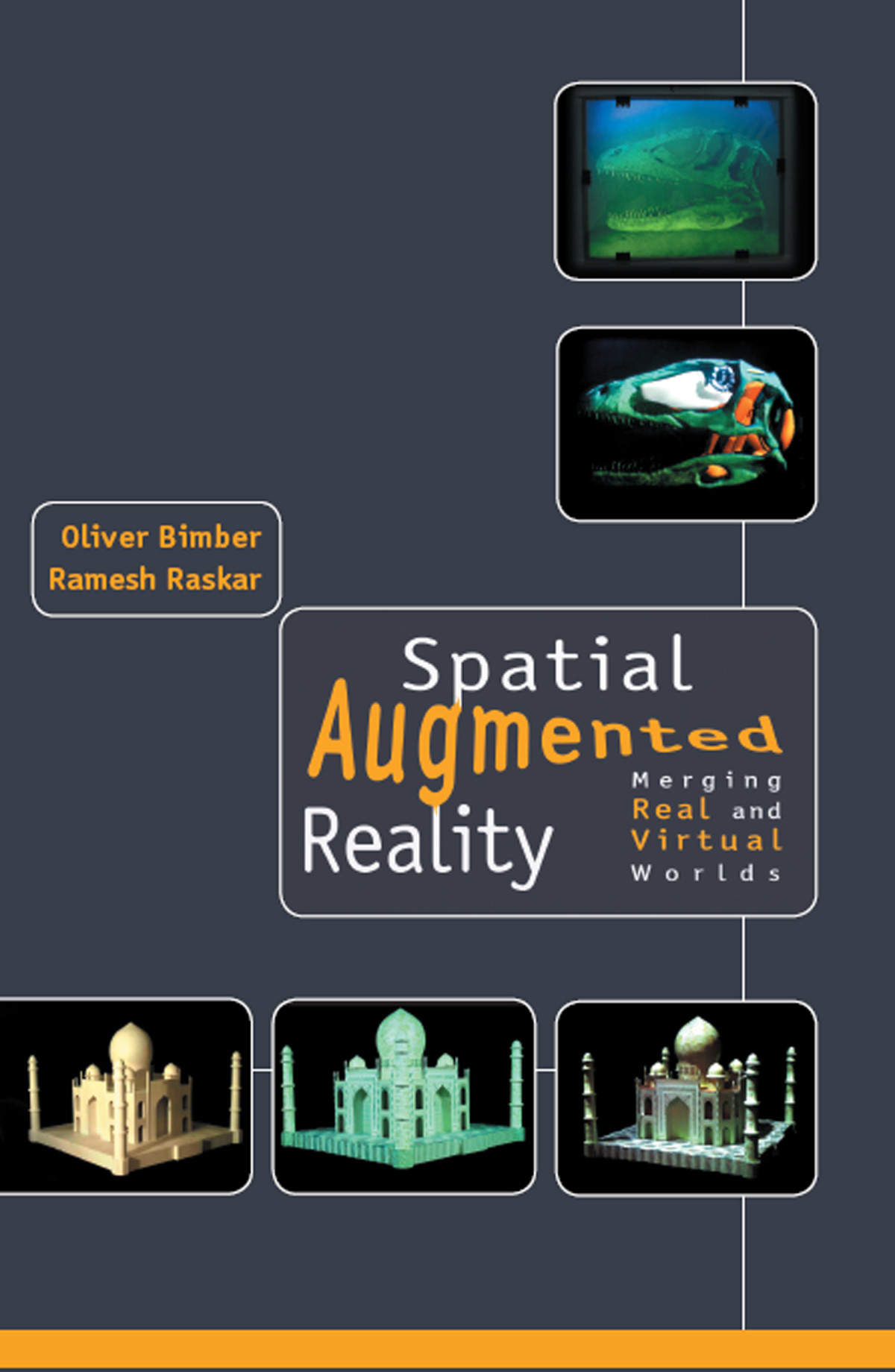
4.8
34 reviews
4.4
18 reviews
4.5
15 reviews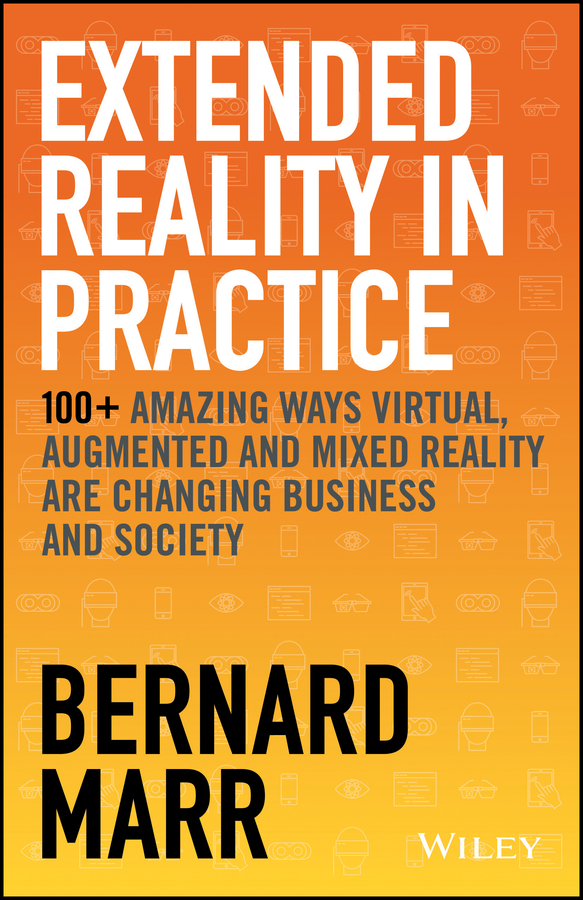
5.0
22 reviews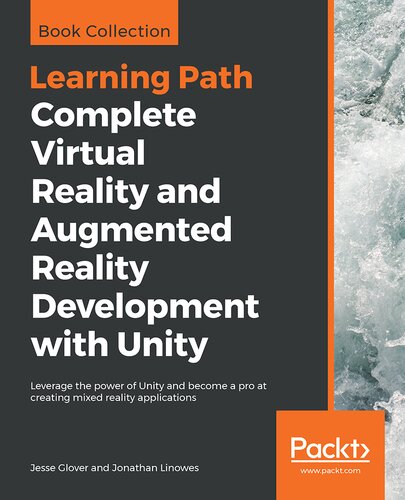
5.0
16 reviews
5.0
37 reviews
4.7
15 reviews