logo
Product categories

EbookNice.com

Most ebook files are in PDF format, so you can easily read them using various software such as Foxit Reader or directly on the Google Chrome browser.
Some ebook files are released by publishers in other formats such as .awz, .mobi, .epub, .fb2, etc. You may need to install specific software to read these formats on mobile/PC, such as Calibre.

Please read the tutorial at this link.  https://ebooknice.com/page/post?id=faq


We offer FREE conversion to the popular formats you request; however, this may take some time. Therefore, right after payment, please email us, and we will try to provide the service as quickly as possible.


For some exceptional file formats or broken links (if any), please refrain from opening any disputes. Instead, email us first, and we will try to assist within a maximum of 6 hours.

EbookNice Team
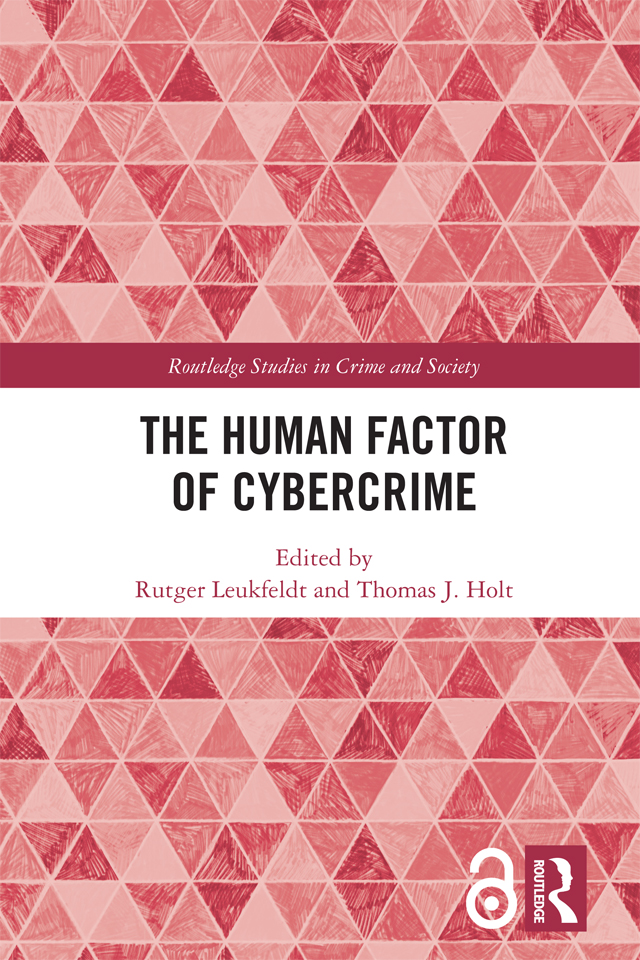
The Human Factor of Cybercrime by Rutger Leukfeldt; Thomas J. Holt instant download

  • SKU: EBN-237368102
Zoomable Image
$ 32 $ 40 (-20%)

Status:

Available

4.6

17 reviews
Instant download (eBook) The Human Factor of Cybercrime after payment.
Authors:Rutger Leukfeldt; Thomas J. Holt
Pages:updating ...
Year:2020
Publisher:Routledge
Language:english
File Size:3.91 MB
Format:epub
Categories: Ebooks

Product desciption

The Human Factor of Cybercrime by Rutger Leukfeldt; Thomas J. Holt instant download

Cybercrimes are often viewed as technical offences that require technical solutions, such as antivirus programs or automated intrusion detection tools. However, these crimes are committed by individuals or networks of people which prey upon human victims and are detected and prosecuted by criminal justice personnel. As a result, human decision-making plays a substantial role in the course of an offence, the justice response, and policymakers’ attempts to legislate against these crimes. This book focuses on the human factor in cybercrime: its offenders, victims, and parties involved in tackling cybercrime.
The distinct nature of cybercrime has consequences for the entire spectrum of crime and raises myriad questions about the nature of offending and victimization. For example, are cybercriminals the same as traditional offenders, or are there new offender types with distinct characteristics and motives? What foreground and situational characteristics influence the decision-making process of offenders? Which personal and situational characteristics provide an increased or decreased risk of cybercrime victimization? This book brings together leading criminologists from around the world to consider these questions and examine all facets of victimization, offending, offender networks, and policy responses.
*Free conversion of into popular formats such as PDF, DOCX, DOC, AZW, EPUB, and MOBI after payment.

Related Products