Most ebook files are in PDF format, so you can easily read them using various software such as Foxit Reader or directly on the Google Chrome browser.
Some ebook files are released by publishers in other formats such as .awz, .mobi, .epub, .fb2, etc. You may need to install specific software to read these formats on mobile/PC, such as Calibre.
Please read the tutorial at this link. https://ebooknice.com/page/post?id=faq
We offer FREE conversion to the popular formats you request; however, this may take some time. Therefore, right after payment, please email us, and we will try to provide the service as quickly as possible.
For some exceptional file formats or broken links (if any), please refrain from opening any disputes. Instead, email us first, and we will try to assist within a maximum of 6 hours.
EbookNice Team
Status:
Available0.0
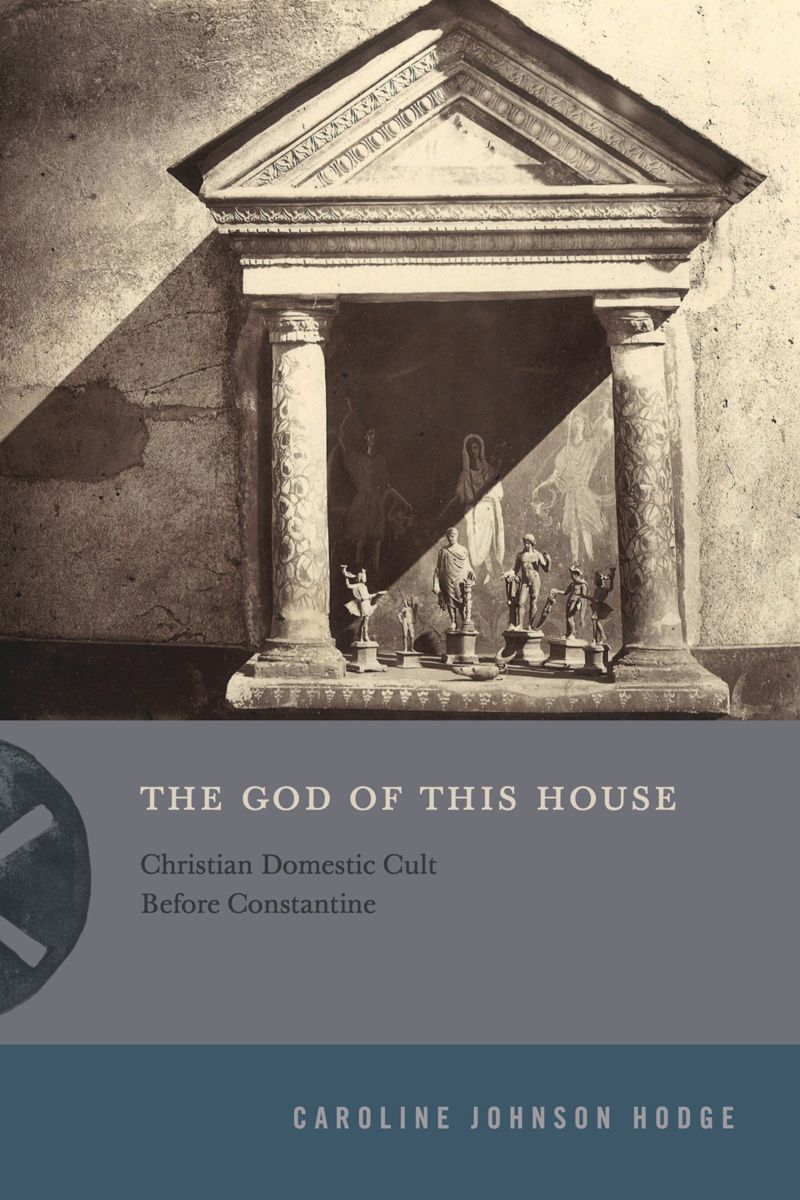
0 reviewsAuthor Caroline Johnson Hodge fills this gap, shifting our attention from liturgical settings to religion as it was lived outside the prescriptions of congregations. Through a careful reading of the material record alongside print sources, Johnson Hodge shows that in the first through the early fourth centuries, Christians developed household rituals akin to traditional domestic cult practices around the Roman Empire, and this continuity contributed to the success of the new cult in the Roman world. Rather than a well-organized, universal domestic cult, Johnson Hodge finds that practices were flexible and varied, ranging widely from established household observances to unauthorized rituals, gravesite venerations, and the unpatrolled movements of women and slaves. Just as important as the official representations were the small gestures at hearths and doorways, the myriad ways in which followers of Christ incorporated their divine beings into the rituals of their households, shops, and tombs.
In bringing the lived-religion approach to bear on this formative period, Johnson Hodge’s study offers a fascinating portrait of a very “pagan” world within ancient Christianity. This book will be especially valuable to religious studies scholars and others interested in the origins of Christianity.
Shows how early Christians developed household cult practices by adapting traditional worship and how this practice contributed to the success of this new cult.
Most scholars have defined Christianity historically, have been trained to see Christianity as a series of doctrines, beliefs, and official rituals. Studying everyday practices offers a new way to understand the development of this new cult.
Johnson Hodge uses a lot of archaeological sources to anchor

4.6
7 reviews
4.7
19 reviews
4.4
23 reviews
4.5
15 reviews

4.3
37 reviews