
Most ebook files are in PDF format, so you can easily read them using various software such as Foxit Reader or directly on the Google Chrome browser.
Some ebook files are released by publishers in other formats such as .awz, .mobi, .epub, .fb2, etc. You may need to install specific software to read these formats on mobile/PC, such as Calibre.
Please read the tutorial at this link. https://ebooknice.com/page/post?id=faq
We offer FREE conversion to the popular formats you request; however, this may take some time. Therefore, right after payment, please email us, and we will try to provide the service as quickly as possible.
For some exceptional file formats or broken links (if any), please refrain from opening any disputes. Instead, email us first, and we will try to assist within a maximum of 6 hours.
EbookNice Team
Status:
Available4.5
9 reviewsA FOREIGN AFFAIRS BEST BOOK OF 2024
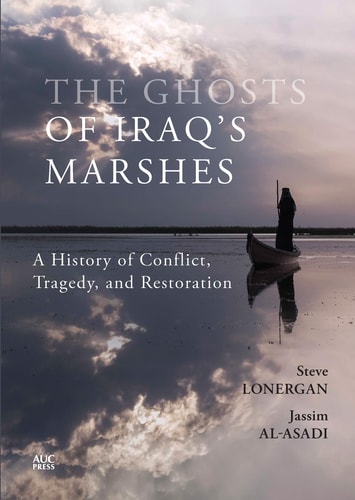
The Mesopotamian Marshes in southern Iraq, once the largest wetland system on the planet, have been inhabited for thousands of years by the Ma‘dan, or Marsh Arabs, but they remain remote, isolated, and virtually unknown. In the early 1990s, the Saddam Hussein regime drained the Marshes and set out to destroy not only a critical ecosystem but a unique way of life as well. It stands as one of the greatest environmental and humanitarian disasters of the twentieth century. In the wake of the 2003 US invasion of Iraq, local residents destroyed the earthen dams built to divert water from the wetlands and the Marshes were reflooded. Their future, however, is in peril.
The Ghosts of Iraq’s Marshes tells the history of the creation, destruction, and revitalization of the Marshes and their inhabitants against the backdrop of the dramatic events that have convulsed Iraq in the past fifty years. It follows the life of Jassim al-Asadi, an irrigation engineer who was jailed and tortured under Saddam Hussein and who subsequently dedicated his life to the reflooding and restoration of the Marshes. He eventually contributed to the Marshes being declared a UNESCO World Heritage site. Jassim is eminently relatable, and the stories of his life and other marsh dwellers are infused with pathos, tragedy, humor, and passion.

4.8
9 reviews

4.5
28 reviews

4.7
36 reviews
4.6
35 reviews
4.8
37 reviews
4.7
36 reviews
4.7
39 reviews