
Most ebook files are in PDF format, so you can easily read them using various software such as Foxit Reader or directly on the Google Chrome browser.
Some ebook files are released by publishers in other formats such as .awz, .mobi, .epub, .fb2, etc. You may need to install specific software to read these formats on mobile/PC, such as Calibre.
Please read the tutorial at this link. https://ebooknice.com/page/post?id=faq
We offer FREE conversion to the popular formats you request; however, this may take some time. Therefore, right after payment, please email us, and we will try to provide the service as quickly as possible.
For some exceptional file formats or broken links (if any), please refrain from opening any disputes. Instead, email us first, and we will try to assist within a maximum of 6 hours.
EbookNice Team
Status:
Available4.8
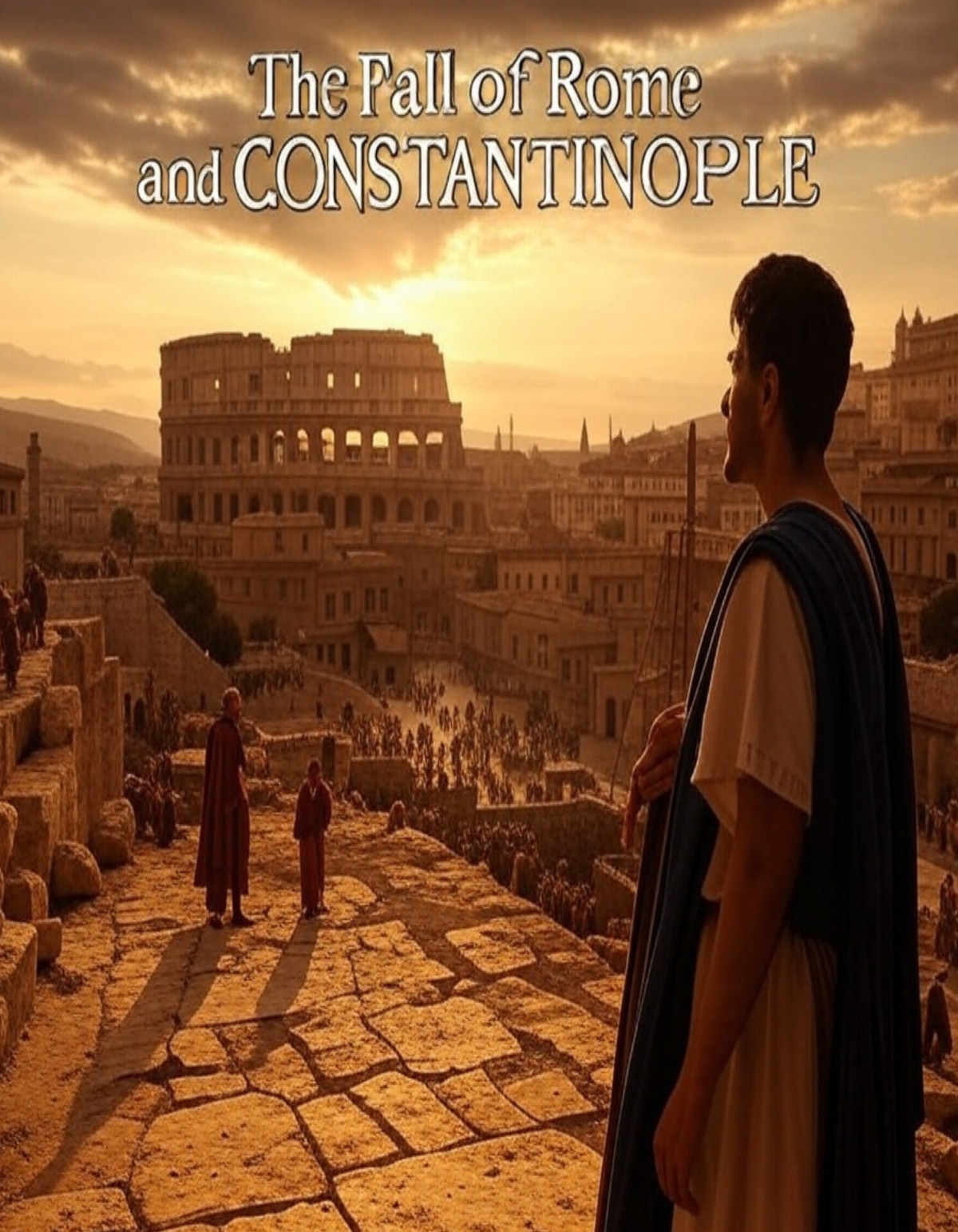
34 reviewsFor the people of the ancient Mediterranean and beyond, the city of Rome had been a symbol of power for centuries, and entering the early 5th century CE, the Eternal City hadn’t been taken by an enemy force since the Gauls had done it about 800 years, an unheard of period of tranquility in a world wracked with almost constant warfare.
Thus, when the Visigoths, whom the Romans considered uncultured and inferior, took the city of Rome and sacked it in 410, the world was stunned. It made theologians of the newly Christianized empire question God’s plan on Earth, and it encouraged many leading Romans to look east to Constantinople for their future. Indeed, the Western Roman Empire would completely collapse in the late 5th century, less than 70 years after the Visigoths sacked Rome, and just how it went from being a superpower to a poorly led, weak, and vulnerable shadow of its former self has preoccupied historians for centuries.
To this day, it remains difficult to trace just when the decline began, but it’s fair to say that the sack of Rome was the result of a number of factors that had been coalescing for many years. Only Roman arrogance kept the empire from seeing the grave peril its capital was in, which helped bring about the events leading up to the fall of Rome itself. The Latin phrase imperium sine fine (“empire without end”) neatly summed up not just the geographic reach of the mighty empire, but the feeling that it would never end. Nonetheless, little more than 300 years after the end of the Pax Romana, the Western Roman Empire had all but ceased to exist. During the same period, the population of the city of Rome itself declined from over a million people to less than 30,000. Within the walls of Rome, vast areas returned to pastureland and shepherds grazed their flocks in a surreal landscape where the ruins of structures representing the might of the empire, such as the Patheon, Colosseum and Theatre of Marcellus, rose above a barren vista of scrub and
...