Most ebook files are in PDF format, so you can easily read them using various software such as Foxit Reader or directly on the Google Chrome browser.
Some ebook files are released by publishers in other formats such as .awz, .mobi, .epub, .fb2, etc. You may need to install specific software to read these formats on mobile/PC, such as Calibre.
Please read the tutorial at this link. https://ebooknice.com/page/post?id=faq
We offer FREE conversion to the popular formats you request; however, this may take some time. Therefore, right after payment, please email us, and we will try to provide the service as quickly as possible.
For some exceptional file formats or broken links (if any), please refrain from opening any disputes. Instead, email us first, and we will try to assist within a maximum of 6 hours.
EbookNice Team
Status:
Available4.5
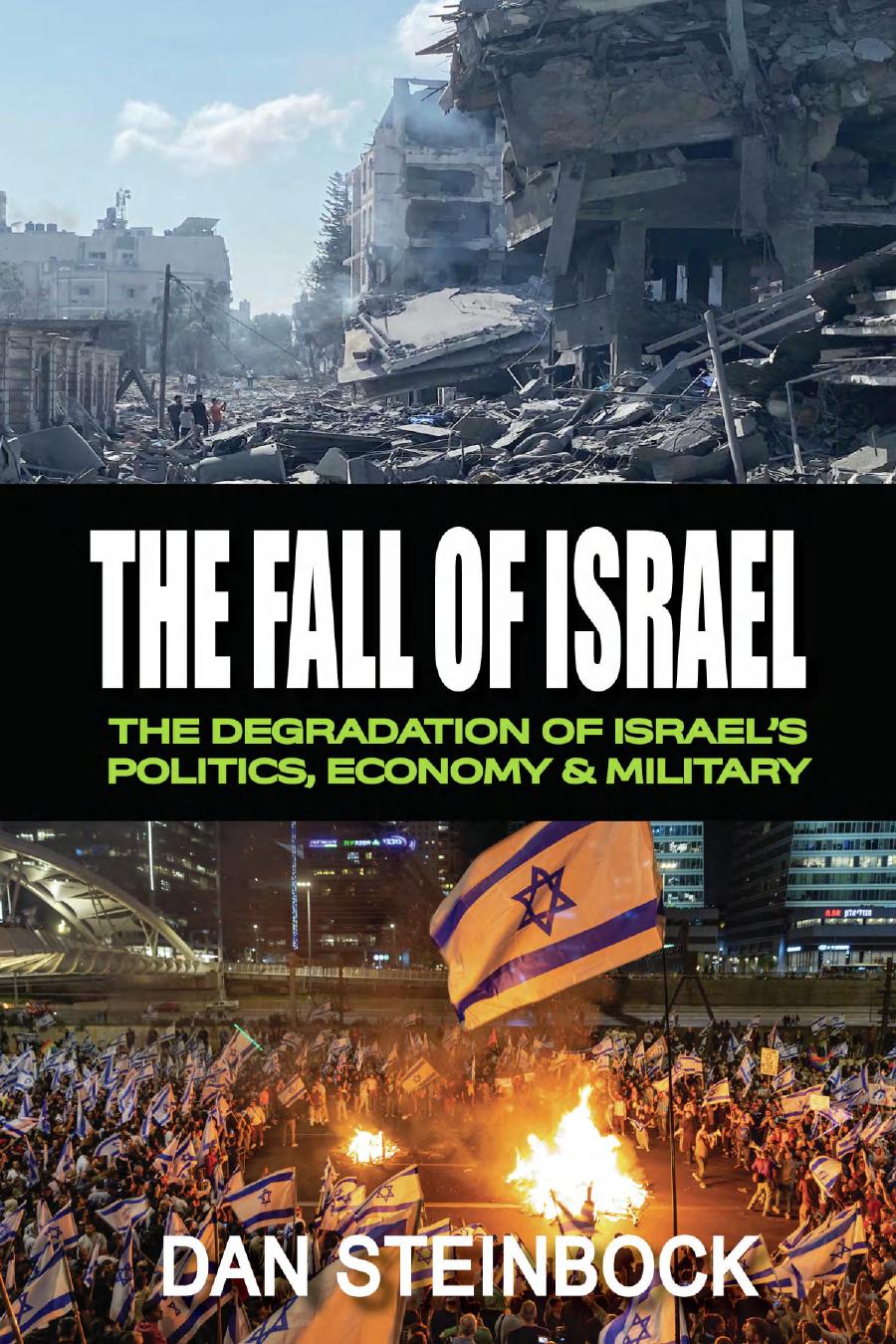
7 reviewsWhat makes The Fall of Israel unique is its comprehensive scope. It covers Israel's political, economic, social and military changes, the shifts in the Palestinian struggle for sovereignty, Israel's degradation into apartheid rule, the attendant atrocities, the regional and global reverberations and the human and economic costs, both prior and subsequent to Israel’s fatal war on Gaza. There, its nightmarish actions have led to the engagement of the International Court of Justice and the International Criminal Court, renewed international boycotts, and massive domestic and international protests.
The Fall of Israel outlines the central drivers of this simmering tinderbox: the serial expulsions of Palestinians, the expansion of Jewish settlements in the occupied territories, a half century of failed U.S. diplomacy in the Middle East and Israel’s militarization, enabled by the symbiotic bilateral ties with the U.S. and massive U.S. military aid. In the Gaza War, these ties fostered paradigms of devastation, such as the Dahiya doctrine and mass assassination factories, backed by pioneering artificial intelligence. The settlements have contributed to the destabilization of the broader region since the early 1970s, and are now compounding its politico-economic and geopolitical crisis.
This book addresses the efforts to institute a Jewish rather than a secular state. It shows how the postwar labor alignments were replaced by the hard-right coalitions, thanks to U.S. neoliberal economic policies, assertive neoconservatism and Jewish-American donors. It also explains the causes behind the rise of the Messianic far-right, centrist parties, and the failure

5.0
10 reviews
4.3
21 reviews
4.5
35 reviews
4.9
6 reviews
4.6
39 reviews
4.6
32 reviews
4.4
11 reviews