
Most ebook files are in PDF format, so you can easily read them using various software such as Foxit Reader or directly on the Google Chrome browser.
Some ebook files are released by publishers in other formats such as .awz, .mobi, .epub, .fb2, etc. You may need to install specific software to read these formats on mobile/PC, such as Calibre.
Please read the tutorial at this link. https://ebooknice.com/page/post?id=faq
We offer FREE conversion to the popular formats you request; however, this may take some time. Therefore, right after payment, please email us, and we will try to provide the service as quickly as possible.
For some exceptional file formats or broken links (if any), please refrain from opening any disputes. Instead, email us first, and we will try to assist within a maximum of 6 hours.
EbookNice Team
Status:
Available0.0
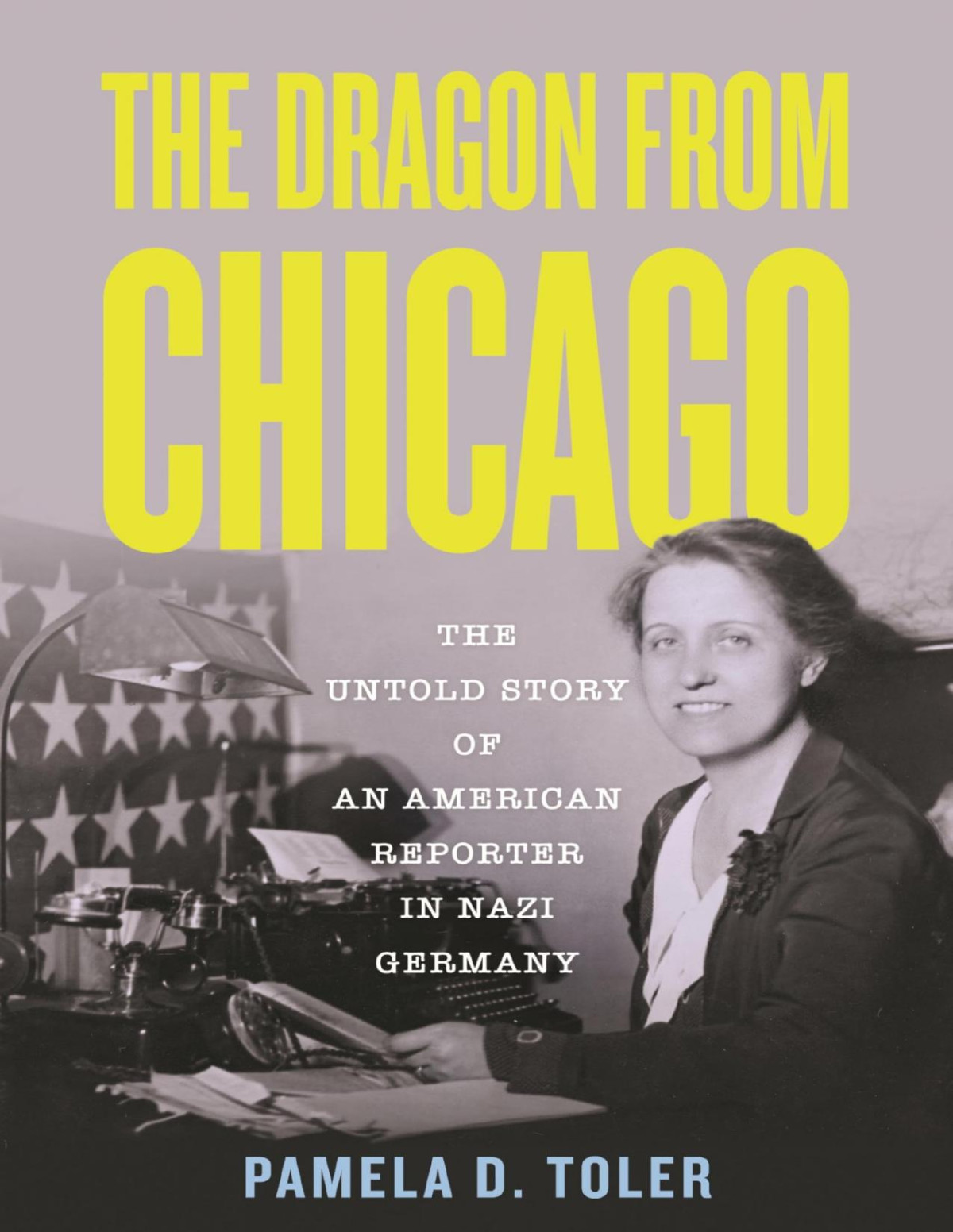
0 reviews**For fans of unheralded women’s stories, a captivating look at Sigrid Schultz—one of the earliest reporters to warn Americans of the rising threat of the Nazi regime
"Nessun altro corrispondente americano a Berlino sapeva così tanto di ciò che stava accadendo dietro le quinte come Sigrid Schultz." — William L. Shirer, autore di **The Rise and Fall of the Third Reich
Stiamo assistendo a un'allarmante recrudescenza della diffusione di disinformazione e ai tentativi da parte di personaggi potenti di screditare i fatti per poter prendere il controllo delle narrazioni. Sono minacce che la giornalista americana Sigrid Schultz conosceva fin troppo bene. The Chicago Tribune 's Berlin bureau chief and primary foreign correspondent for Central Europe from 1925 to January 1941, Schultz witnessed Hitler’s rise to power and was one of the first reporters—male or female—to warn American readers of the growing dangers of Nazism.
Nel Drago di Chicago , Pamela D. Toler draws on extensive archival research to unearth the largely forgotten story of Schultz’s years spent courageously reporting the news from Berlin, from the revolts of 1919 through the Nazi rise to power and Allied air raids over Berlin in 1941. At a time when women reporters rarely wrote front-page stories and her male colleagues saw a powerful unmarried woman as a “freak,” Schultz pulled back the curtain on how the Nazis misreported the news to their own people, and how they attempted to control the foreign press through bribery and threats.
Sharp and enlightening, Schultz's story provides a powerful example for how we can reclaim truth in an era marked by the spread of disinformation and claims of “fake news.”
Revisione"Un ritratto affascinante di un giornalista pioniere, testimone oculare della storia."
— Kirkus Reviews , recensione stellata
"La narrazione propulsiva di Toler, che racconta le avventure investigative e gli scoop di Schultz, è una storia d'avventura giornalistica di altissimo livello."
— Publishers
4.6
30 reviews
4.3
37 reviews
4.5
10 reviews
4.4
15 reviews
4.3
8 reviews
4.5
25 reviews