
Most ebook files are in PDF format, so you can easily read them using various software such as Foxit Reader or directly on the Google Chrome browser.
Some ebook files are released by publishers in other formats such as .awz, .mobi, .epub, .fb2, etc. You may need to install specific software to read these formats on mobile/PC, such as Calibre.
Please read the tutorial at this link. https://ebooknice.com/page/post?id=faq
We offer FREE conversion to the popular formats you request; however, this may take some time. Therefore, right after payment, please email us, and we will try to provide the service as quickly as possible.
For some exceptional file formats or broken links (if any), please refrain from opening any disputes. Instead, email us first, and we will try to assist within a maximum of 6 hours.
EbookNice Team
Status:
Available0.0
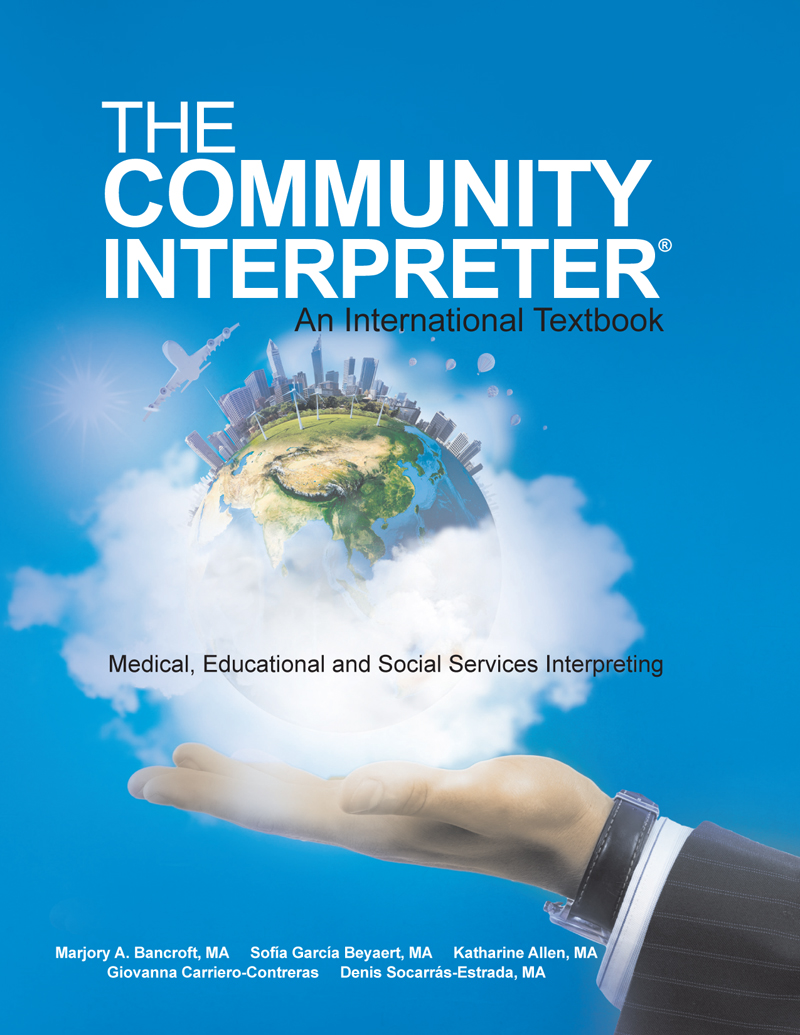
0 reviewsWe're proud to introduce the definitive international textbook for community interpreting.
Intended for use in universities, colleges and basic training programs, the book offers a comprehensive introduction to the profession. The core audience for this text is interpreters and their trainers and educators. While the emphasis is on medical, educational and social services interpreting, legal and faith-based interpreting are also addressed.
An entry-level curriculum, this program can be taught anywhere in the world. It assumes no prior knowledge, yet will enrich and inform interpreters who have practiced in the field for years. Since many countries lack a professional code of ethics, the textbook includes a sample code. While the approach taken targets spoken language interpreting, the book is also useful for sign language interpreters.
The text is written in plain English and visually designed to make the content clear and easy to read, with visual aids to meet the needs of an international audience whose native language may not be English. Divided into five chapters, the book tackles the biggest challenges in the field today.
Chapter 1: Introduction to Community Interpreting
Chapter 2: Interpreting Protocols and Skills
Chapter 3: Strategic Mediation
Chapter 4: Professional Identity
Chapter 5: The Role of the Community Interpreter
Authored by five credentialed specialists in the field, this textbook above all teaches problem solving. It breaks professional skills into basic components and offers simple decision-making tools to help interpreters make on-the-spot judgement calls in daily practice.
A landmark work, this textbook sets the international standard for entry-level interpreter education. It will become a required resource for universities, colleges and private programs that teach medical, educational or social services interpreting.
4.8
8 reviews
4.9
28 reviews
4.8
31 reviews

4.4
39 reviews
4.3
38 reviews
4.5
22 reviews
4.5
33 reviews