
Most ebook files are in PDF format, so you can easily read them using various software such as Foxit Reader or directly on the Google Chrome browser.
Some ebook files are released by publishers in other formats such as .awz, .mobi, .epub, .fb2, etc. You may need to install specific software to read these formats on mobile/PC, such as Calibre.
Please read the tutorial at this link. https://ebooknice.com/page/post?id=faq
We offer FREE conversion to the popular formats you request; however, this may take some time. Therefore, right after payment, please email us, and we will try to provide the service as quickly as possible.
For some exceptional file formats or broken links (if any), please refrain from opening any disputes. Instead, email us first, and we will try to assist within a maximum of 6 hours.
EbookNice Team
Status:
Available4.7
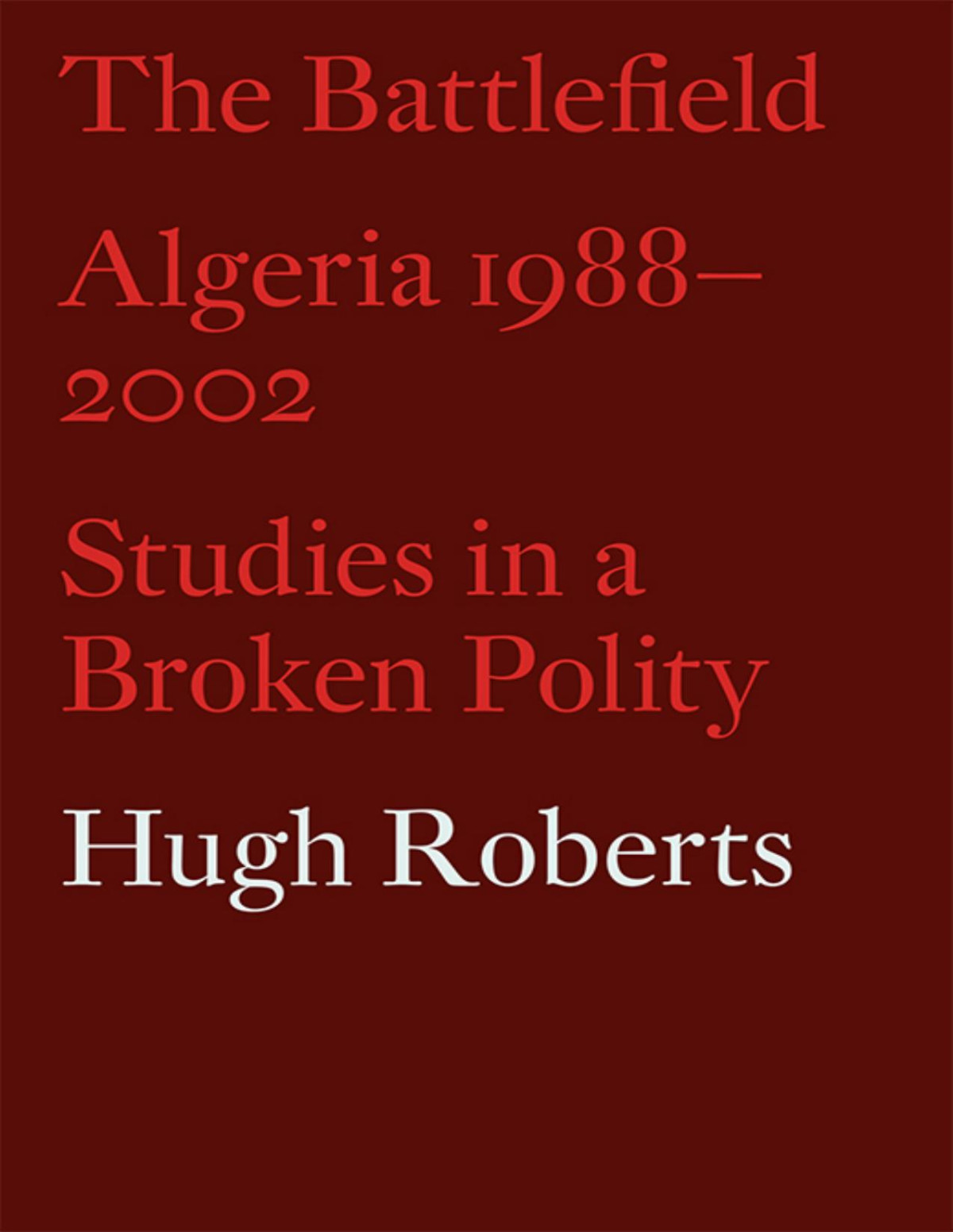
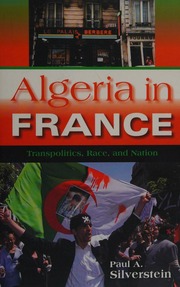
24 reviewsThe violence that has ravaged Algeria has often defied explanation. Regularly invoked in debates about political Islam, transitions to democracy, globalization, and the right of humanitarian interference, Algeria’s tragedy has been reduced to a clash of Islamists vs. a secular state, terrorists vs. innocent civilians, or generals vs. a defenseless society. The prevalence of such simplistic representations has disabled public opinion inside as well as outside the country and contributed to the intractability of the conflict.
This collection of essays offers a radical corrective to Western misconceptions. Rejecting the usual tautological approaches of inherent, predetermined conflict, Hugh Roberts explores the outlook and evolution of the various internal forces as they emerged—the Islamists, the Berberists, the factions within the army, and the regime in general—and he looks at external interests and actors. He explains their strategies and the maneuvers in which they have engaged. The resulting analyses illuminate the startling dynamics of the conflict and the real issues at stake, and identify the implications not only for Algeria but also for this crucial region.
Informed by a deep knowledge of Algeria and Algerian history, these accessible essays guide the reader through the extraordinary politics of the drama in all its complexity.

4.6
18 reviews
4.8
28 reviews
4.6
22 reviews
4.5
18 reviews
4.8
26 reviews