
Most ebook files are in PDF format, so you can easily read them using various software such as Foxit Reader or directly on the Google Chrome browser.
Some ebook files are released by publishers in other formats such as .awz, .mobi, .epub, .fb2, etc. You may need to install specific software to read these formats on mobile/PC, such as Calibre.
Please read the tutorial at this link. https://ebooknice.com/page/post?id=faq
We offer FREE conversion to the popular formats you request; however, this may take some time. Therefore, right after payment, please email us, and we will try to provide the service as quickly as possible.
For some exceptional file formats or broken links (if any), please refrain from opening any disputes. Instead, email us first, and we will try to assist within a maximum of 6 hours.
EbookNice Team
Status:
Available4.6
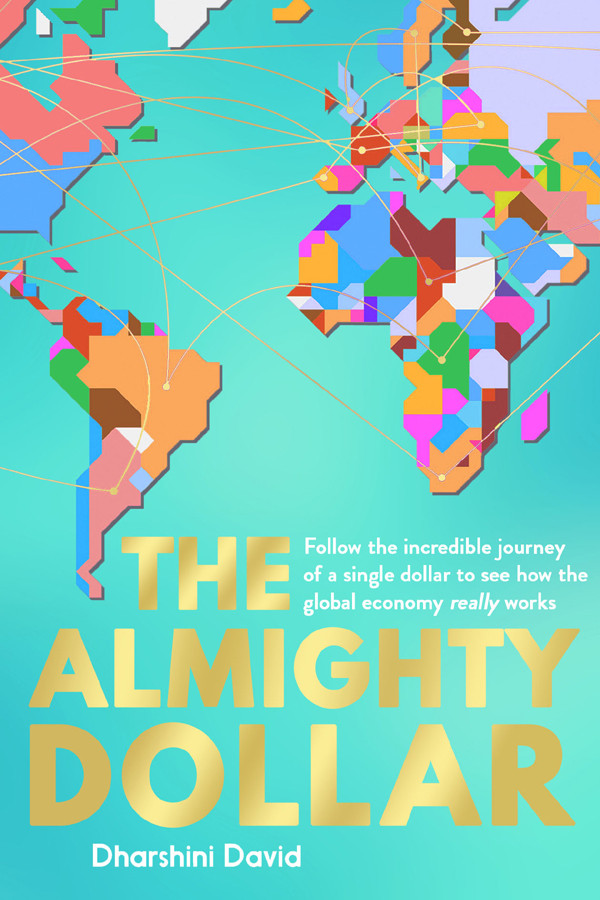
12 reviewsHave you ever wondered why we can afford to buy far more clothes than our grandparents ever could . . . but may be less likely to own a home in which to keep them all? Why your petrol bill can double in a matter of months, but it never falls as fast?
Behind all of this lies economics.
It’s not always easy to grasp the complex forces that are shaping our lives. But by following a dollar on its journey around the globe, we can start to piece it all together.
The dollar is the lifeblood of globalisation. Greenbacks, singles, bucks or dead presidents: call them what you will, they are keeping the global economy going. Half of the notes in circulation are actually outside of the USA – and many of the world’s dollars are owned by China.
But what is really happening as our cash moves around the world every day, and how does it affect our lives? By following $1 from a shopping trip in suburban Texas, via China’s central bank, Nigerian railroads, the oilfields of Iraq and beyond, The Almighty Dollar reveals the economic truths behind what we see on the news every day. Why is China the world’s biggest manufacturer – and the USA its biggest customer? Is free trade really a good thing? Why would a nation build a bridge on the other side of the planet?
In this illuminating read, economist Dharshini David lays bare these complex relationships to get to the heart of how our new globalised world works, showing who really holds the power, and what that means for us all.

4.9
20 reviews
4.7
11 reviews
4.9
25 reviews
4.9
5 reviews
4.5
27 reviews
4.9
5 reviews
4.3
5 reviews