
Most ebook files are in PDF format, so you can easily read them using various software such as Foxit Reader or directly on the Google Chrome browser.
Some ebook files are released by publishers in other formats such as .awz, .mobi, .epub, .fb2, etc. You may need to install specific software to read these formats on mobile/PC, such as Calibre.
Please read the tutorial at this link. https://ebooknice.com/page/post?id=faq
We offer FREE conversion to the popular formats you request; however, this may take some time. Therefore, right after payment, please email us, and we will try to provide the service as quickly as possible.
For some exceptional file formats or broken links (if any), please refrain from opening any disputes. Instead, email us first, and we will try to assist within a maximum of 6 hours.
EbookNice Team
Status:
Available4.9
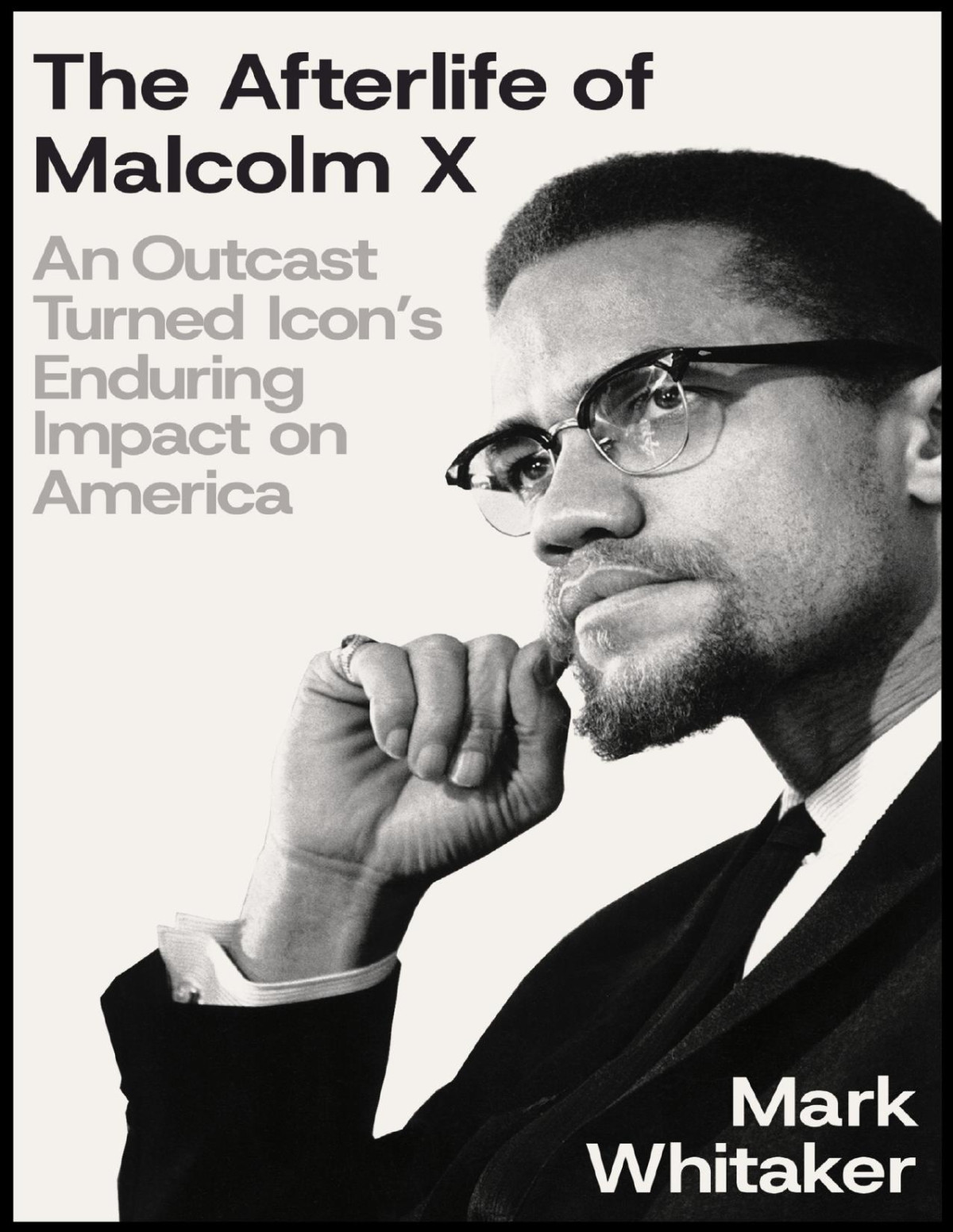
22 reviewsPublished to coincide with the hundredth anniversary of his birth, the first major study of Malcolm X’s influence in the sixty years since his assassination, exploring his enduring impact on culture, politics, and civil rights.
Malcolm X has become as much of an American icon as Abraham Lincoln, John F. Kennedy, or Martin Luther King. But when he was murdered in 1965, he was still seen as a dangerous outsider. White America found him alienating, mainstream African Americans found him divisive, and even his admirers found him bravely radical. Although Ossie Davis famously eulogized Malcolm X as “our own Black shining prince,” he never received the mainstream acceptance toward which he seemed to be striving in his final year. It is more in death than his life that Malcolm’s influence has blossomed and come to leave a deep imprint on the cultural landscape of America.
With impeccable research and original reporting, Mark Whitaker tells the story of Malcolm X’s far-reaching posthumous legacy. It stretches from founders of the Black Power Movement such as Stokely Carmichael and Huey Newton to hip-hop pioneers such as Public Enemy and Tupac Shakur. Leaders of the Black Arts and Free Jazz movements from Amiri Baraka to Maya Angelou, August Wilson, and John Coltrane credited their political awakening to Malcolm, as did some of the most influential athletes of our time, from Muhammad Ali to Kareem Abdul-Jabbar and beyond. Spike’s movie biopic and the Black Lives Matter movement reintroduced Malcolm to subsequent generations. Across the political spectrum, he has been cited as a formative influence by both Barack Obama—who venerated Malcolm’s “unadorned insistence on respect”—and Clarence Thomas, who was drawn to Malcolm’s messages of self-improvement and economic self-help.
In compelling new detail, Whitaker also retraces the long road to exoneration for two men wrongfully convicted of Malcolm’s murder, making The Afterlife of Malcolm X essential reading for anyone interested in true crime, American politics, culture, and history.
4.5
21 reviews
4.4
23 reviews
4.6
26 reviews
5.0
21 reviews
4.7
26 reviews
4.8
5 reviews
4.7
17 reviews
4.8
19 reviews
5.0
36 reviews
4.7
23 reviews