
Most ebook files are in PDF format, so you can easily read them using various software such as Foxit Reader or directly on the Google Chrome browser.
Some ebook files are released by publishers in other formats such as .awz, .mobi, .epub, .fb2, etc. You may need to install specific software to read these formats on mobile/PC, such as Calibre.
Please read the tutorial at this link. https://ebooknice.com/page/post?id=faq
We offer FREE conversion to the popular formats you request; however, this may take some time. Therefore, right after payment, please email us, and we will try to provide the service as quickly as possible.
For some exceptional file formats or broken links (if any), please refrain from opening any disputes. Instead, email us first, and we will try to assist within a maximum of 6 hours.
EbookNice Team
Status:
Available4.9
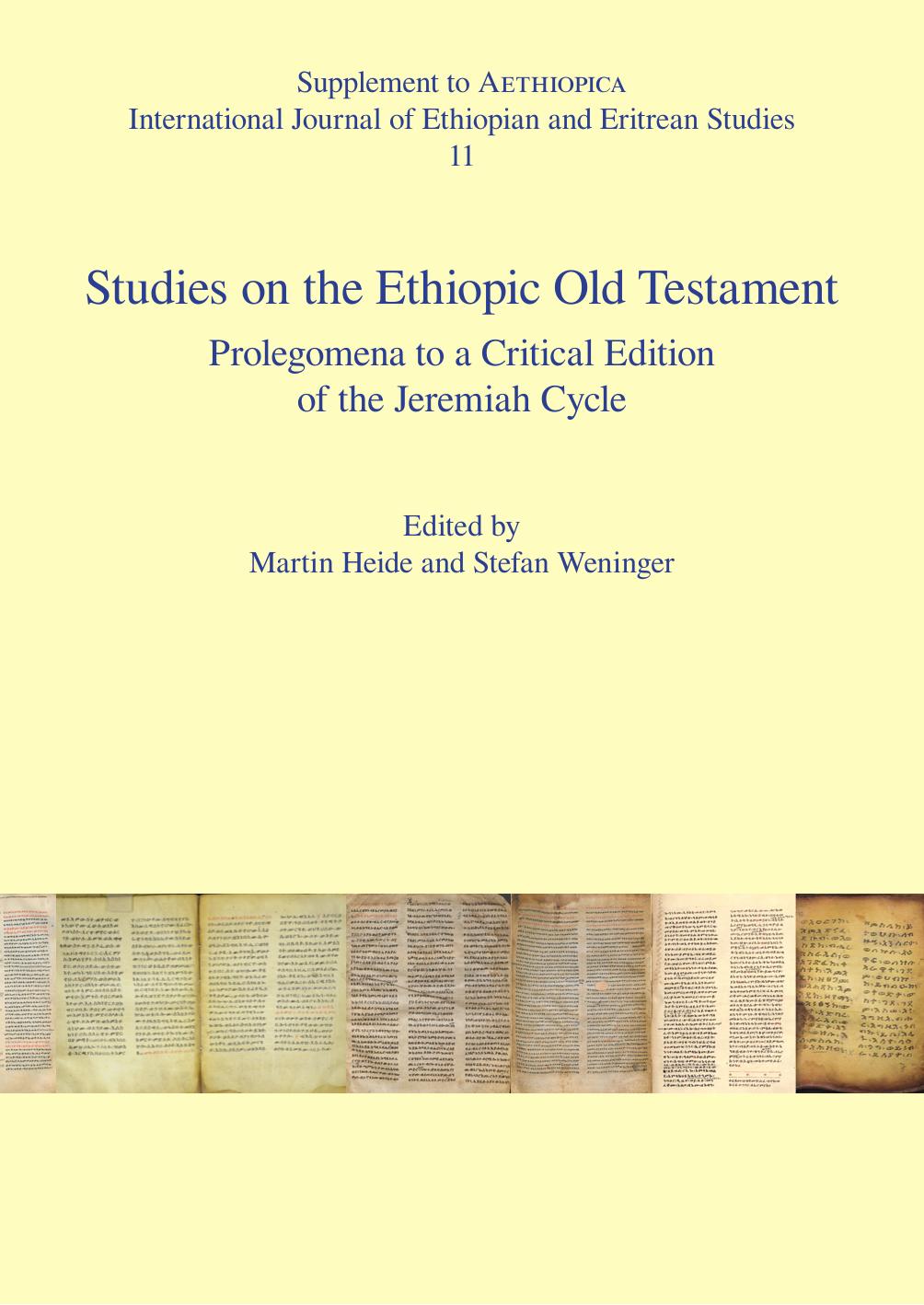
8 reviewsStefan Weninger introduces the reader medias in res, providing a condensed overview of the history of Ethiopic Jeremiah scholarship. Martin Heide’s essay is a sample edition of the Book of Jeremiah based on nearly sixty manuscripts. The data that became available through collation allow to classify the manuscripts and provide first insights into the textual history of the Jeremiah Cycle. Michael Knibb invites the reader to review his experience with the critical edition of the Book of Ezekiel. Furthermore, another essay by him deals with the very intriguing manuscript Leiden Or. 14.692, being probably the earliest Ethiopic manuscript of Ezekiel. Steve Delamarter and Garry Jost introduce the reader to the digital methodology of the Textual History of the Ethiopic Old Testament project, which they apply to a sample chapter of Jeremiah, coming to a similar conclusion – from a different perspective – as Martin Heide. Alessandro Bausi addresses important methodological questions, that is, the status of a reconstruction or whether critical editions of Ethiopic texts should be written in normalized orthography. Finally, Siegfried Kreuzer introduces the reader to an up-to-date view of the textual history of the Septuagint. This enables (and challenges) scholars dealing with textual criticism of Ethiopic Old Testament books to carefully consider the question of the Greek Vorlage.
4.6
32 reviews
5.0
10 reviews
5.0
29 reviews
4.5
12 reviews
5.0
30 reviews