
Most ebook files are in PDF format, so you can easily read them using various software such as Foxit Reader or directly on the Google Chrome browser.
Some ebook files are released by publishers in other formats such as .awz, .mobi, .epub, .fb2, etc. You may need to install specific software to read these formats on mobile/PC, such as Calibre.
Please read the tutorial at this link. https://ebooknice.com/page/post?id=faq
We offer FREE conversion to the popular formats you request; however, this may take some time. Therefore, right after payment, please email us, and we will try to provide the service as quickly as possible.
For some exceptional file formats or broken links (if any), please refrain from opening any disputes. Instead, email us first, and we will try to assist within a maximum of 6 hours.
EbookNice Team
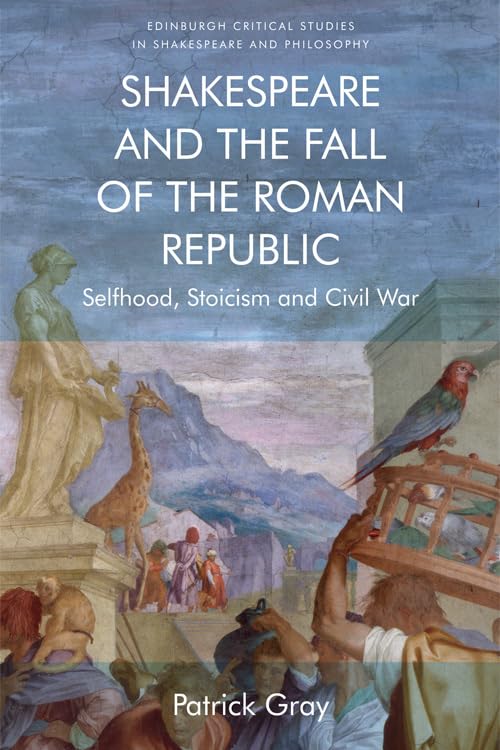
Status:
Available5.0
10 reviewsShakespeare and the Fall of the Roman Republic introduces Shakespeare as a historian of ancient Rome alongside figures such as Sallust, Cicero, St Augustine, Machiavelli, Gibbon, Hegel and Nietzsche. In Julius Caesar and Antony and Cleopatra, Shakespeare shows Rome’s transition from Republic to Empire. Why did Rome degenerate into an autocracy? Alternating between ruthless competition, Stoicism, Epicureanism and self-indulgent fantasies, Rome as Shakespeare sees it is inevitably bound for civil war. Shakespeare and the Fall of the Roman Republic considers Shakespeare’s place in the history of concepts of selfhood and reflects on his sympathy for Christianity, in light of his reception of medieval Biblical drama, as well as his allusions to the New Testament. Shakespeare’s critique of Romanitas anticipates concerns about secularisation, individualism and liberalism shared by philosophers such as Hannah Arendt, Alasdair MacIntyre, Charles Taylor, Michael Sandel and Patrick Deneen.
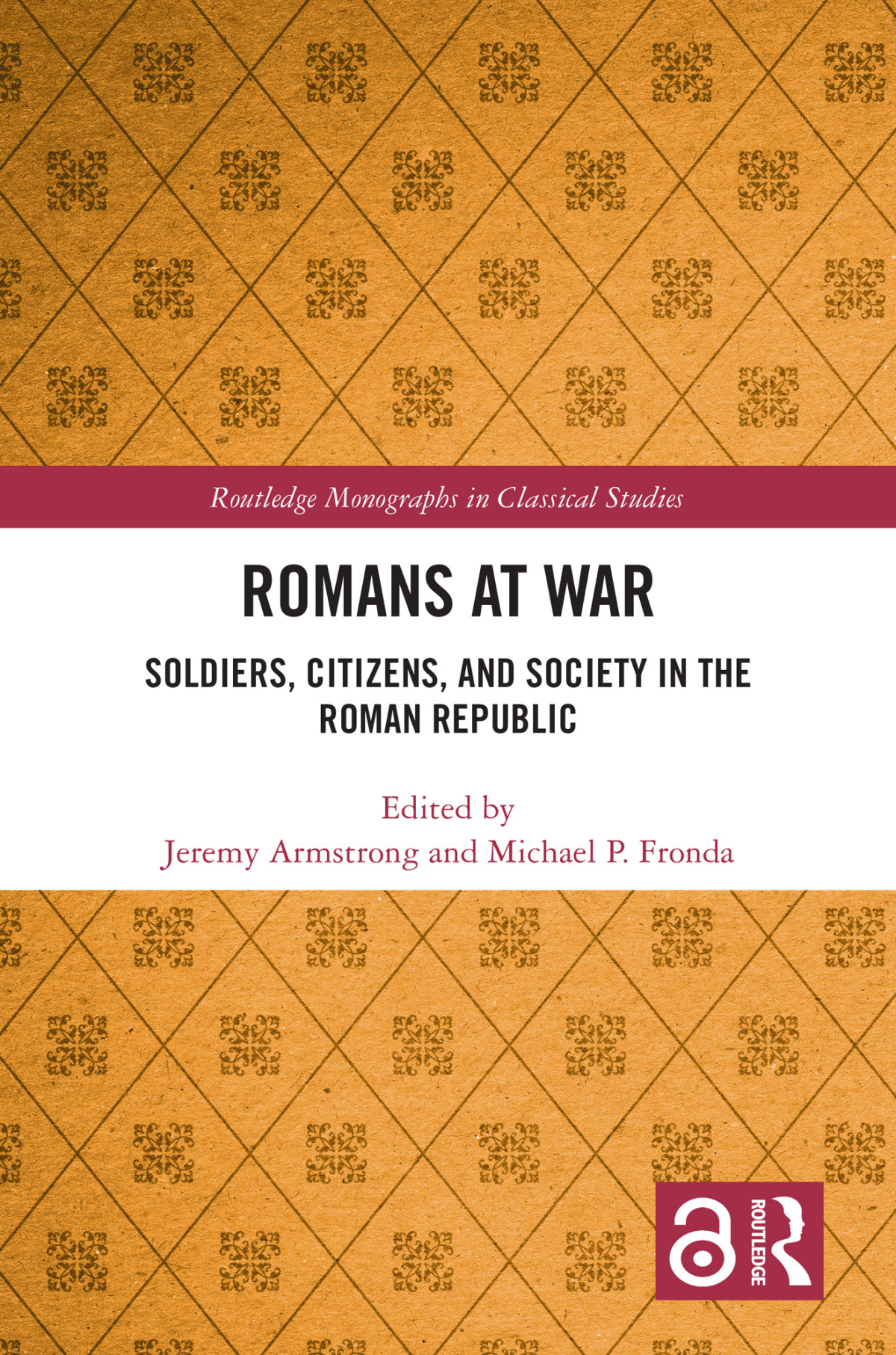
4.6
26 reviews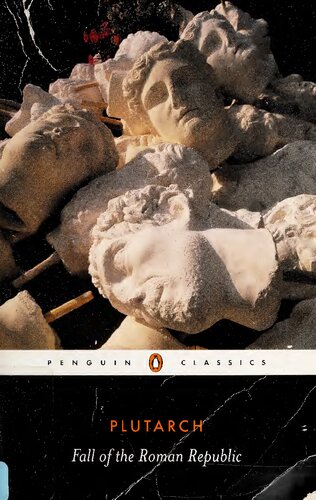
4.6
21 reviews
4.7
18 reviews
5.0
37 reviews
4.5
24 reviews
4.5
22 reviews

4.4
7 reviews
5.0
32 reviews
4.9
31 reviews