logo
Product categories

EbookNice.com

Most ebook files are in PDF format, so you can easily read them using various software such as Foxit Reader or directly on the Google Chrome browser.
Some ebook files are released by publishers in other formats such as .awz, .mobi, .epub, .fb2, etc. You may need to install specific software to read these formats on mobile/PC, such as Calibre.

Please read the tutorial at this link.  https://ebooknice.com/page/post?id=faq


We offer FREE conversion to the popular formats you request; however, this may take some time. Therefore, right after payment, please email us, and we will try to provide the service as quickly as possible.


For some exceptional file formats or broken links (if any), please refrain from opening any disputes. Instead, email us first, and we will try to assist within a maximum of 6 hours.

EbookNice Team
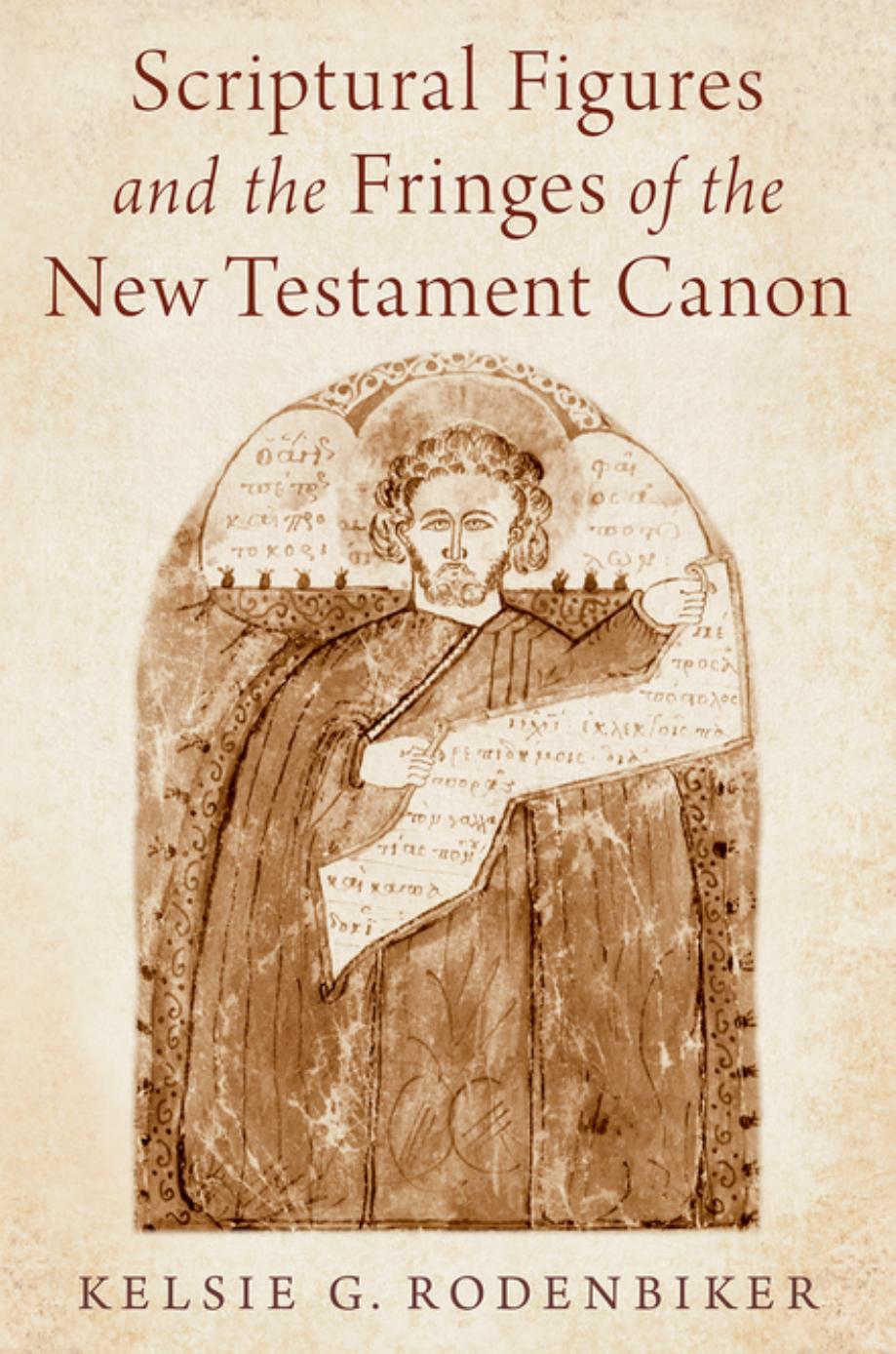
Scriptural Figures and the Fringes of the New Testament Canon by Kelsie G. Rodenbiker ISBN 9780197763292, 0197763294 instant download

  • SKU: EBN-238374480
Zoomable Image
$ 32 $ 40 (-20%)

Status:

Available

0.0

0 reviews
Instant download (eBook) Scriptural Figures and the Fringes of the New Testament Canon after payment.
Authors:Kelsie G. Rodenbiker
Pages:288 pages
Year:2025
Publisher:Oxford University Press
Language:english
File Size:20.71 MB
Format:pdf
ISBNS:9780197763292, 0197763294
Categories: Ebooks

Product desciption

Scriptural Figures and the Fringes of the New Testament Canon by Kelsie G. Rodenbiker ISBN 9780197763292, 0197763294 instant download

In the Catholic Epistles, canonicity and exemplarity are intertwined. Chapter 1 defines the concept of exemplarity as the use of a model-figure as representative of virtue or vice but argues that this can also be extended to the construction of tradition surrounding a pseudonym, concluding that the use of scriptural exempla from the Jewish and Christian scriptural past(s) as both illustrative exempla and authorial figures is compellingly unique. Chapters 2 and 3 address the fraught role of the Catholic Epistles in the formation of the New Testament, emphasizing that pseudonymity was the key factor influencing ancient hesitance around their canonical inclusion. Chapter 2 offers context antecedent to the shaping of a Catholic collection, while Chapter 3 highlights the decisive role of the Catholic Epistles in the dynamic shape of the New Testament well beyond the late fourth century, when it is commonly claimed that the canonical process was complete. Alongside the suspicion of their pseudepigraphal nature, another aspect of the Catholic Epistles that defies common conceptions of a closed Christian canon is the use of exempla from the Jewish scriptural past. Chapters 4 and 5 demonstrate how these exempla not only represent the composite accumulation of tradition in their characterization, but they also reveal links to both now-canonical and paracanonical material, beyond an intracanonical conception of “the New Testament use of the Old Testament.” In the Catholic Epistles, then, scriptural exempla serve as apostolic authorial figures as well as illustrative models, and these exempla contribute to a sense of canonical porousness that cannot be overcome by closure—even a fixed canonical boundary cannot seal off the permeability that results from the tethers between texts that become, for some, “canonical” and those that do not. Scripture
*Free conversion of into popular formats such as PDF, DOCX, DOC, AZW, EPUB, and MOBI after payment.

Related Products