
Most ebook files are in PDF format, so you can easily read them using various software such as Foxit Reader or directly on the Google Chrome browser.
Some ebook files are released by publishers in other formats such as .awz, .mobi, .epub, .fb2, etc. You may need to install specific software to read these formats on mobile/PC, such as Calibre.
Please read the tutorial at this link. https://ebooknice.com/page/post?id=faq
We offer FREE conversion to the popular formats you request; however, this may take some time. Therefore, right after payment, please email us, and we will try to provide the service as quickly as possible.
For some exceptional file formats or broken links (if any), please refrain from opening any disputes. Instead, email us first, and we will try to assist within a maximum of 6 hours.
EbookNice Team
Status:
Available4.4
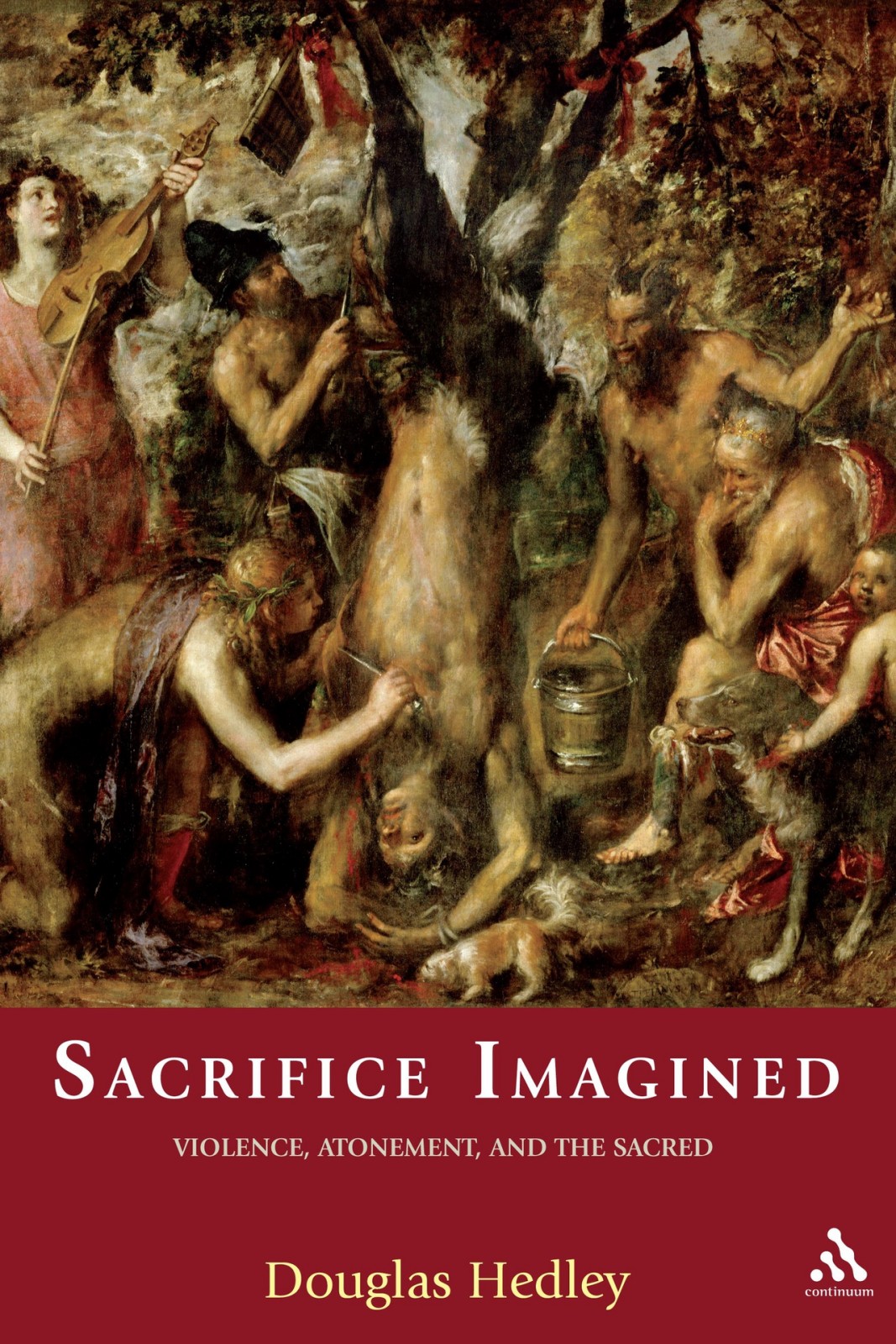
25 reviewsSacrifice Imagined is an original exploration of the idea of sacrifice by one of the world's preeminent philosophers of religion.
Despisers of religion have poured scorn upon the idea of sacrifice as an index of the irrational and wicked in religious practice. Nor does its secularised form seem much more appealing. One need only think of the appalling cult of sacrifice in numerous totalitarian regimes of the twentieth century. Yet sacrifice remains a part of our cultural and intellectual 'imaginary'. Hedley proposes good reasons to think that issues of global conflict and the ecological crisis highlight the continuing relevance of the topic of sacrifice for contemporary culture.
The subject of sacrifice has been decisively influenced by two books: Girard's The Violence and the Sacred and Burkert's Homo Necans. Both of these are theories of sacrifice as violence. Hedley's book challenges both of these highly influential theories and presents a theory of sacrifice as renunciation of the will. His guiding influences in this are the much misunderstood Joseph de Maistre and the Cambridge Platonists.
Review
"In this impressively learned work Douglas Hedley has two related goals both of which challenge contemporary scholarship. The first and more important is to recover the role of sacrifice in the imagination, not as something purely negative but as a path towards human transformation. This he does in part through his second goal: re-establishing the significance of a largely forgotten figure, Joseph de Maistre. Hedley plausibly argues that, so far from being merely a reactionary thinker, de Maistre offers a profound critique of much Enlightenment and modern thought. Rich in insights, the work challenges numerous contemporary orthodoxies in both philosophy and theology, and at the same time succeeds in defending the continuing relevance of the Platonist tradition. " -- David Brown, FBA, Wardlaw Professor of Theology, Aesthetics and Culture, University of St Andre
4.5
41 reviews

4.8
21 reviews
4.5
20 reviews
4.3
38 reviews
4.4
13 reviews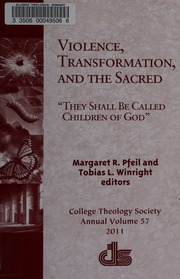
4.8
14 reviews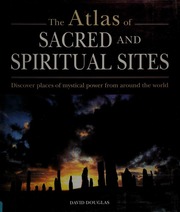
4.8
34 reviews