
Most ebook files are in PDF format, so you can easily read them using various software such as Foxit Reader or directly on the Google Chrome browser.
Some ebook files are released by publishers in other formats such as .awz, .mobi, .epub, .fb2, etc. You may need to install specific software to read these formats on mobile/PC, such as Calibre.
Please read the tutorial at this link. https://ebooknice.com/page/post?id=faq
We offer FREE conversion to the popular formats you request; however, this may take some time. Therefore, right after payment, please email us, and we will try to provide the service as quickly as possible.
For some exceptional file formats or broken links (if any), please refrain from opening any disputes. Instead, email us first, and we will try to assist within a maximum of 6 hours.
EbookNice Team
Status:
Available4.6
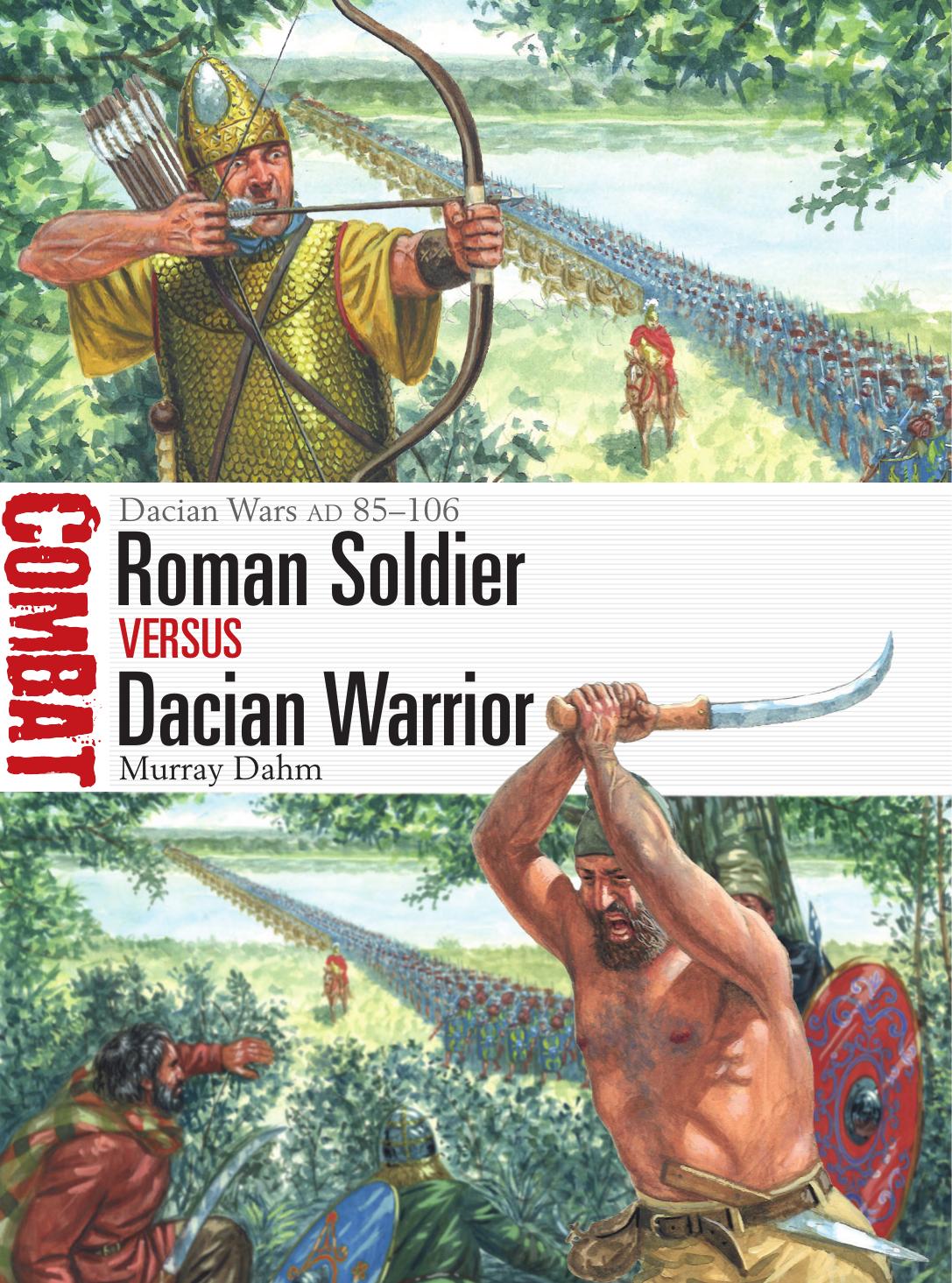
12 reviewsWhile the Roman emperor Trajan's two campaigns against the Dacian people (AD 101–02 and 105–06) are widely known, the earlier conflicts between the Dacians and their Roman neighbours are also important. Drawing upon the latest research and findings, this fully illustrated study investigates the emperor Domitian's Dacian war (AD 86–88) as well as Trajan's campaigns.
Inhabiting an area of Europe from the Tisza River to the Black Sea, the Dacians mounted raids into Roman territory throughout the 1st century AD. In 85 Dacian forces invaded Roman territory; after defeating the invaders, the Roman Army moved into Dacia. Distracted by other crises, Domitian made peace and Dacia became a client kingdom of Rome.
In AD 101, the emperor Trajan launched a pre-emptive strike on Dacia, prompting the Dacians to sue for peace in 102. In 105, Trajan's troops commenced a new campaign; the Romans besieged the Dacian capital, Sarmizegetusa. After the Dacian king committed suicide, a new Roman province of Dacia was established.
Featuring specially commissioned full-colour artwork and mapping, this study pits the might of the Roman Army against the formidable Dacians, showing how the fighting men of both sides adapted their tactics and technologies as the fighting progressed.
4.8
30 reviews
4.3
34 reviews

4.4
34 reviews
4.6
40 reviews
4.6
26 reviews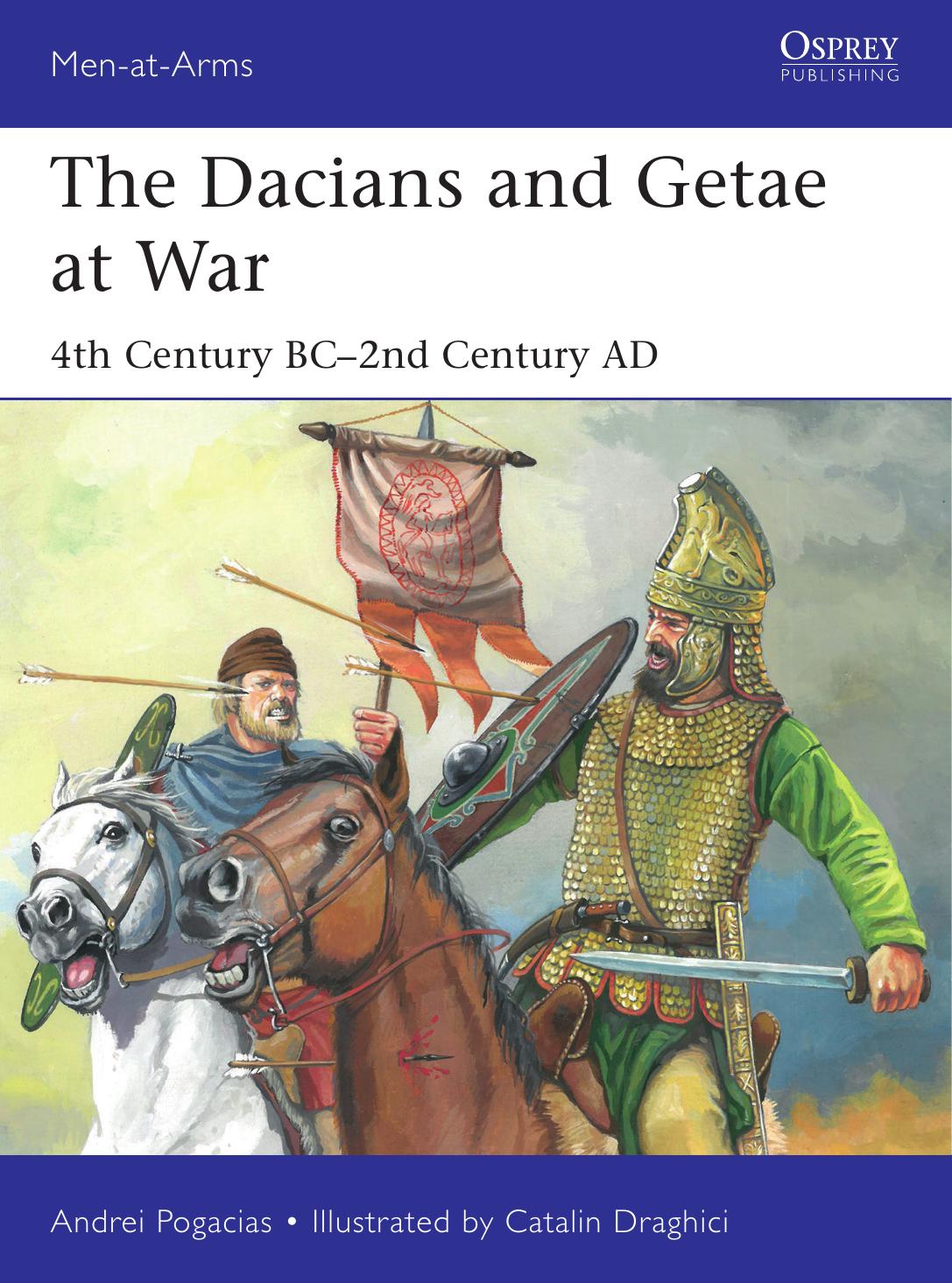
4.5
30 reviews
4.4
40 reviews
4.9
22 reviews