
Most ebook files are in PDF format, so you can easily read them using various software such as Foxit Reader or directly on the Google Chrome browser.
Some ebook files are released by publishers in other formats such as .awz, .mobi, .epub, .fb2, etc. You may need to install specific software to read these formats on mobile/PC, such as Calibre.
Please read the tutorial at this link. https://ebooknice.com/page/post?id=faq
We offer FREE conversion to the popular formats you request; however, this may take some time. Therefore, right after payment, please email us, and we will try to provide the service as quickly as possible.
For some exceptional file formats or broken links (if any), please refrain from opening any disputes. Instead, email us first, and we will try to assist within a maximum of 6 hours.
EbookNice Team
Status:
Available5.0
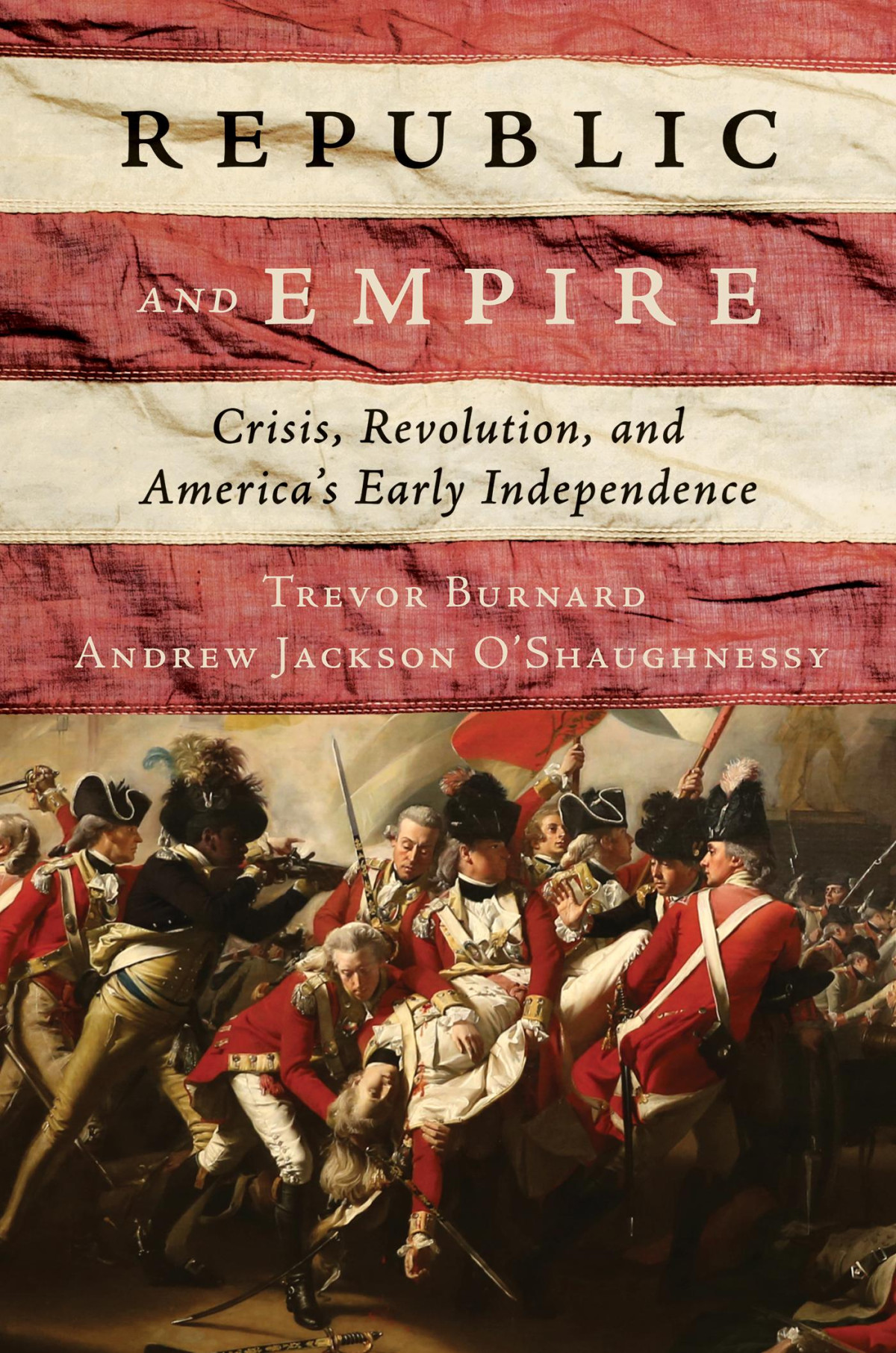
19 reviewsA fresh look at the American Revolution as a major global event. At the time of the American Revolution (1765–83), the British Empire had colonies in India, Africa, the Caribbean, the Pacific, Canada, Ireland, and Gibraltar. The thirteen rebellious American colonies accounted for half of the total number of provinces in the British world in 1776. What of the loyal half? Why did some of Britain’s subjects feel so aggrieved that they wanted to establish a new system of government, while others did not rebel? In this authoritative history, Trevor Burnard and Andrew Jackson O’Shaughnessy show that understanding the long-term causes of the American Revolution requires a global view. As much as it was an event in the history of the United States, the American Revolution was an imperial event produced by the upheavals of managing a far-flung set of imperial possessions during a turbulent period of reform. By looking beyond the familiar borders of the Revolution and considering colonies that did not rebel—Quebec, Nova Scotia, Bermuda, India, the British Caribbean, Senegal, and Ireland—Burnard and O’Shaughnessy go beyond the republican, liberal, and democratic aspects of the emerging American nation, providing a broader history that transcends what we think we know about the Revolution.
4.3
6 reviews
5.0
40 reviews
5.0
8 reviews
4.3
9 reviews
4.6
18 reviews
5.0
32 reviews

4.4
37 reviews