Most ebook files are in PDF format, so you can easily read them using various software such as Foxit Reader or directly on the Google Chrome browser.
Some ebook files are released by publishers in other formats such as .awz, .mobi, .epub, .fb2, etc. You may need to install specific software to read these formats on mobile/PC, such as Calibre.
Please read the tutorial at this link. https://ebooknice.com/page/post?id=faq
We offer FREE conversion to the popular formats you request; however, this may take some time. Therefore, right after payment, please email us, and we will try to provide the service as quickly as possible.
For some exceptional file formats or broken links (if any), please refrain from opening any disputes. Instead, email us first, and we will try to assist within a maximum of 6 hours.
EbookNice Team

Status:
Available0.0
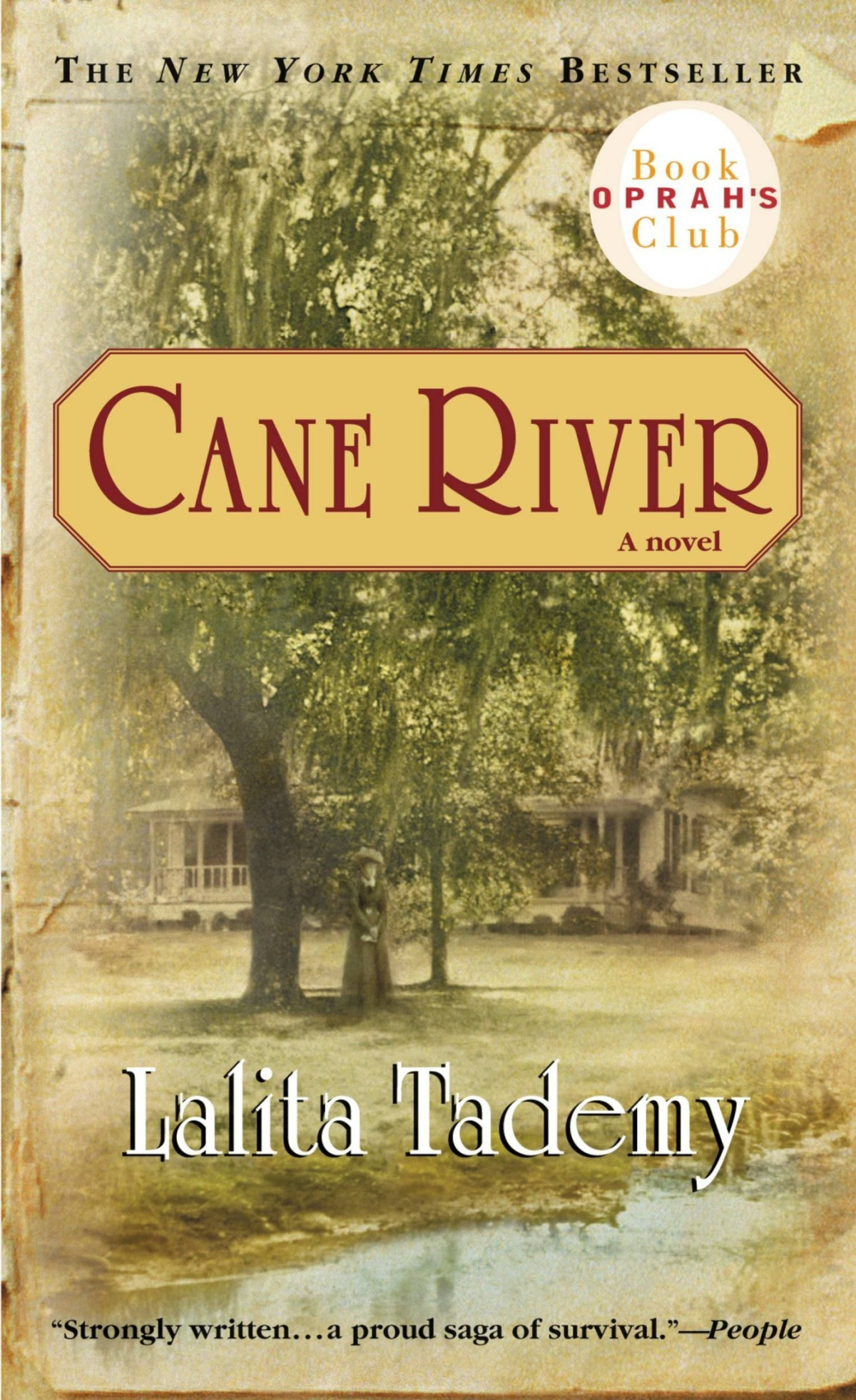
0 reviewsFrom the author of the New York Times bestseller Cane River comes the paperback debut of an epic work of fiction that tells the dramatic, intertwining story of two families and their struggles to make a place for themselves in a country deeply divided in the aftermath of the Civil War.
**
Amazon.com ReviewWhen Cane River was published in 2001, Lalita Tademy established herself as the chronicler of her own family's life, since their arrival here as slaves in the 1800s. Mixing family history, fiction, and fact made the story rich and unforgettable enough that Cane River became an Oprah's Book Club®. Now, with Red River, Tademy has done it again. Writing is a second career for Tademy, who is a former vice-president of Sun Microsystems. She left the corporate world to immerse herself in her family's history--and the history of the south.
In 1873 in the small southern town of Colfax, Louisiana, history tells us there was a riot. The Tademy family knows different. "1873. Wasn't no riot like they say. It was a massacre..." The blacks are newly free, just beginning life under Reconstruction, with all its promises of equity, the right to vote, to own property and, most importantly, to decide their own future as individuals. Federal Government troops are supposed to arrive to protect the rights of the colored people--but they are not yet on the scene.
In one wretched day, white supremacists destroy all the optimism and bright promise by taking Colfax back in an ugly and violent manner. The tragedy begins with the two sides: the white Democrats of Montgomery and the colored and white Republicans of Colfax in the courthouse, finally meeting face to face to discuss their differences. Then, a group of white thugs kills a colored man who was not involved in the courthouse struggle. He was home minding his business and the ugliness came and found him.
The confrontation that follows results in the death of more than 100 black men, killed by white supremacists bent on denying them their voting rights and keeping in office those who uphold the status quo prior to the Civil War. The massacre is only the beginning of Tademy's story. Using reliable sources wherever they may be found, she tells the hard and proud story of Sam Tademy, Israel Smith and their families as they fight their way back from the massacre. They get a foothold in Colfax, finally starting a school, owning land and businesses and becoming full-fledged citizens, as they were meant to be.
Tademy tells part of our history that we would like to forget; she also tells the story of her family, which is a story worth remembering. --Valerie Ryan
From Publishers WeeklyBlending historical fact and fictional narrative, Tademy portrays an endearing generational family saga of her ancestors as they embraced the potential freedoms afforded by Reconstruction and struggled through the backlash of white supremacy in Colfax, La. Despite losing their rights, property and lives, the Tademy family perseveres, carrying a legacy of strength, determination and prosperity to each new generation. Gammy Singer introduces listeners to the story in the brittle yet wise and aged voice of the oldest surviving matriarch, Polly, who witnessed four generations of Tademys from 1873 to 1937. Tim Cain provides the crux of the performance embodying the dynamic members of this family and delivering the narrative in a solemn and deep tone that grips its audience. He remains consistent and distinct with his vocal characterizations while also allowing for some similarity among family members. Inspiring musical interludes announce the end of a CD or the transition of time within the story. Though the abridgment feels evident, listeners don't necessarily feel shortchanged by the production. The author's note read by Tademy at the end also resolves certain questions listeners might have about the story's validity.
Copyright © Reed Business Information, a division of Reed Elsevier Inc. All rights reserved.
4.3
22 reviews
4.5
33 reviews
4.3
11 reviews
5.0
33 reviews


4.9
9 reviews
4.9
18 reviews