
Most ebook files are in PDF format, so you can easily read them using various software such as Foxit Reader or directly on the Google Chrome browser.
Some ebook files are released by publishers in other formats such as .awz, .mobi, .epub, .fb2, etc. You may need to install specific software to read these formats on mobile/PC, such as Calibre.
Please read the tutorial at this link. https://ebooknice.com/page/post?id=faq
We offer FREE conversion to the popular formats you request; however, this may take some time. Therefore, right after payment, please email us, and we will try to provide the service as quickly as possible.
For some exceptional file formats or broken links (if any), please refrain from opening any disputes. Instead, email us first, and we will try to assist within a maximum of 6 hours.
EbookNice Team
Status:
Available4.6
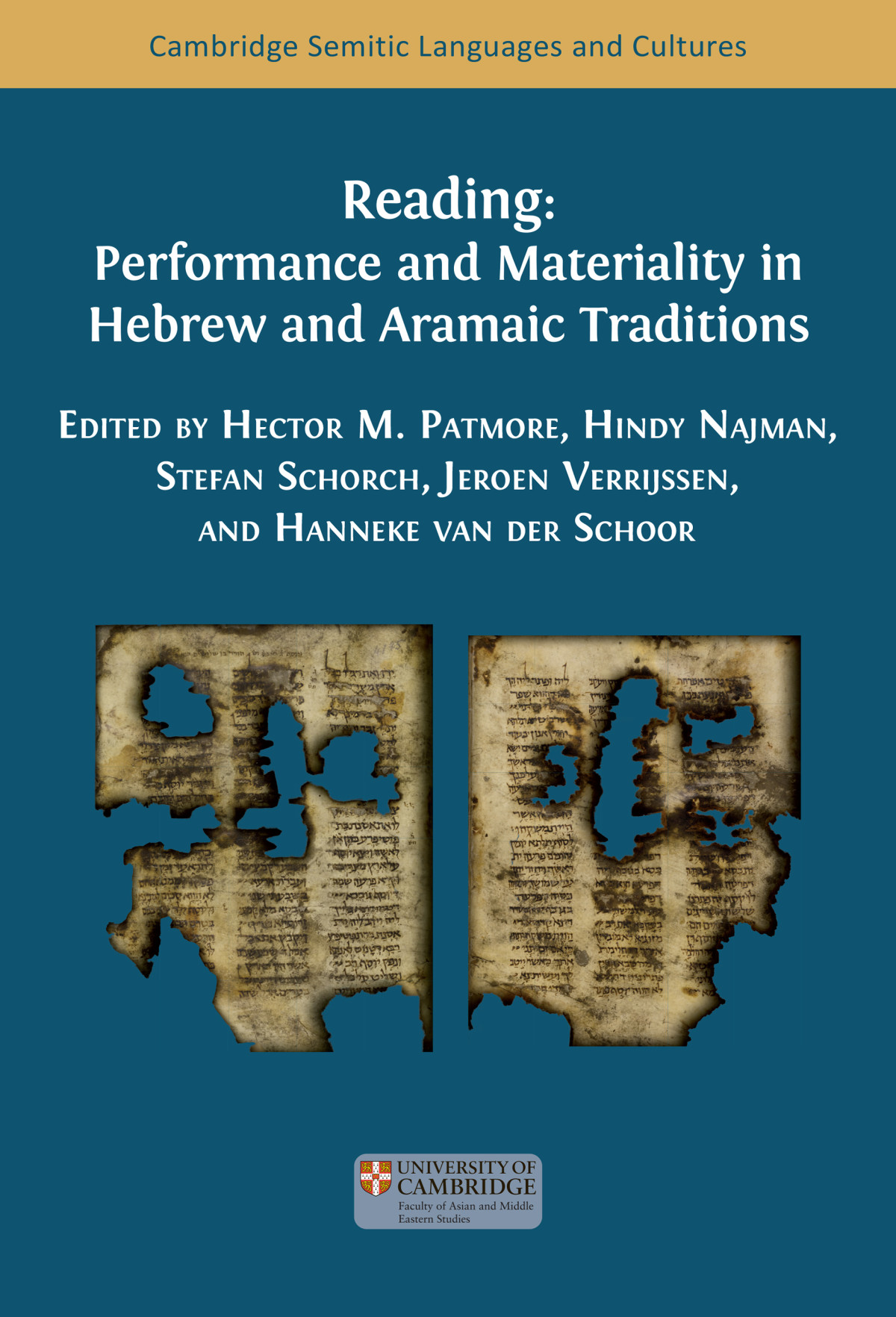
35 reviewsThe aim of the colloquium was to investigate Jewish approaches to the reading of texts, with a focus on reading practices that were applied to Hebrew and Aramaic texts in antiquity and the early Middle Ages. It explored, in particular, how these were shaped by material and non-textual aspects (oral traditions, performative context, philological values, etc). Among the questions it addressed were: How did non-textual components determine reading? To what extent did materiality shape or limit readings? How did reading practices shape the texts themselves? What values guided how texts were modified and variant texts evaluated? What determined which form or version of a text was read and according to what conventions? The responses to these questions collected in this volume highlight the tensions between authority and creativity, preservation and innovation, understanding and misapprehension, knowledge and ignorance, which shaped Jewish practices of reading.

5.0
38 reviews
4.6
10 reviews
5.0
25 reviews
4.5
31 reviews
4.8
19 reviews

4.5
14 reviews
4.7
14 reviews