
Most ebook files are in PDF format, so you can easily read them using various software such as Foxit Reader or directly on the Google Chrome browser.
Some ebook files are released by publishers in other formats such as .awz, .mobi, .epub, .fb2, etc. You may need to install specific software to read these formats on mobile/PC, such as Calibre.
Please read the tutorial at this link. https://ebooknice.com/page/post?id=faq
We offer FREE conversion to the popular formats you request; however, this may take some time. Therefore, right after payment, please email us, and we will try to provide the service as quickly as possible.
For some exceptional file formats or broken links (if any), please refrain from opening any disputes. Instead, email us first, and we will try to assist within a maximum of 6 hours.
EbookNice Team
Status:
Available5.0
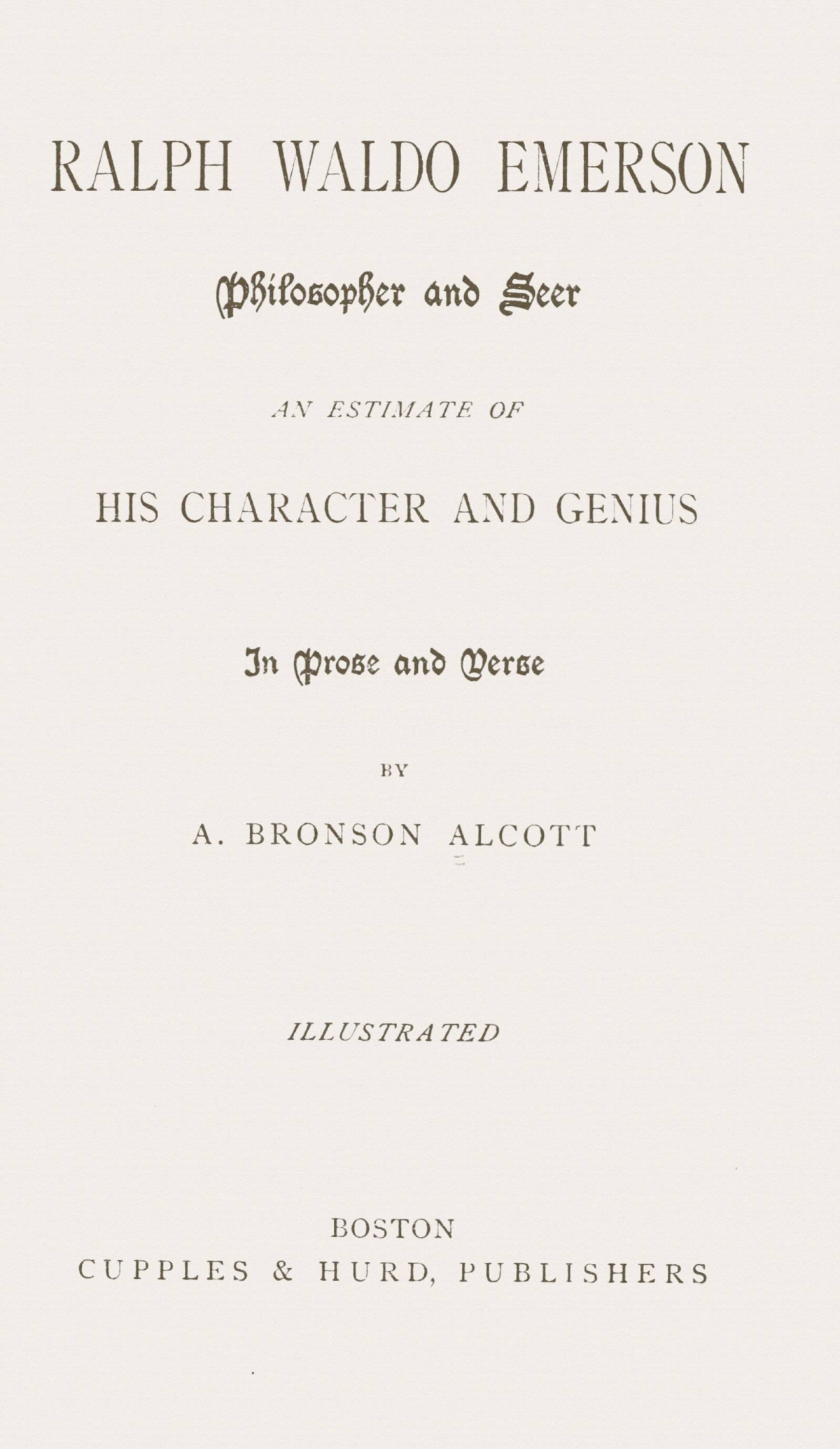
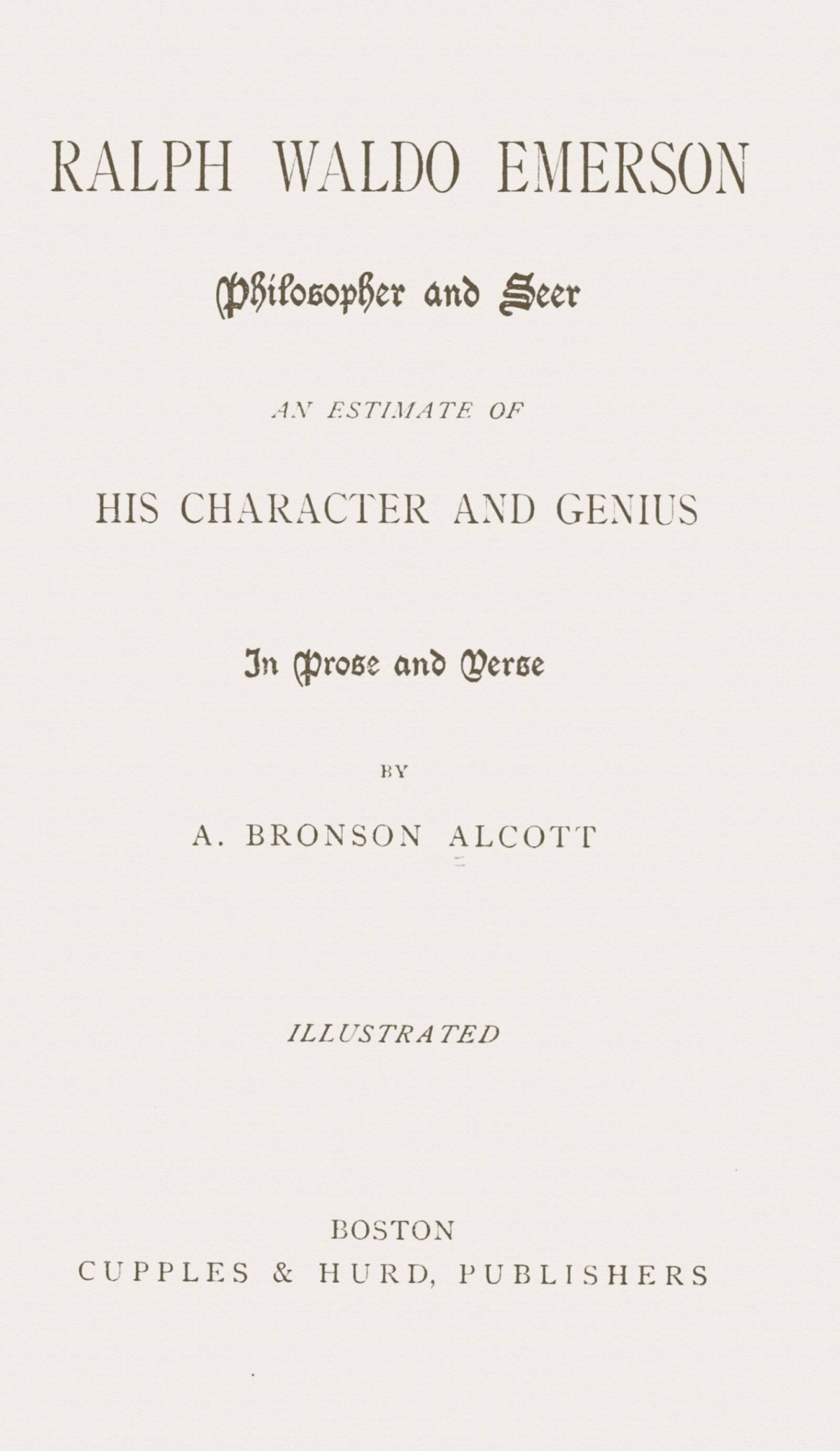
22 reviewsThe publishers have here presented a book about Emerson, written by the one man who stood nearest to him of all men; one from whom he drew inspiration in generous measure, and to whom, in return, he discovered without reserve his inmost self. Such a book cannot fail to be an original and vital contribution to Emersoniana. Not to read it, is to miss a clear and searching exegesis of one whose name has been called the greatest in American literature. It is like a portrait of one of the old masters, painted by his own brush.
The introductory sonnet to Emerson is pitched in a lofty key, and condenses into fourteen pithy lines a statement of the author’s life-long debt of friendship—material and spiritual. The essay itself was written twenty-odd years ago, while Mr. Alcott was still in the full vigor of his intellect. It was privately printed, and presented to Emerson on his birthday. A limited edition was published for the first time in 1882, and readily sold. The revision and reading of the proof-sheets of this edition was the last literary work which Mr. Alcott did, previous to the stroke of paralysis which deprived him of the perfect control of his faculties, and kept him a prisoner in his room ever afterward. It was a work occupying several months, as the octogenarian’s visits to Boston were somewhat infrequent, and often including other business. Such moments as he could give were, of course, valuable; and the publishers, at whose suggestion the work was undertaken, would meet him, now in the topmost story of some lofty building, and now in some dim-lighted basement, where together they would go over the unfinished sheets,—time gliding by for the nonce, all unheeded.
4.6
19 reviews
4.8
7 reviews
4.5
37 reviews
4.7
10 reviews
4.4
36 reviews
4.6
13 reviews
4.5
34 reviews
4.6
31 reviews