
Most ebook files are in PDF format, so you can easily read them using various software such as Foxit Reader or directly on the Google Chrome browser.
Some ebook files are released by publishers in other formats such as .awz, .mobi, .epub, .fb2, etc. You may need to install specific software to read these formats on mobile/PC, such as Calibre.
Please read the tutorial at this link. https://ebooknice.com/page/post?id=faq
We offer FREE conversion to the popular formats you request; however, this may take some time. Therefore, right after payment, please email us, and we will try to provide the service as quickly as possible.
For some exceptional file formats or broken links (if any), please refrain from opening any disputes. Instead, email us first, and we will try to assist within a maximum of 6 hours.
EbookNice Team
Status:
Available0.0
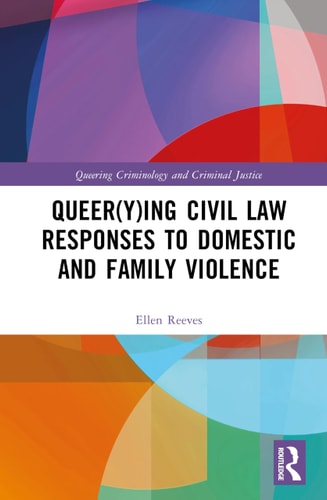
0 reviewsDrawing on data from an Australian study following the experiences of LGBTQ+ victim-survivors of domestic and family violence who engaged with Victoria’s civil protection order system, this book adopts a feminist, queer and trans abolitionist perspective to challenge the assumption that the best response to LGBTQ+ domestic and family violence is a legal one. Problematising responses that fundamentally require increased investment in policing, courts and prisons despite the risks this poses to marginalised individuals and communities, this book centres queer criminology as a framework through which we can situate and critique the rigid victim/perpetrator binaries that are so characteristic of legal responses to violence. This same criminological framework also provides the tools and knowledge needed to envision an alternative, community-oriented response to harm—within and beyond queer communities. In this way, the book presents queer criminology not only as a way of understanding LGBTQ+ experiences, but also as a means for analysing the broader shortcomings of a system that more often exacerbates risk of harm than minimises it.
Queer(y)ing Civil Law Responses to Domestic and Family Violence will be useful for students and scholars of LGBTQ+ violence, as well as a valuable resource for policy makers, legal and specialist practitioners and advocates considering how best to respond to LGBTQ+ domestic and family violence.
4.7
33 reviews
4.6
25 reviews
5.0
37 reviews
4.7
37 reviews
4.8
24 reviews
4.4
18 reviews
4.6
9 reviews
4.5
30 reviews